
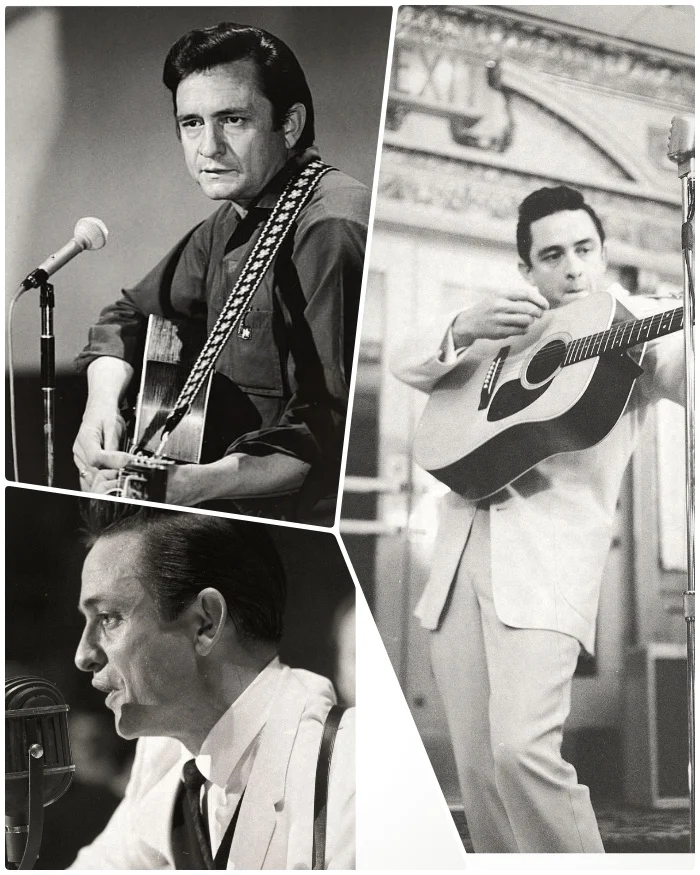
In 1975, a young Prince Charles walked into the Lady Beaverbrook Rink in Fredericton, New Brunswick, not as a reigning monarch, but as a military pilot looking for a simple night of music.
He was twenty-seven years old, stationed nearby at Base Gagetown, and Johnny Cash was performing in town. There was no grand entrance, no velvet rope, and no reserved royal box. He simply bought a ticket at the door like anyone else and joined the crowd inside an arena built for cold air and ice.
The Rink
The venue was a practical community space rather than a grand hall, yet it transformed the moment the Man in Black stepped out with his guitar. Cash was already a legendary voice of the working class, singing about hardship, resilience, and survival. Prince Charles was far from Buckingham Palace, living a remarkably quiet life during his service in Canada and joking about being stationed in the middle of nowhere.
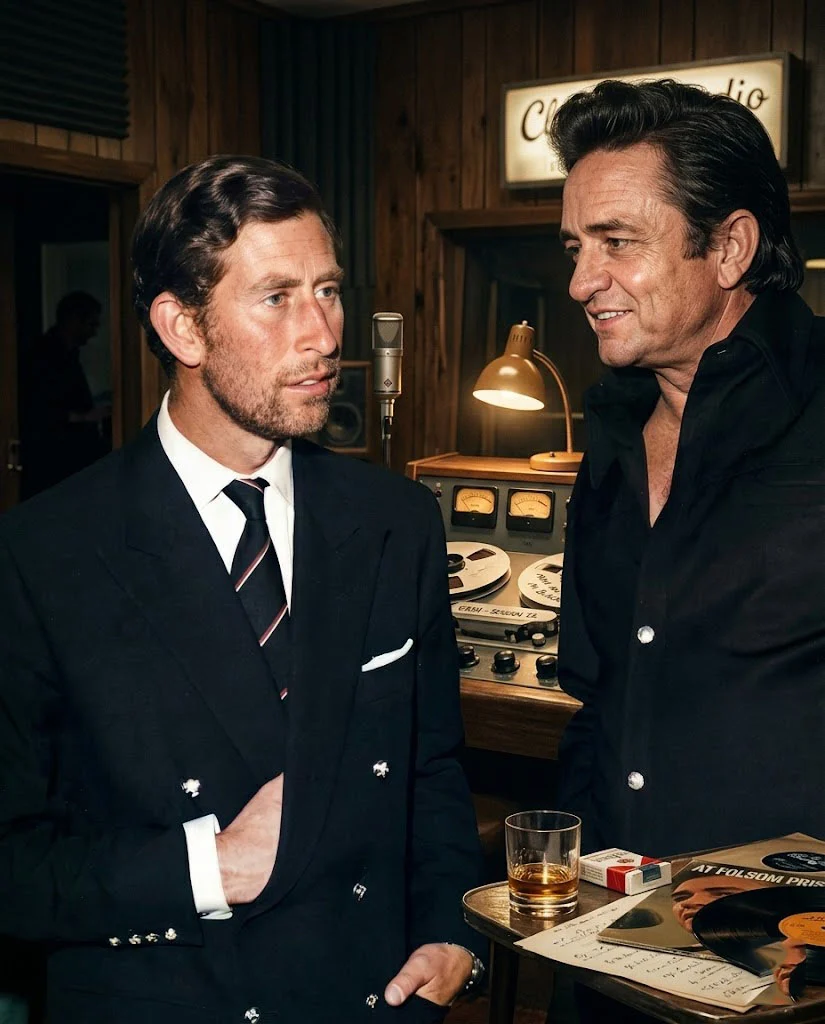
When technical difficulties paused the performance, the young prince slipped backstage. Instead of a polished green room, he found himself inside a plain hockey locker room filled with benches, gear, and the lingering chill of the rink.
For a few minutes, two very different lives stood in the same plain space. One man had been born into duty. The other had sung his way through sorrow, faith, addiction, and American roads.
Decades later, Rosanne Cash brought that forgotten photograph back to light following the coronation of King Charles III, reminding the world of an unexpected intersection between royalty and country music greatness.
History rarely announces itself with trumpets. Sometimes it simply waits beside you in line, shares a quiet moment in a locker room, and leaves behind a single photograph to prove it happened.