
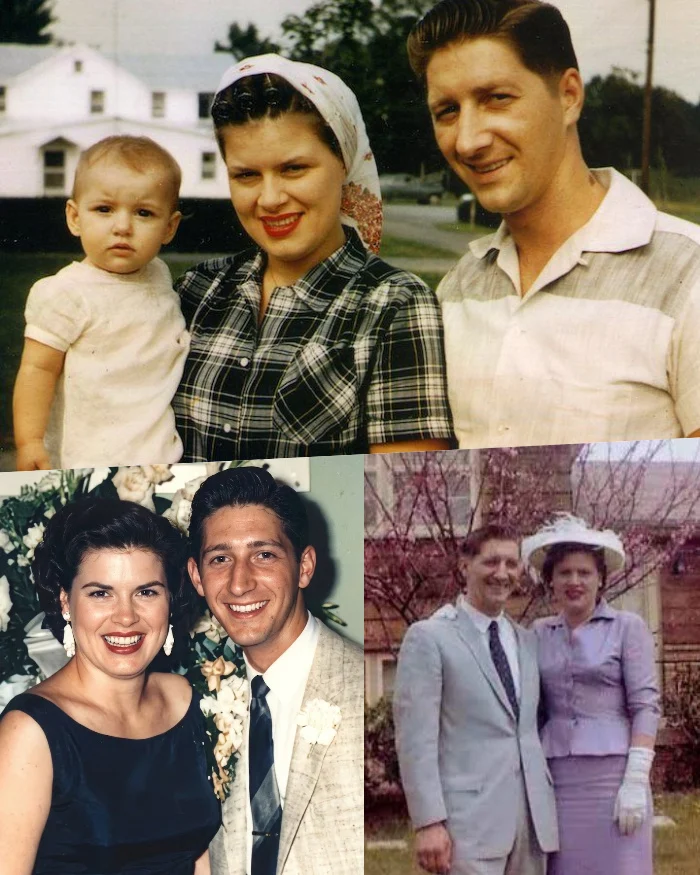
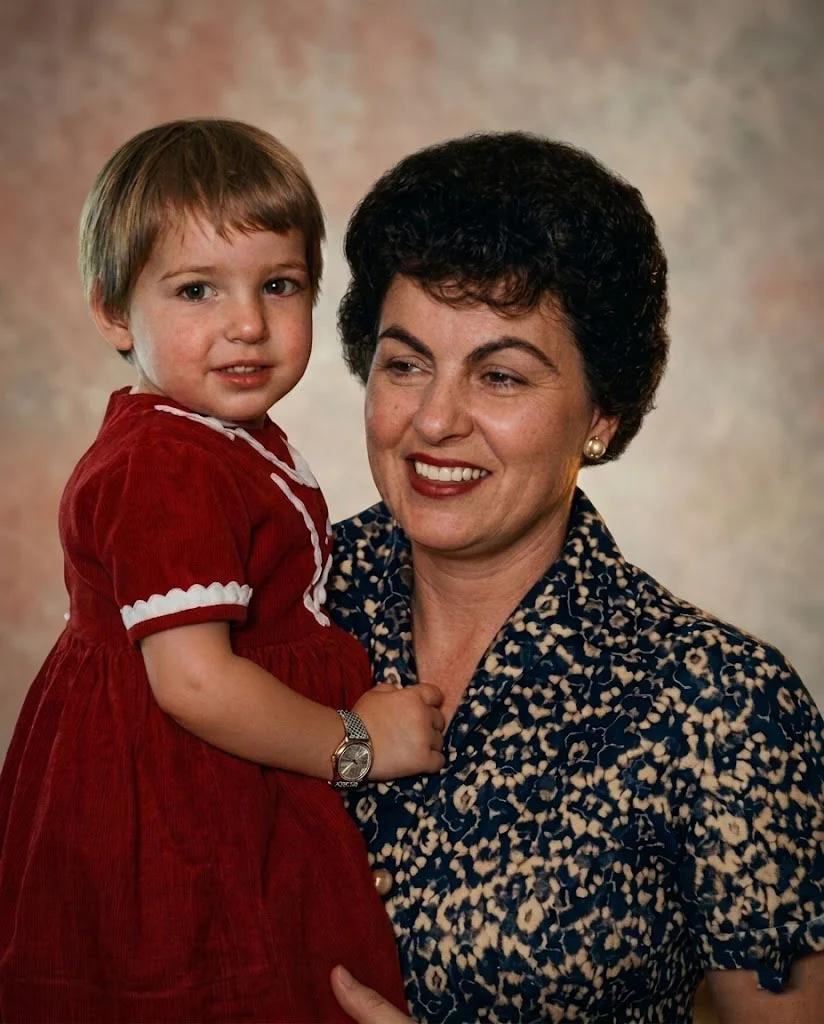
Julie stops in the quiet of the museum she built and lets her fingers rest near the faded stage dress behind glass. The rhinestones look cold. The woman who wore them has been gone for sixty-three years. For the world she was Patsy Cline. For Julie she was simply mother.
In March 1963 a plane went down in freezing rain. Patsy Cline was only thirty years old. Julie was four. At an age when most children are just beginning to understand the world she lost the physical presence of her entire universe.
For the public the tragedy became another chapter in music history. For a little girl it became a permanent dividing line. There were the warm years when her mother was there and the cold years when she was gone. When the loud headlines faded the family was left with a heavy silence.
Millions of fans inherited the timeless ache in Patsy’s recordings. They played her greatest hits on small-town jukeboxes and late-night radio broadcasts. Julie did not get to keep the icon. She inherited a handful of scattered fragile fragments.
When you lose a parent that early memory does not arrive in complete organized chapters. It arrives in brief sensory flashes. She remembered a tired woman quietly sneaking into her dark bedroom after an exhausting stretch on the road. She remembered the rustle of heavy fabric a warm face leaning down in the shadows and a gentle whisper right before sleep.
Today over sixty years later Julie walks slowly through the quiet halls of the museum she painstakingly built from the ground up. She did not dedicate her life to this building simply to honor a famous celebrity. She built it as an act of profound protective stewardship. She needed to anchor what little remained of her mother in a world that already believed it owned her.
She stops in front of a brightly lit display case. Her eyes trace the faded fabric of her mother’s old stage dress. She looks at the intricate stitching and the heavy rhinestones sitting motionless behind the thick glass. She remembers the real breathing woman who wore it and who constantly struggled to balance blinding fame with the simple ordinary needs of two young children.
For the millions of tourists who walk through these doors every year the exhibits are a way to step back into musical history. But for a daughter holding onto a fading past it is something much heavier.
Because the deepest kind of devotion is spending a lifetime protecting the ghost of someone you barely had the chance to know.
She leaves the cold rhinestones behind the glass keeping the only real piece of her mother safely hidden in the quiet corners of her own mind.