
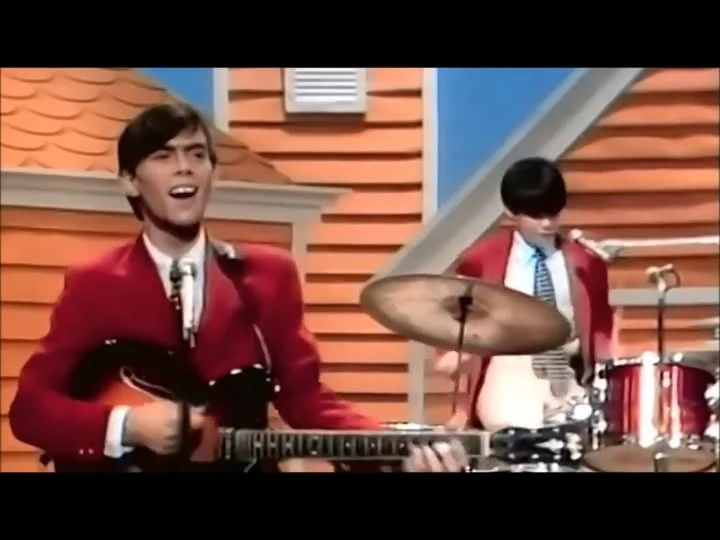
Imagine a sun-drenched afternoon in 1967, when a melody drifts through an open window, carrying with it the scent of fresh rain and the quiet thrill of a chance encounter. That is the magic of The Cowsills and their timeless hit “The Rain, The Park, and Other Things”. Decades later, the song still has the power to stop you mid-step, its gentle harpsichord and airy harmonies wrapping around you like a warm embrace. It is not merely a pop song but a fleeting, beautiful moment preserved in wax and memory.
The story begins with a family band from Rhode Island, four brothers and a sister who found themselves at the heart of the late sixties musical explosion. Their second album, also titled The Cowsills, was released in 1967 and became a vibrant snapshot of an era caught between playful innocence and psychedelic experimentation. While the record was filled with lighthearted, accessible tracks, it was this particular single that truly captured the public imagination, climbing to the number two spot on the Billboard Hot 100 and securing the group a permanent place in pop history.
What makes the song so captivating is its exquisite arrangement, a delicate balance of tradition and innovation. The opening, with its dreamy, harpsichord-like keyboard, immediately sets a stage of whimsy, like the first drop of rain on a sunlit window. Beneath this, a soft rhythm guitar provides a warm, steady foundation, while a melodic bassline weaves effortlessly through the vocals, adding a subtle sense of movement and depth. The true stars, however, are the strings, with violins and cellos swelling in and out of the mix to create an ethereal, almost cinematic atmosphere. A harp glides through certain passages, adding a touch of elegance that feels both magical and effortless.
The piano, though understated, plays a crucial role, its soft accents dancing alongside the strings and voices. The percussion is equally restrained, with gentle cymbal crashes and the occasional tambourine keeping time without ever overpowering the delicate arrangement. Every instrument serves the song’s greater purpose, which is to tell a story of love and serendipity in the most beautiful way possible.
And what a story it is. The lyrics recount a fleeting romantic encounter in a rain-soaked park, a moment of pure, unfiltered wonder. The lines speak of seeing someone and immediately knowing,
“I knew I had to say hello,”
before the chorus celebrates the arrival of the flower girl. It is a narrative of spontaneity and charm, delivered with a vocal performance that is nothing short of extraordinary. The harmonies, sung by multiple family members, create a rich, choral effect that elevates the song from mere pop to pure art.
The influence of “The Rain, The Park, and Other Things” extends far beyond its initial success. It has become a cornerstone of sunshine pop, a genre defined by upbeat melodies, lush arrangements, and an unshakeable optimism. Its appearance in films and television shows has introduced it to new generations, ensuring that its warmth and beauty remain relevant in an ever-changing musical landscape. The song stands as a testament to a period when pop music was not afraid to dream, and when a family band could create something that felt both personal and universal.
For those who find themselves drawn to this sunny, romantic sound, there are other treasures worth exploring. Tracks like “Wouldn’t It Be Nice” by The Beach Boys offer a similar blend of harmony and hope, while “California Dreamin’” by The Mamas & the Papas captures a bittersweet beauty that resonates just as deeply. “Happy Together” by The Turtles brings a playful energy, and “Bus Stop” by The Hollies tells its own love story with chiming guitars and immaculate vocals. “Daydream Believer” by The Monkees rounds out a perfect playlist, its orchestral flourishes and feel-good melody echoing the very best of the era.
Ultimately, “The Rain, The Park, and Other Things” is more than just a song, it is a reminder of a simpler, more magical time. It invites you to pause, close your eyes, and let the music carry you away to that rainy park where anything is possible. With its rich instrumentation, heartfelt lyrics, and unforgettable harmonies, it remains a shining jewel in the crown of sixties pop, and a beautiful legacy for the family who brought it to life.