
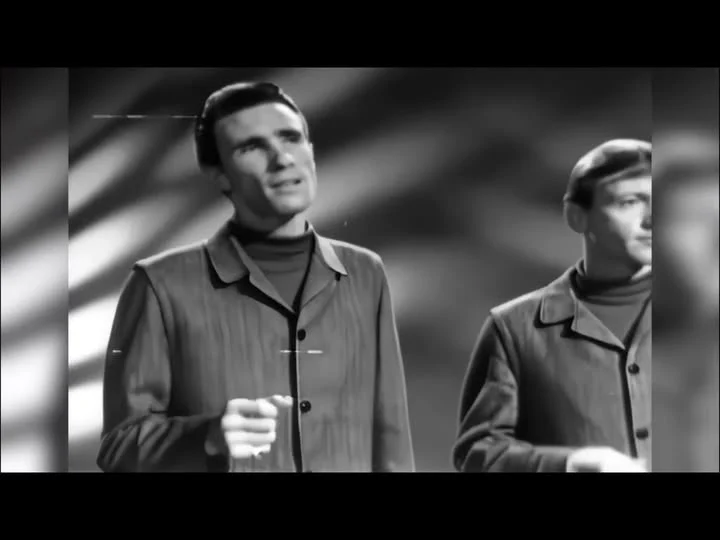
Listen to the opening notes of “You’ve Lost That Lovin’ Feelin’” and you are immediately transported to a place of aching tenderness. The piano’s mournful chords, the deep, almost whispered confession of Bill Medley, and the eventual surge of Bobby Hatfield’s ethereal tenor—this is not merely a song, but a shared pulse of heartbreak that has echoed through generations. When it climbed to number one in 1964, few could have predicted that this would become the most-played song of the 20th century on American radio and television, a testament to its raw, universal power. But what is it about this single moment in music that makes it an eternal masterpiece? The answer lies not just in the lyrics, but in the revolutionary soundscape built around them.
The genius behind the track was producer Phil Spector, who wielded his famed “Wall of Sound” technique to create a sonic cathedral of emotion. Every instrument in “You’ve Lost That Lovin’ Feelin’” serves a dramatic purpose. The arrangement begins with a simple, sorrowful piano line—a heartbeat of regret. Soon, a steady rhythm guitar and bass weave in, anchoring the song while a full string section swells with cinematic precision. Tambourine shimmers like falling rain, and layered backing harmonies rise into a symphonic crescendo that mirrors the lyrics’ desperate climax. This was not just pop music; it was a theatre of the heart, where Spector’s meticulous mixing ensured that every pluck of the guitar and every sweep of the strings felt essential to the story being told.
The emotional weight of the song is carried equally by its lyrics and its vocalists. The opening lines, “You never close your eyes anymore when I kiss your lips,” conjure a vivid portrait of love slipping away. Medley’s deep baritone begins the tale in a somber, confessional tone, as if he is speaking directly to a lover across an empty room. Then Hatfield’s soaring tenor enters, lifting the ache into something sacred. The duo’s chemistry—what the world came to know as blue-eyed soul—turned a simple story of fading affection into an operatic cry. The song’s deliberate pacing allows each emotion to breathe, building slowly toward a climactic release that feels both cathartic and devastating.
This iconic track was the cornerstone of the album You’ve Lost That Lovin’ Feelin’, released in 1965. The album itself stands as a definitive example of Spector’s production artistry, blending rhythm and blues with pop elegance. Beyond the title track, it includes treasures like “Soul and Inspiration” and “Just Once in My Life,” each showcasing the duo’s vocal prowess and their ability to mine deep emotional truths. The album’s cohesion is remarkable: every song feels part of a larger story about love, loss, and longing, wrapped in a rich orchestral blanket that defined an era of pop production.
The cultural footprint of this song is immense. It has been covered by artists ranging from Hall & Oates to Dionne Warwick, each reinterpretation paying homage to its timeless structure. Its use in films like Top Gun introduced it to audiences who had not yet been born when it first charted, proving that true artistry transcends time. Critics consistently rank it among the greatest recordings ever made, and for good reason. It is a masterclass in how to blend expert production with heartfelt songwriting to create something that feels both personal and universal.
“You’ve Lost That Lovin’ Feelin’” is far more than just a hit single; it’s a masterful piece of music that blends expert production, poignant lyrics, and unforgettable vocal performances.”
For those whose hearts have been captured by this song, the journey does not end here. Similar masterpieces await exploration. “Unchained Melody” by The Righteous Brothers delivers the same soaring emotional range. “When a Man Loves a Woman” by Percy Sledge offers raw soul in a similar vein. “Stand By Me” by Ben E. King shares the Wall of Sound influence, while “Crying” by Roy Orbison pairs heart-wrenching lyrics with a powerful vocal arc. Each of these tracks shares the emotional gravity and rich instrumental layering that make “You’ve Lost That Lovin’ Feelin’” such a compelling listening experience.
Whether you are revisiting this classic for the hundredth time or discovering it anew, the song promises a listening journey that is as profound today as it was over half a century ago. From the tender notes of the piano to the passionate strums of the guitar, every element is purposefully placed, creating a moving sonic experience that reminds us why some music never fades.