
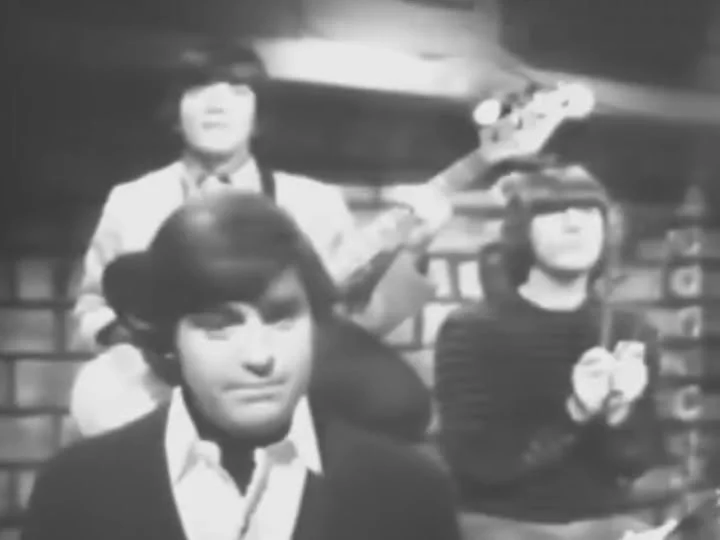
The sound hit like a wave crashing on a California shore. A jangling twelve string guitar cut through the summer heat of 1965, carrying a voice that was sweet, wounded, and utterly determined. When Howard Kaylan sang It ain t me babe with his band The Turtles, he was not just covering a Bob Dylan song. He was announcing a new kind of American pop, one that could take a poet s private journal entry and turn it into a radio ready confession for the masses.
The British Invasion had already shaken the foundation of US music. Surf rock and hot rod anthems felt suddenly shallow. Bands scrambled to sound literate, intellectual, and emotionally complex. Into that frantic moment stepped a group of young musicians from Los Angeles, many still in their teens, who needed parental permission to sign their first record contract. Their debut single was a risk, a cover of a Dylan acoustic track from 1964. But they transformed it into something that felt urgent, electric, and entirely their own.
The Turtles version of It Ain t Me Babe became the debut release for the fledgling White Whale label in July 1965. The band s debut album followed in October, taking its name from the single. The song climbed into the upper reaches of the US Top 10, giving these young musicians the momentum they would need for later global hits like Happy Together. But back in 1965, this track was more than a chart success. It was a mission statement.
It Ain t Me Babe is the perfect cultural artifact of 1965. The American popular imagination taking hold of high art protest and dressing it in a shiny new folk rock suit.
The recording itself is a masterclass in mid sixties arrangement. The Rickenbacker guitar chimes with a treble heavy insistence that had been practically invented by The Byrds just months earlier. But The Turtles made the sound their own. The rhythm section pushes forward with a tight, punchy energy that Dylan s acoustic original only hinted at. Producer Bones Howe along with Lee Lasseff and Ted Feigin captured a crystalline clarity that still rewards listeners with quality audio equipment today. There are no unnecessary orchestral flourishes. Just the pure reverberant sound of a band finding its voice.
The vocal performance is where the track truly soars. Kaylan s lead is a blend of sweetness and defensive conviction. He does not sneer or mock. He simply states a painful truth. The harmonies behind him are lush and close miked, a clean collegiate blend that recalls the sophisticated sound of The Zombies. When the famous refrain arrives, it feels less like a breakup and more like a necessary act of self preservation.
This song has a way of finding people at the right moment. A young guitar student struggling with the weight of others expectations once told me she heard her own story in that chorus. The verse carries an almost apologetic resignation, but the harmonized declaration of It ain t me babe gave her permission to set boundaries. It sounds like a love song falling apart but it is really about refusing to carry someone else s fantasy.
A writer friend who grew up on the Dylan original felt betrayed by the cover until he realized its necessity. The acoustic version is the private note whispered in a journal. The Turtles version is the public broadcast, the shouted declaration that everyone can hear. It is the difference between thinking about limits and actually living them out loud.
The Turtles debut single also reveals the seeds of their later pop genius. The clean separation of instruments, the dedication to vocal clarity, the relentless pursuit of an unforgettable hook. Critics at the time sometimes dismissed them as second tier Byrds but this track proves otherwise. They took the dense profound material of the folk revival and translated it for a mass audience using the electric language of the moment. They were not pioneers of the sound but they were exceptionally skilled translators. They delivered a folk rock smash that was pure uncomplicated California sunshine, a lighter more agile counterpart to the heavier sound of Greenwich Village.
For anyone wanting to explore the world that birthed this song, a few tracks offer context. The Byrds Mr Tambourine Man sets the template for the jangle guitar sound. The Beau Brummels Laugh Laugh shows another American band pioneering the same territory with strong harmonies. The Zombies She s Not There provides the sophisticated arrangement that inspired The Turtles. Simon and Garfunkel I Am a Rock shares the theme of emotional self sufficiency with a more reflective touch. The Grass Roots Where Were You When I Needed You captures the same harmonically rich folk rock sound that filled Los Angeles at the time. And finally Bob Dylan s original 1964 acoustic version of It Ain t Me Babe stands as the necessary comparison, revealing just how much transformation the Turtles achieved.
This piece of music demands more than a casual listen. It invites a deep appreciative rewind. It captures a moment when American pop music learned to wear its heart on its sleeve and still keep its feet moving to the beat.