
If I’m a fool for leaving, I’m a bigger fool for staying
There is a moment in every love story when staying and leaving feel equally impossible. That fragile place between doubt and devotion is where Gene Watson and Michele Voan Capps meet in the tender ballad If I’m a Fool for Leaving. The song arrives as part of Watson’s acclaimed album A Taste of the Truth, a 2009 release that pays homage to the purest forms of country music.
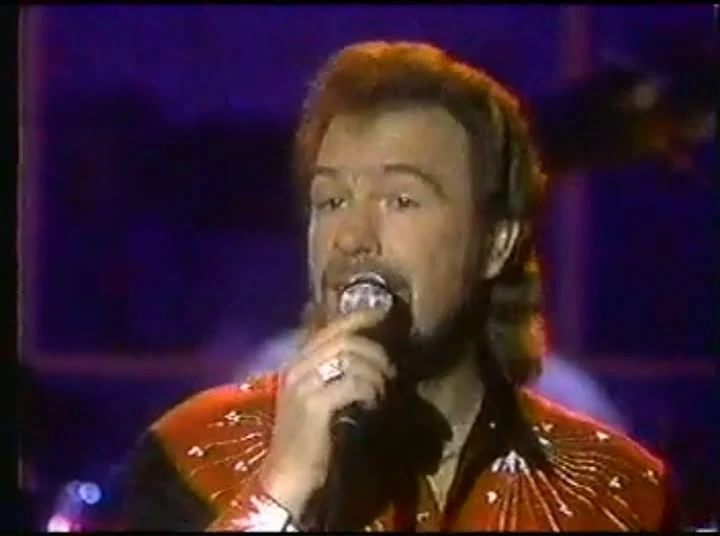
Watson has never chased trends. His voice has always belonged to the timeless school of country performers, where every syllable carries weight and every song tells a truth. For more than five decades, he has given voice to the joys and sorrows of everyday life, becoming a trusted companion for those who find comfort in honest melodies.
The album itself is a homecoming of sorts. Each track unfolds with a deep commitment to traditional values, touching on love, loss, and redemption. The record could have been released decades ago and still felt at home, yet its sound remains remarkably fresh. It is this combination of respect for the past and vitality in the present that makes A Taste of the Truth so compelling.
The musical arrangement in If I’m a Fool for Leaving is a study in gentle mastery. A fingerpicked acoustic guitar opens with quiet reflection, setting the stage for an intimate conversation. A soft piano soon weaves through the verse, adding warmth and sophistication. Then the steel guitar arrives, its sliding notes evoking a wistful ache that words alone cannot capture. Each note is placed with intention, creating a sense of space that lets the emotional lyrics breathe. These instruments do not compete with the voices, instead they create a tender embrace around every line.
The chemistry between Watson and Capps is nothing short of remarkable. Watson brings a rich and velvety depth, grounded in years of experience. Capps responds with a delicate clarity that balances the weight of his tone. Their voices move together with a natural ease, as if they have shared these feelings for a lifetime. The duet format gives the story two sides, two perspectives on the same broken road, and that added dimension makes the heartache feel even more real.
At the center of the song is a line that cuts straight to the heart. Watson sings about being a fool either way, calling himself a fool for leaving and a bigger fool for staying. It is a thought most listeners have faced in their own way, a moment of paralyzing regret where every choice seems to promise pain. The writing refuses to offer easy resolutions, which is exactly what makes it so honest.
This release stands as a shining example of what country music can achieve when it stays true to its roots. In a time when the genre often drifts toward pop flourishes, Watson remains an unshakable anchor. The simplicity of the instrumentation and the honesty of the performance make this duet a masterclass in emotional storytelling. It does not rely on spectacle or loud production. It trusts the song and the singers, and that trust pays off in every note.
For those inspired by this song, a handful of classic recordings offer similar comfort. George Jones captured heartbreak in He Stopped Loving Her Today, a mournful ballad that many consider the finest country song ever written. Jones once again explored the complexities of love with Tammy Wynette on Golden Ring, a duet for the ages. Ray Price offered a softer farewell in For the Good Times, while Eddy Arnold shaped longing into elegance with Make the World Go Away. Each of these tracks shares the same reverence for authentic emotion and musical restraint.
If I’m a Fool for Leaving is more than a song, it is a reflection of the heart’s most difficult decisions. Watson and Capps have delivered a timeless performance that honors the tradition of country music while speaking directly to the soul. For anyone seeking music that heals and connects, this collaboration is an essential listen. Take the time to close your eyes and let the voices carry you into that fragile space between what we hold on to and what we let go.