
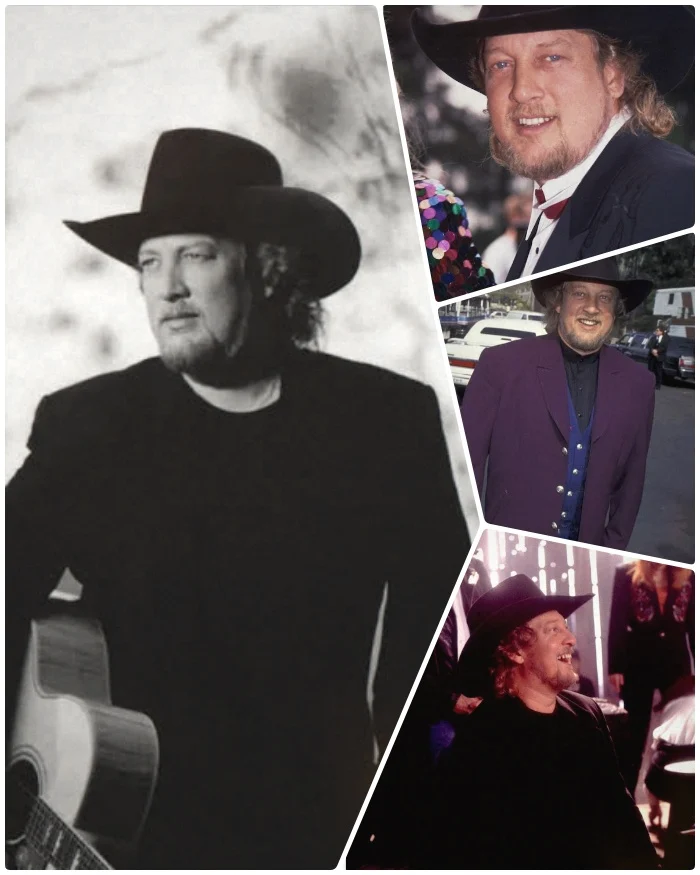
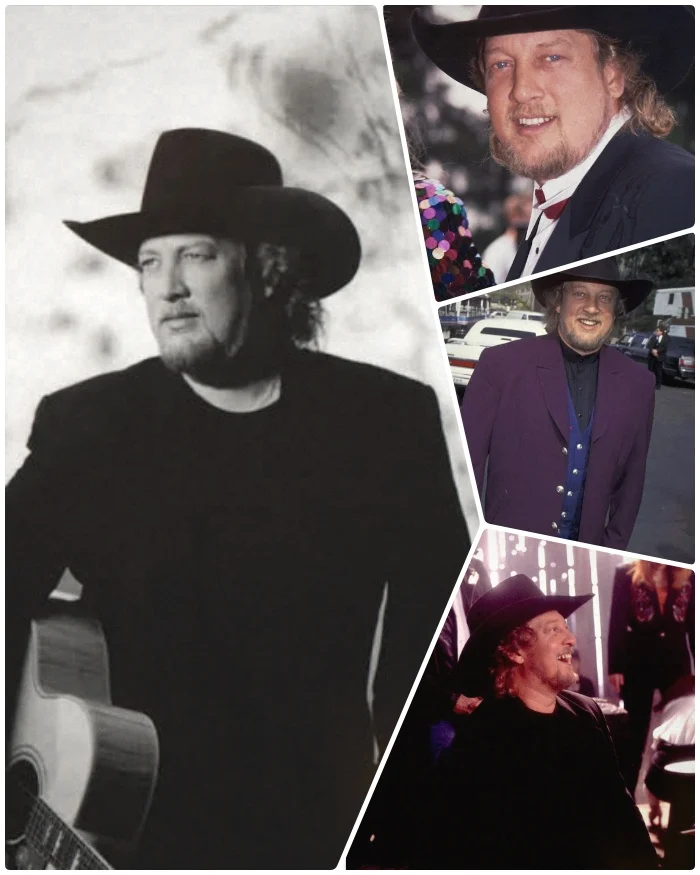
When a raw Florida growl suddenly surged back to number one in late 1991, the shockwave rolled through Nashville like a thunderclap. Programmers who had spent five years ignoring John Anderson could no longer pretend he was gone, and fans who had never stopped believing felt their faith rewarded in a single unforgettable moment.
Just five years earlier, the story had looked painfully different. In 1986, Warner Bros. parted ways with Anderson after a run of falling sales, just as Music Row was racing toward sleek pop polish. His unvarnished honky tonk phrasing and rough Florida twang suddenly sounded out of step to radio gatekeepers who treated tradition as something belonging to yesterday.
What followed was a long stretch in the wilderness. Anderson moved through brief label deals and played smaller rooms and small town club dates while executives urged him to soften his delivery and fit the new formulas. Still in his early thirties, he was already being spoken about as if he were a museum piece, even as financial pressure mounted around him. He refused to bend.
His turning point arrived in 1991 when veteran drummer and producer James Stroud took charge at the young BNA Records label. Stroud heard what others had missed. Anderson’s vocal power was fully intact. What he needed was modern sonic muscle that could carry his grit without erasing it.
Winning support was not easy. Label executives were deeply skeptical and doubted that listeners would welcome back a singer whose commercial peak seemed nearly a decade in the past. Stroud answered by putting his own reputation on the line and promising to marry Anderson’s traditional soul to fresh contemporary energy while protecting the very identity that made him unique.
Inside the studio, Stroud built an elite team of seasoned Nashville session players around that promise. The driving acoustic guitar of Billy Joe Walker Jr. and the expressive fiddle of Rob Hajacos helped anchor a sound that was bold, rootsy and alive. Rather than smoothing Anderson out, the rhythm section leaned straight into his phrasing and gave his signature growl the space to hit with full force.
Anderson, now in his mid thirties, committed completely to his instincts. Among the songs cut were Straight Tequila Night, a sharp and infectious barroom anthem, and Seminole Wind, a haunting and driving song he had written about the fragile marshlands of his home state. Together they balanced sharp realism with rich Southern atmosphere and proved that storytelling still mattered.
The industry had declared him finished, but Anderson simply waited until the music came back around to him.
When Straight Tequila Night reached radio in late 1991, the response was immediate. The song marched to number one on the Billboard country charts and reignited a career that many had written off almost overnight. The full album followed in 1992 and went on to earn double platinum certification with sales of more than two million copies, along with a string of major hits.
The comeback earned major recognition at the Country Music Association Awards, where the record picked up nominations for Album of the Year and Single of the Year. Yet the deeper victory went beyond sales and trophies. By holding firm through five lean years, Anderson showed a new generation of performers that honest roots do not expire simply because fashion changes.
He had bet everything on who he was instead of chasing what was popular, and that gamble reshaped his legacy. In an industry built on trends, Anderson proved that authenticity, patience and a voice that refuses to be polished away can still cut through louder than anything else.