
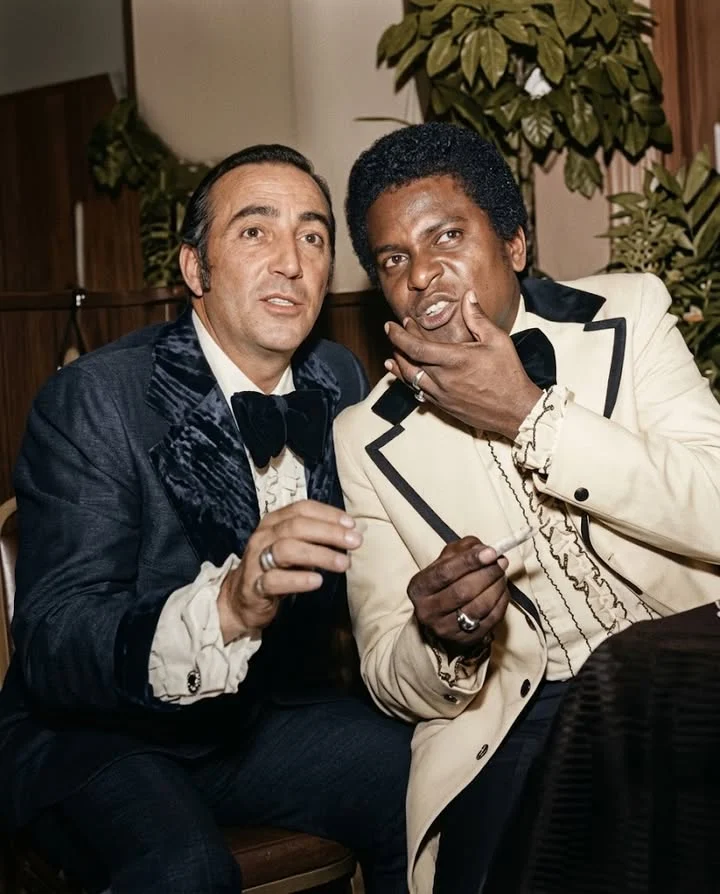
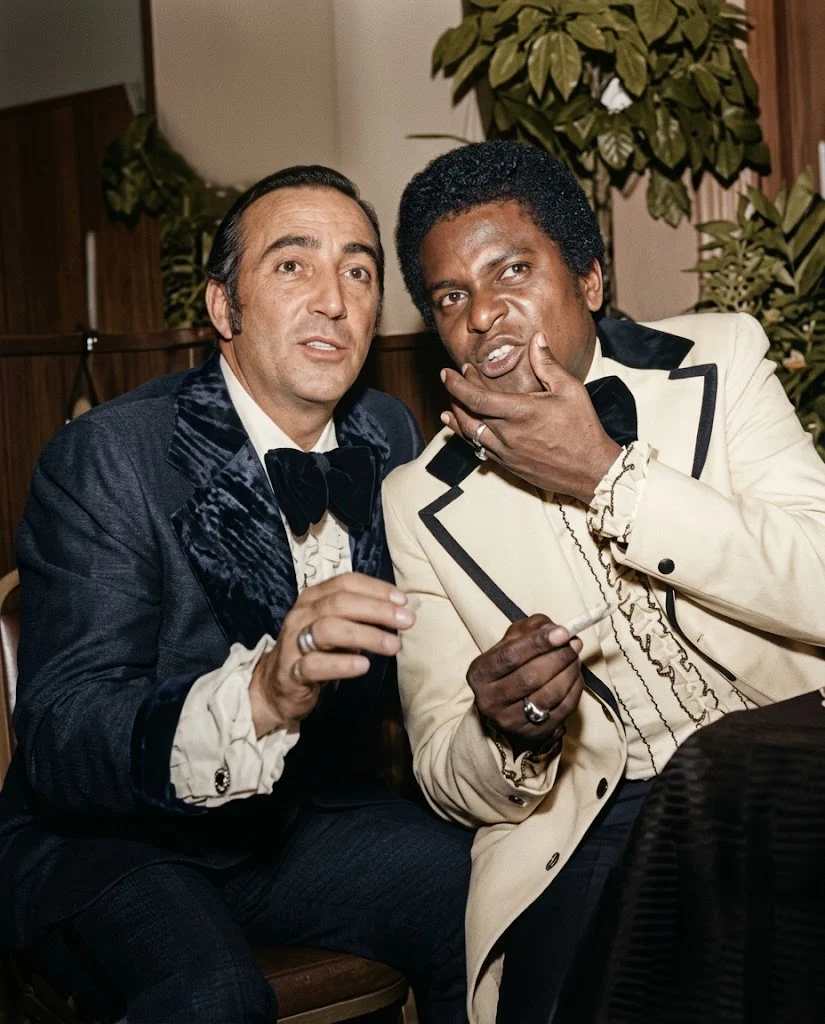
Detroit Olympic Stadium in 1966. Ten thousand white fans settled into their seats expecting a standard night of country hits. When the announcer called out the next act, the arena fell into a stunned and absolute silence. Charley Pride walked toward the microphone. He was a Black man from Mississippi stepping onto a stage that deeply segregated audiences were not prepared to accept.
He broke the tension with a dry joke about his permanent tan and launched into his set. Within moments the crowd gave him a standing ovation so loud it drowned out the speakers. It was a victory for an incredible voice. But that voice almost never got the chance to be heard.
Earlier that year, RCA Victor had made a deliberate choice. They mailed Pride’s debut single, The Snakes Crawl at Night, to country radio stations in plain paper sleeves. No photograph. No biography. Just the music. The idea was simple. Let the traditional honky-tonk baritone win over program directors before anyone focused on the singer’s race.
The strategy worked. Program directors spun the record. Listeners called stations asking to hear it again. The song began climbing regional charts. But when the time came for live appearances and promotional pushes, the reality of the deeply segregated American South crashed into the momentum. Several stations quietly moved to pull the record from their playlists.
This is where Faron Young entered the story. Young was a Grand Ole Opry headliner at the peak of his commercial power. He built his reputation on a sharp tongue and an even sharper ability to read the business. He recognized what Pride’s voice represented for the genre. He refused to watch industry fear extinguish it.
Young reached out to the station managers threatening to drop the newcomer. He delivered a blunt ultimatum.
If you remove Charley Pride’s music from your rotation, you lose my entire catalog forever.
For stations depending on Young’s hits to drive their advertising revenue, it was an unsustainable threat. Pride’s single stayed on the air.
Young did not stop there. He brought Pride out on package tours across the country. On those early dates, Young stood beside the newcomer, introducing him to audiences until the crowd’s hesitation broke into applause. Pride also found a powerful ally in Ernest Tubb, who invited him onto his legendary midnight radio show and further cemented his reputation within the traditional country establishment.
Through the late 1960s, Pride did not simply persist. He dominated. He scored twenty-nine number-one country hits. He became RCA Victor’s best-selling artist since Elvis Presley. He earned a Grand Ole Opry induction and a permanent place in the Country Music Hall of Fame.
The doors of Nashville opened because Charley Pride possessed an undeniable talent. But those doors swung wide that season because Faron Young chose to gamble his own commercial standing to keep them unlocked. The voice in the plain sleeve won in the end. It had a little help from a colleague who refused to stay quiet.