
Sometimes the greatest defiance is simply making the world love you before it remembers it was taught to hate you.
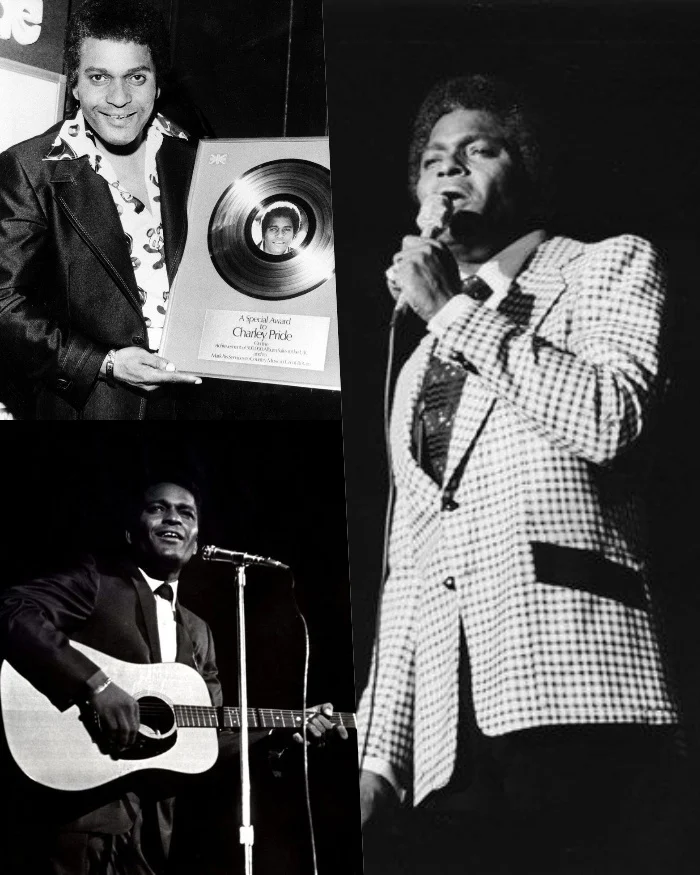
When RCA Records signed Charley Pride in 1965, fear shaped the rollout. His photograph was pulled from every press kit and record sleeve mailed to stations across America, because executives dreaded that white listeners would turn away from a Black man singing their beloved music.
It was an erasure without precedent in country music, and he met it without raising his voice.
Long before Nashville, there was only Delta dust. Pride grew up in Sledge, Mississippi, the fourth of eleven children raised by sharecroppers. Money was scarce and dreaming time scarcer, yet each night a crackling battery powered radio carried Hank Williams and Roy Acuff into their little home, and he treasured every note.
Even as a boy he grasped the hard truth of the 1950s South. Churches, diners and even the songs on the airwaves were split by color. Country belonged to white America, or so everyone insisted, and Black artists were told to stay in their lane. Pride kept singing anyway.
After years chasing a baseball dream, his voice at last carried him to Nashville. The talent was undeniable, but the business was not ready. So his early discs were shipped blind, and disc jockeys presented him as one more country boy from the heartland. The gamble worked. Crowds felt the ache in his delivery long before they learned the color of his skin, and by the time the truth came out, they had already given him their hearts.
The Sound of Belonging
Then arrived 1970 and a tune called (Is Anybody Goin to) San Antone. On its face it was a modest story, a weary traveler thumbing a ride through the rain on a lonesome highway, asking nothing of anyone.
He did not answer prejudice with fury, but with the calm worth of a man sure of his own value.
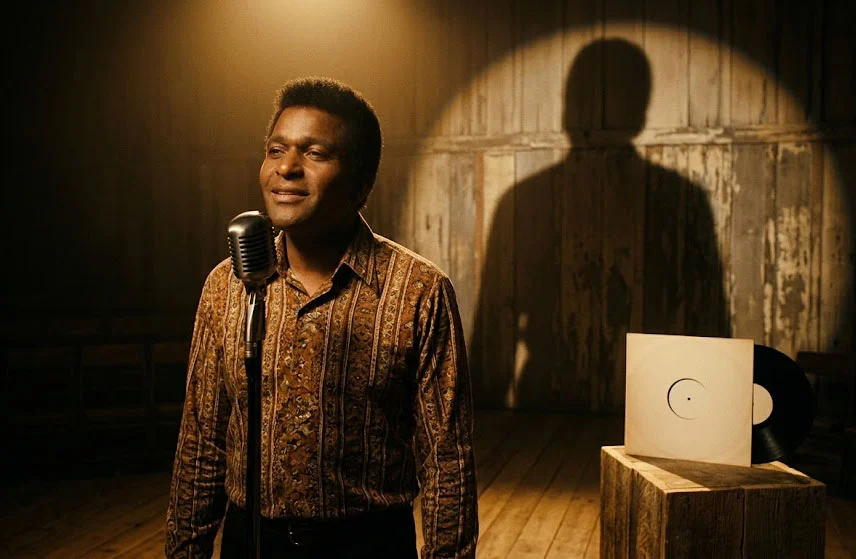
Beneath the melody, though, Pride was singing his own life. He knew the rain soaked wait for a place to belong. He knew rooms that fell silent when he entered. When he sang of finding home at the far end of Route 66, it was no invention. It was a quiet plea from a stage that had tried to keep him unseen.
The Unseen Revolution
That single grew into his third straight No. 1 hit. There was no hiding anymore. Fans raised to believe a Black man could never belong in their world were now spinning his records and humming along at the kitchen table. He was no experiment now. He was a trailblazer who pushed open the heaviest door in Nashville simply by holding his ground, one song after another, until the honesty in his voice could not be denied.
The most powerful revolutions do not always announce themselves. Sometimes they arrive quietly, on a lonely highway, in the rain.