
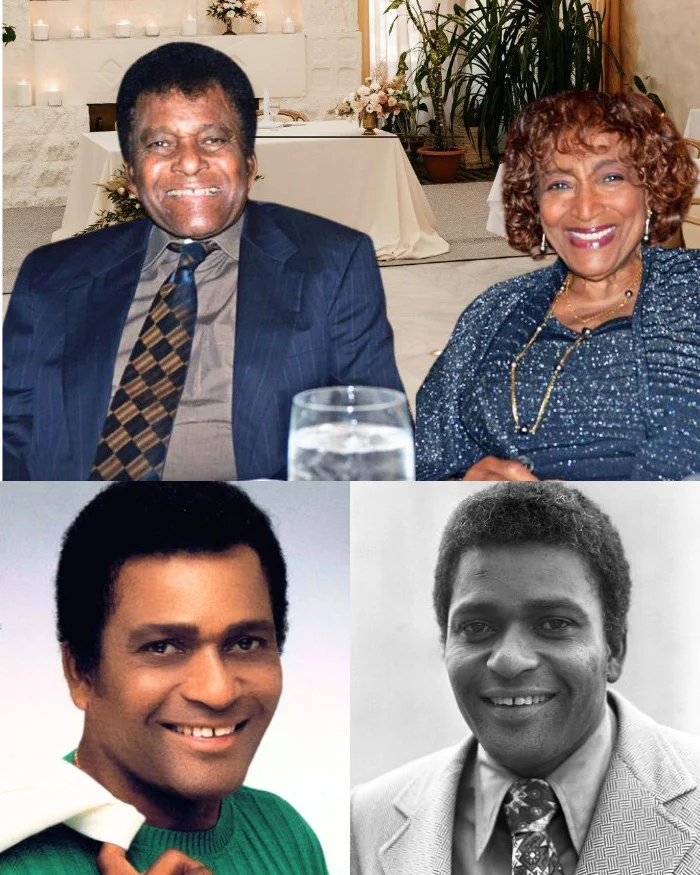
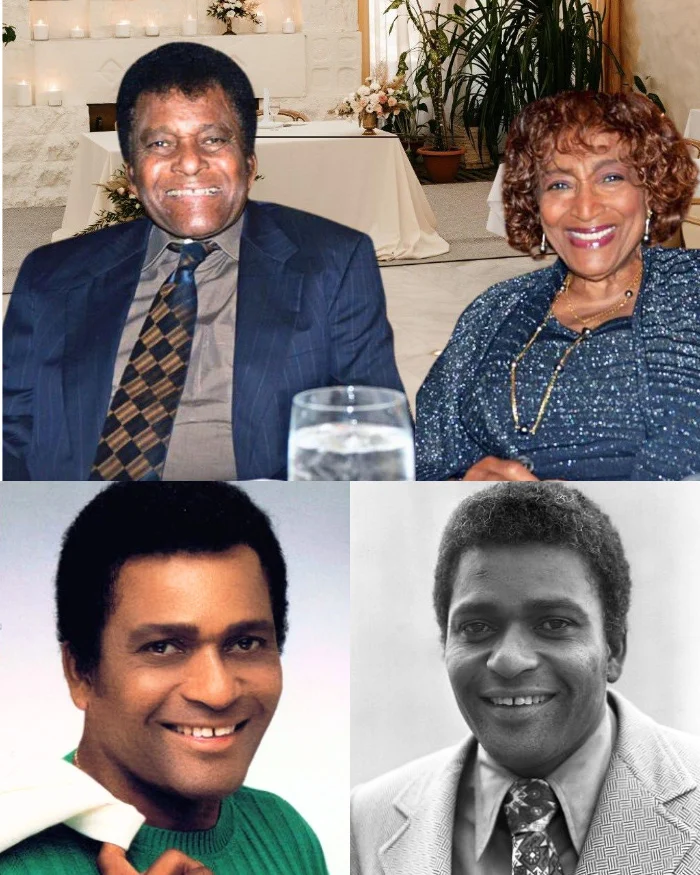
Charley Pride stood in a Montana doorway while a stranger signed the paper that should have been his. The lead singer of the Night Hawks had earned the room with his voice. He had also endured a cold life of zinc smelting and semi-pro baseball. Yet the tavern owners who needed him to fill their stages refused to treat him as the adult authority he already was.
The early 1960s tested every part of Pride. Far from Sledge, Mississippi, he worked at an Anaconda zinc smelter and pitched for the East Helena Smelterites. After those brutal shifts he became the frontman for a local country band.
The Night Hawks played late gigs in bars and taverns across the region. A white teenage girl performed with the group, and the venues enforced a rule requiring a legal adult guardian for any minor entering a space that served alcohol.
Pride was a grown man, a father, and the driving force holding the band together. Still, the unspoken racial boundaries of the era stripped him of recognition in front of the very owners who trusted his baritone to pack their rooms.
To save the show from cancellation, the band pulled a random white patron from the crowd. That stranger had no connection to the music, yet he signed the paperwork and acted as the temporary guardian so the girl could legally step onstage.
Pride swallowed the insult without breaking the band. He let the stranger sign the form, then walked into the smoky room and sang as if nothing had diminished him.
The audience cheered for his flawless country renditions, unaware of the humiliation waiting at the door. That quiet resilience became the foundation of a career that would eventually challenge Nashville itself.
When traveling country stars heard Pride in Montana, they urged him to leave the smelter and take a chance on Music City.
In 1965 Pride traveled to Tennessee, connected with producer Jack Clement, and cut a demo tape that reached Chet Atkins at RCA Records.
Atkins heard the raw authenticity in the delivery. He understood the risk of introducing a Black artist into a deeply traditional market, yet he made the historic decision to sign Pride anyway.
To let the music speak first, RCA initially released Pride’s first singles to radio stations without a promotional photograph.
Disc jockeys and listeners fell in love with the voice before they saw the face. By the time Pride stepped onto major stages, the songs had already built a bridge.
He earned 36 number-one hits, claimed the Country Music Association Entertainer of the Year award, and became a foundational pillar of the Grand Ole Opry.
The legacy of Charley Pride began with a working-class singer who refused to let an unfair world stop the music.