
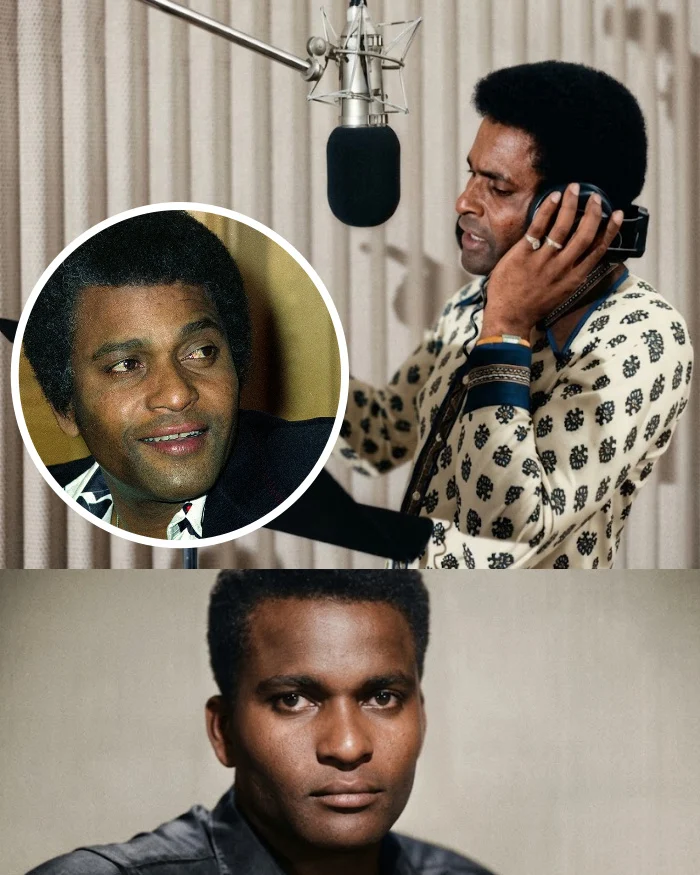
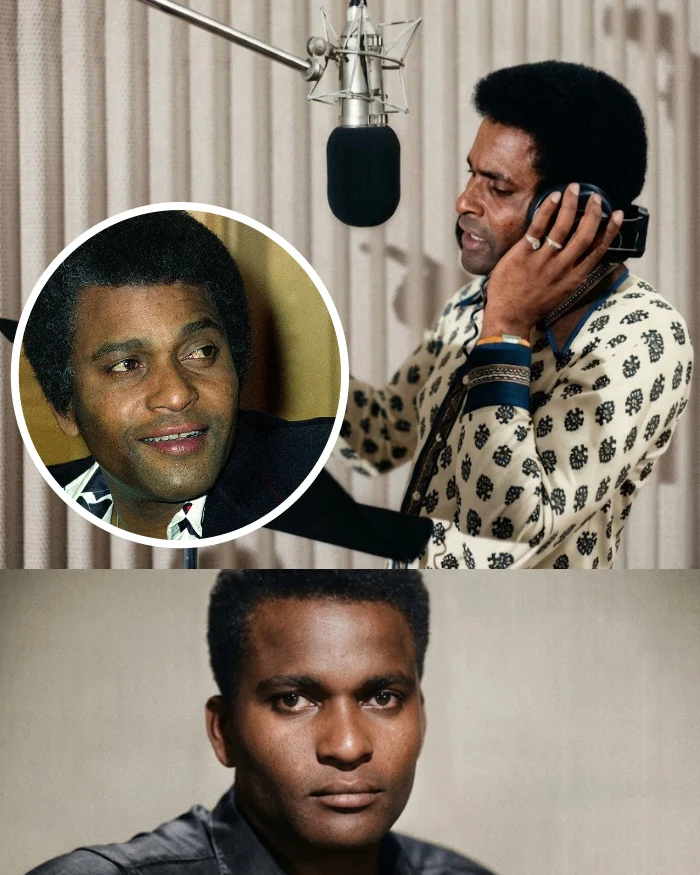
Mack Pride Sr. worked the Mississippi dirt until his hands ached, yet his most lasting gift to his family was not land or food.
It was a wooden Philco radio.
In the 1940s, that receiver was a rare luxury for a Black sharecropping household of thirteen in Sledge, Mississippi, where daily life pressed hard against children and left little room for distant dreams.
Most people around him expected young Black voices in the Delta to rise through blues or gospel.
The Pride family radio, however, caught the 50,000-watt signal of WSM-AM from Nashville.
“The invisible radio waves carried a dream past the color line.”
Every Saturday night, Mack tuned to the Grand Ole Opry for a brief escape from a sharecropper’s week.
His son, Charley Pride, sat close to the speaker and listened with a hunger that felt almost sacred.
He studied the phrasing, storytelling, and vocal delivery of Roy Acuff and Ernest Tubb through static and distance.
By day, Charley hauled a heavy canvas sack under a brutal sun.
By night, he walked dirt roads and copied the twang of white country singers, even when friends and neighbors looked at him with confusion.
That contrast shaped his childhood.
The radio gave him a vision of a life beyond the fields, and he held onto those Saturday night melodies for decades.
Charley Pride later became the first Black superstar in country music.
His road away from Sledge did not run straight to Nashville.
He first chased professional baseball, pitching in the Negro Leagues and later moving to Montana for work at a lead smelting plant while playing for a local minor league team.
He sang traditional country songs in Helena honky-tonks for extra money.
His resonant baritone drew attention from visiting stars Red Sovine and Red Foley, who urged him to go to Music City.
Producer Jack Clement recorded a demo that reached Chet Atkins, the RCA Records executive who recognized a generational talent.
In 1965, Atkins signed Pride and helped place his voice on vinyl in a city still ruled by segregation and prejudice.
RCA released Pride’s debut single, “The Snakes Crawl at Night,” without promotional photographs.
That choice forced country radio to judge him only by the weight of his voice.
“When the singer finally appeared on stage, the shock melted into belief.”
Radio stations across the country embraced the sound before many listeners learned his race.
When touring began, audiences carried surprise into the room, then let it fall away once he stepped up to the microphone and delivered pure country music.
Once the door cracked open, Pride pushed through it with relentless artistry.
He earned twenty-nine number-one hits, three Grammy Awards, and the Country Music Association’s Entertainer of the Year trophy in 1971.
He reached the Country Music Hall of Fame and gave a mainstream platform to the same music he had studied as a boy.
Yet his legacy always returned to that wooden Philco receiver in Mississippi.
Mack had only wanted weekend relief from exhaustion.
He gave his son a sound, a dream, and a path into a world that had refused him.