
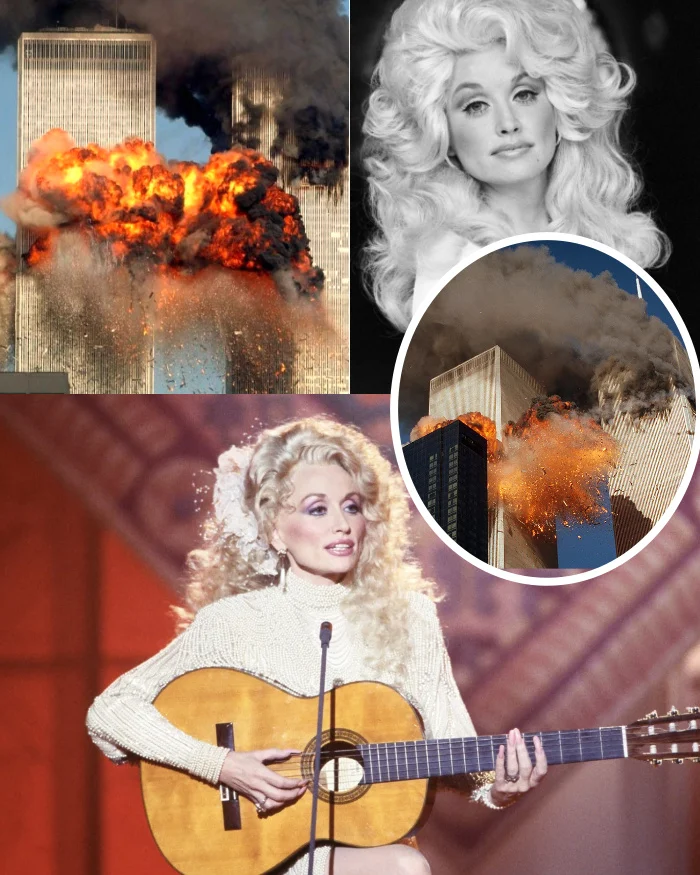
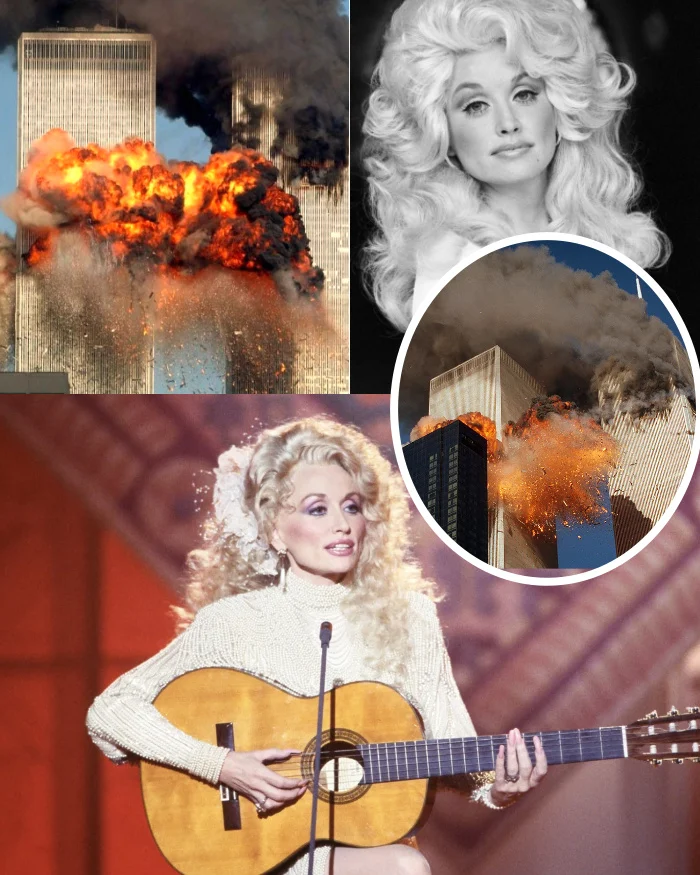
When the calendar nearly turned to 2002, Dolly Parton had already made a quiet vow. She wanted the last hours of a wounded year to become a doorway into education for children who had lost parents in the September 11 attacks.
The promise was bold. It was also practical. Parton announced in October 2001 that she would spend New Year’s Eve at the Grand Ole Opry House with a benefit concert called Red, White and Bluegrass.
She was not merely a guest on a holiday stage. She became the headliner, host, and driving force behind the Nashville event. Every dollar raised would go to the Families of Freedom Scholarship Fund.
That fund carried a long horizon. Its purpose was to protect college dreams for children of responders and victims who died or became permanently disabled after September 11.
Parton knew that grief needs shelter. Her hardscrabble childhood in the Great Smoky Mountains taught her that real comfort comes through preparation and tangible support, not empty sympathy.
She chose bluegrass because the music sounded like endurance. Fiddles, mandolins, and upright basses carried the pulse of people who had learned to survive hardship with honesty and rhythm.
Fresh from her acoustic albums The Grass Is Blue and Little Sparrow, Parton reached into the traditional roots community she had helped revive. She personally gathered Nashville’s premier pickers, vocalists, and instrumentalists.
The plan was to fill the Opry stage with unadorned music and honest voices. The goal was to turn a national moment of fear into a public act of care.
Yet December 31 brought a sudden shock. A reported bomb threat forced organizers to cancel the highly anticipated New Year’s Eve date.
The safety of musicians, production crews, and audiences came first. The Opry House staging halted, and the benefit concert moved to May 2002.
Still, the winter work did not vanish. Behind closed doors, Parton had already united a coalition of acoustic artists around one mission. Their willingness to stand together showed Nashville’s compassionate response to a national heartbreak.
When history turns heavy, an artist can turn spotlight into lasting protection.
The concert waited for spring, but the foundation had been laid. Parton looked past immediate sorrow and focused on the future of families she had never met.
Her choice proved that a stage can become more than spectacle. It can become a shield, a shelter, and a promise kept for children who needed hope.