
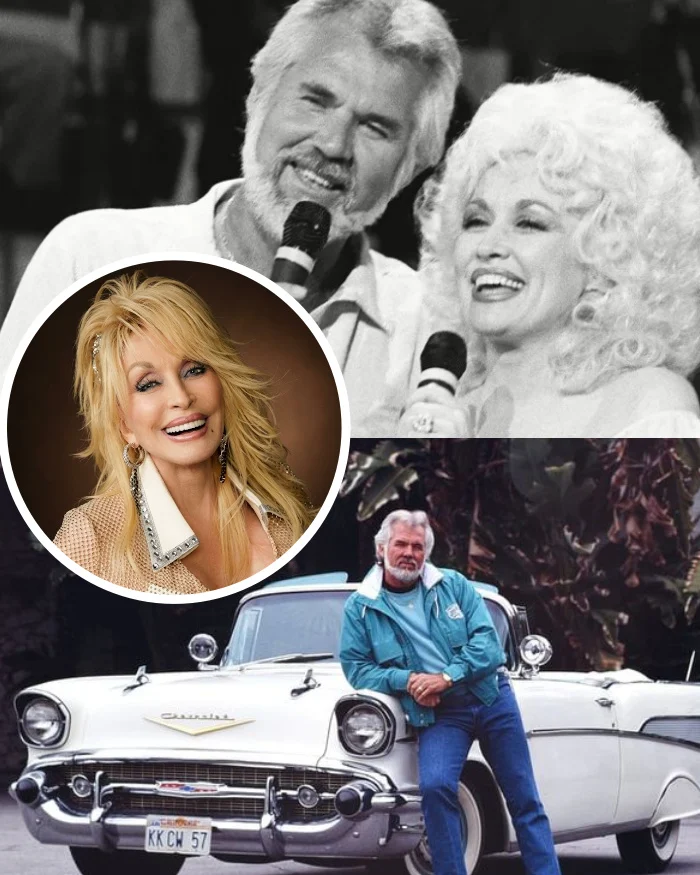
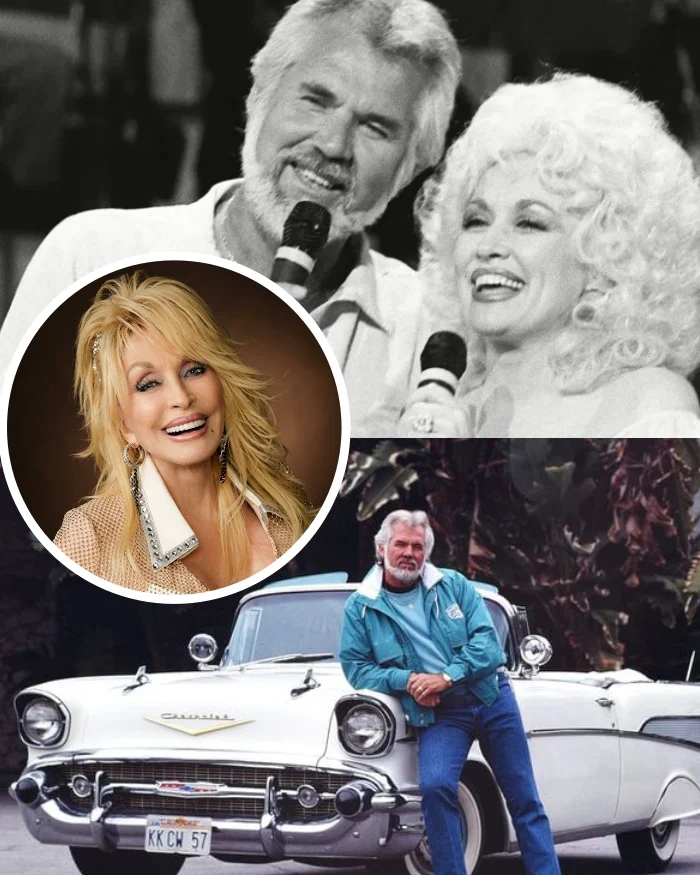
When Kenny Rogers died in March 2020, Dolly Parton refused to let grief remain private while the people who carried his music faced sudden darkness.
Kenny Rogers passed away on March 20, 2020, at the age of 81 at his home in Sandy Springs, Georgia. He died under hospice care with family around him during the earliest weeks of the global pandemic. Concert halls closed, arenas went quiet, and public gatherings stopped across the United States.
A large memorial for a star with decades of live music history could not happen. Dolly Parton could not travel to embrace Wanda Rogers and the sons of her closest musical brother. Instead she moved quickly to turn sorrow into practical relief.
She joined forces with CMT, CBS, and the Recording Academy’s MusiCares coronavirus relief fund to create a national benefit broadcast. The special was titled CMT Giants Kenny Rogers A Benefit For MusiCares and aired on April 8, 2020. Artists recorded from living rooms, porches, and personal studios. The lineup included Lionel Richie, Willie Nelson, Vince Gill, Reba McEntire, and Alison Krauss.
The focus stayed on road crews, lighting operators, guitar technicians, and sound engineers whose touring income vanished overnight. These working class families had built the foundations of live entertainment, and they now faced unpaid bills, housing costs, and grocery shortages.
Parton made private phone calls between Nashville and Georgia. Rogers’ estate and longtime production coordinators shared the urgent needs of crew members. The broadcast then helped deliver emergency grants and swift relief checks to thousands of behind the scenes workers.
Kenny Rogers had always protected the people behind the curtain. Across more than five decades, from his time with The First Edition to his final farewell runs, he treated bus drivers, stagehands, and local riggers with dignity and fair consideration. Many key touring personnel remained on his payroll for twenty to thirty consecutive years.
During the broadcast, Parton spoke with direct warmth and redirected public attention toward the men and women loading equipment trucks in empty venues.
She turned a private farewell into a public act of care.
The television special raised millions of dollars within its first week of airtime. It offered a lifeline when live music needed it most, and it honored Kenny Rogers in a way that extended far beyond applause.