
A midnight highway can feel like a confession booth, a courtroom, and a chapel all at once. That is the emotional gravity inside The Road Goes On Forever by The Highwaymen. The song does not merely describe travel. It holds up a mirror to anyone who has kept moving after loss, after risk, after a promise has been broken by a single reckless choice.
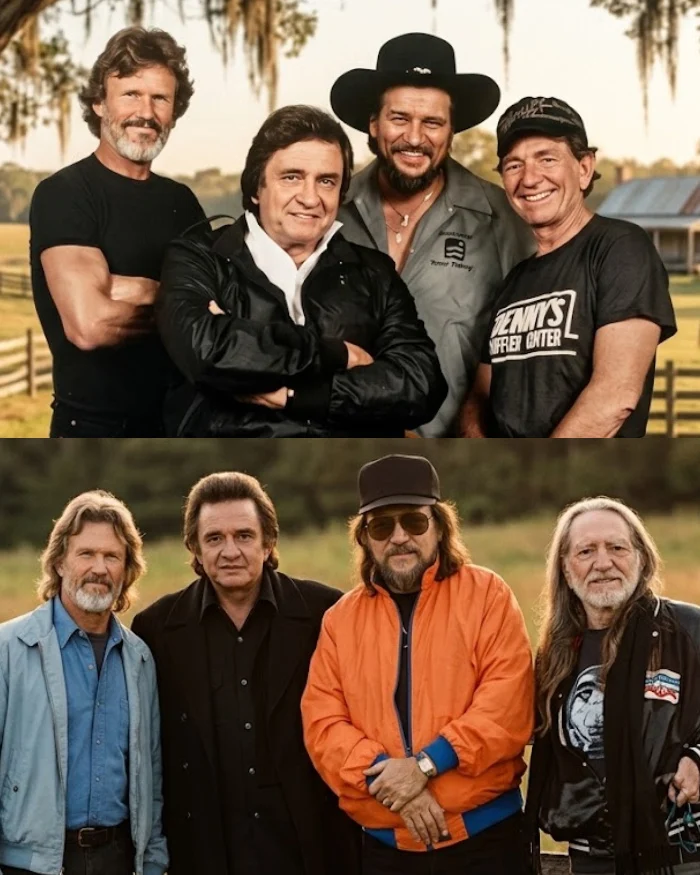
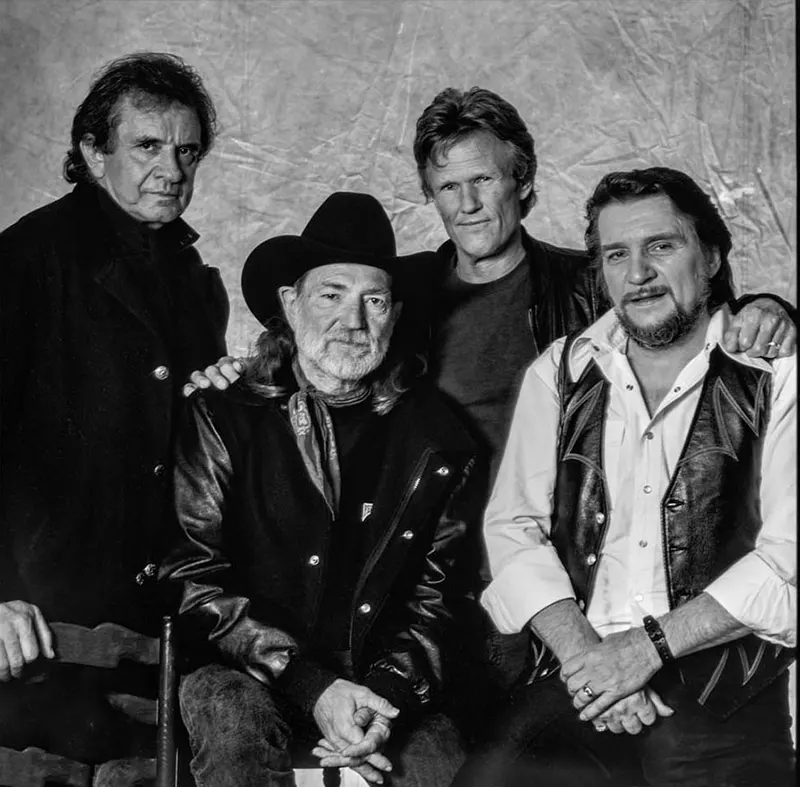
The voice of the record is unmistakably legendary. Johnny Cash, Waylon Jennings, Willie Nelson, and Kris Kristofferson brought a weathered brotherhood to the track. Their harmonies carry the weight of men who had seen fame, heartbreak, poverty, and reinvention. When they sang about an endless road, the line did not sound like poetry alone. It sounded like testimony.
Appearing on the group’s self titled debut album, the song became a country philosophy wrapped in a driving melody. Acoustic guitars push the rhythm forward while the vocals remain calm and accepting. The arrangement feels like headlights sweeping across a dark road, steady enough to keep going, lonely enough to make the listener lean closer.
The story at the center of the song is vivid and painful. Sherry works at the only joint in town, a waitress shaped by rumor and midnight streets. Sonny is a restless loner, too bold for the ordinary world and too trapped by it. A pool hall fight, a pickup truck, a motel by the water, a briefcase, a pistol, and a fatal escape bind them together in a chain of choices that cannot be undone.
“The road goes on forever and the party never ends”
That refrain is the song’s beating heart. It sounds celebratory at first, but it becomes darker as the story unfolds. The party never ends because consequences keep moving. The road goes on forever because life refuses to pause for regret. In the final scene, Sherry buys a newspaper and a six pack after months have passed. The headline says Sonny is going to the chair. She pulls back onto main street in a new Mercedes Benz. The image is quiet, devastating, and unforgettable.
What makes the song endure is its refusal to judge too loudly. It lets listeners sit with the moral mess. It asks whether freedom is a gift, a trap, or a road that simply keeps asking for another mile. The Highwaymen made that question feel human, not abstract. They turned outlaw country into a meditation on survival, resilience, and the strange endurance of hope.
Years later, the song still works because everyone has a road that does not stop. A job that changes, a town left behind, a mistake that follows, a love that fades, a chance that returns. The Highwaymen did not promise that the journey would be fair. They only promised that it would continue. That is why the record remains a timeless anthem for wanderers, survivors, and anyone who keeps driving into the unknown.