
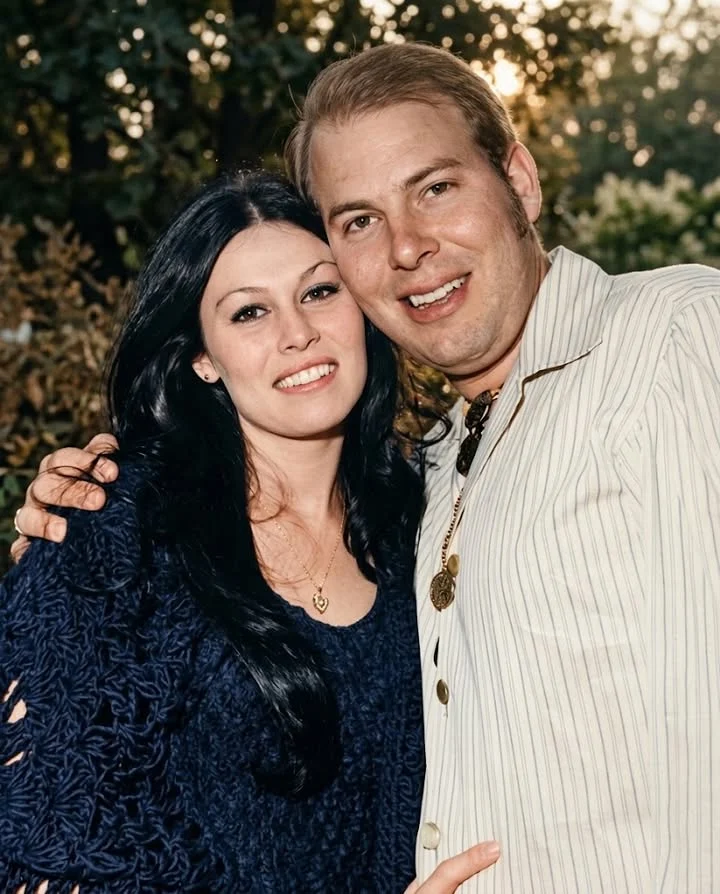
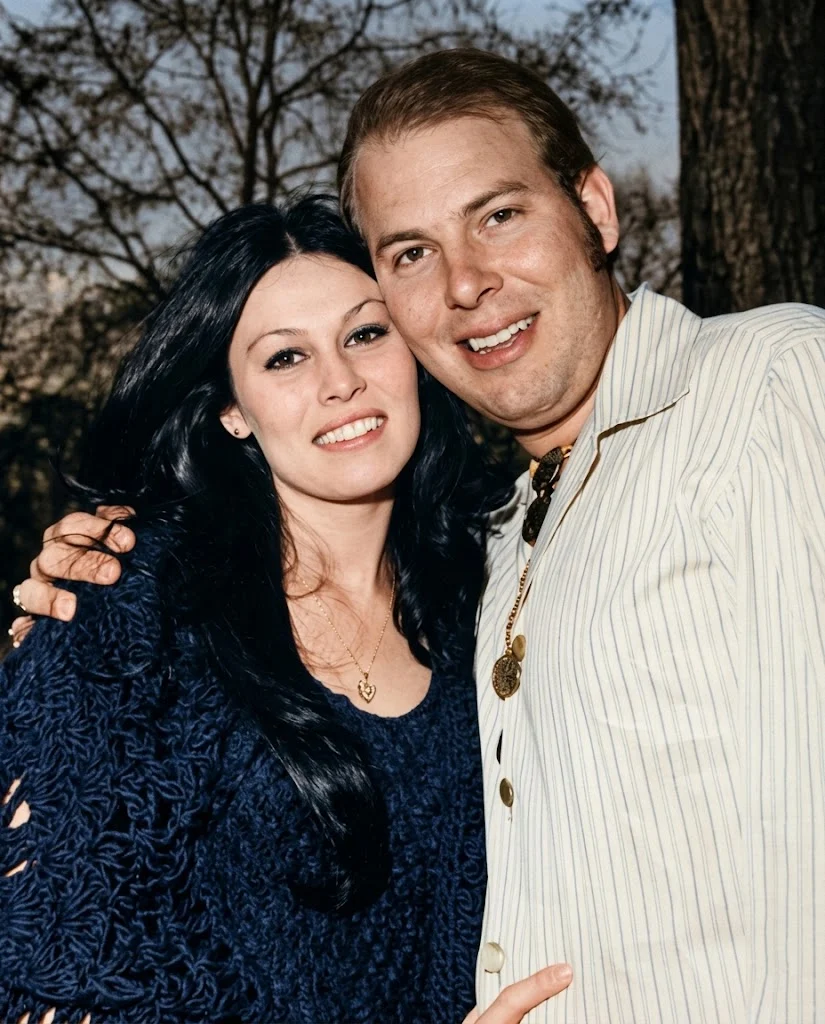
Five hundred feet of Montana snow and rock nearly erased Hank Williams Jr. The singer climbed Ajax Peak on August 8, 1975, hoping to find a quiet place to write and escape the heavy expectations of the Nashville music industry.
He was 26 years old and moving through the snow-covered terrain with a friend when the ground suddenly gave way. He fell nearly 500 feet down a sheer and jagged rock face.
The impact shattered his skull and left his brain exposed. His jaw and facial bones broke in multiple places. Rescue crews faced a brutal extraction from the mountain, and even survival seemed doubtful when they finally reached him.
The accident dragged him from concert stages to a hospital room in Missoula. The country music world braced for tragedy, while his wife at the time, Gwen Yeargain, endured long and painful nights in waiting rooms. She faced the devastating possibility that her husband might not live, and that he might never sing again.
For more than two years, Williams underwent nine major reconstructive surgeries. The doctors worked to piece his face and skull back together, yet that medical effort was only the beginning of a grueling physical reality.
He went up the mountain struggling beneath the weight of his father’s name and came down forced to build his own.
Recovering his voice became a long and quiet battle of endurance. His jaw was wired shut for an extended period, and he had to relearn the simplest human functions. Chewing and speaking became painful daily work.
That physical limitation also changed the music he made. Unable to deliver the smooth and traditional country croon that industry executives had demanded, he adapted his sound. His vocal resonance grew grittier, deeper, and more forceful as he pushed music through his healing jaw.
During those difficult recovery months, he absorbed different records and leaned heavily into Southern rock. He drew inspiration from The Marshall Tucker Band and The Allman Brothers, then merged their driving and defiant energy with his country roots to create a sound that fit his altered voice.
The surgeries saved his life, but they left permanent and visible scars across his face. Refusing to let trauma dictate his public presence, he made a practical choice to cover the damage.
He grew a thick beard, put on dark sunglasses to shield the severe scarring around his eyes, and pulled a cowboy hat low over his forehead. What began as a physical shield became an unmistakable cultural signature.
Before the fall, Williams had spent years feeling trapped by the ghost of Hank Williams Sr. The industry had pushed him to sing his father’s songs and mirror his father’s presence. The accident severed that expectation completely.
Visitors during his darkest hospital days, including close friends Johnny Cash and June Carter Cash, witnessed a man who was no longer trying to be an echo of the past. He was fighting to rebuild himself from the ground up.
The man who eventually walked out of recovery was physically and artistically different. The mountain in Montana nearly claimed his life in the snow, but the devastating fall became the catalyst that broke the shadow of his heritage and gave him the scars and voice to finally forge his own.