
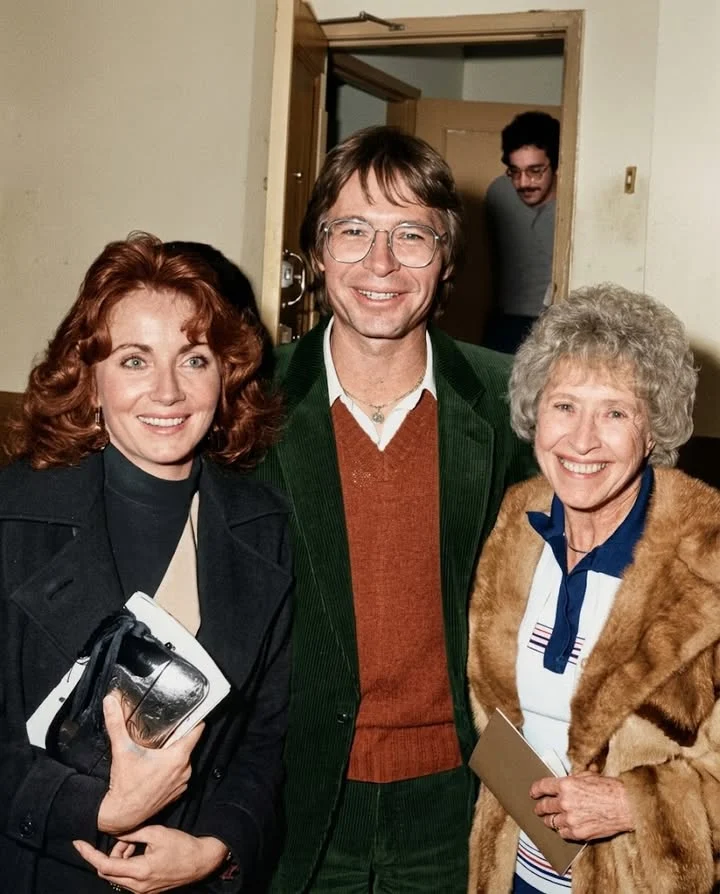
A desperate apology almost vanished in the cold. John Denver skied straight down the Bell Mountain slope because a melody had arrived in his heart and he feared it would disappear before he could save his marriage.
In 1974, “Annie’s Song” became a worldwide love anthem. It topped the Billboard Hot 100, ruled the adult contemporary charts, and gave Denver his first number one hit in the United Kingdom. Yet the song was never built for charts. It was born during a painful separation from his wife Annie.
Denver was carrying television specials, relentless touring, and the pressure of fame. The distance had strained the marriage. He went to the slopes of Aspen, Colorado, hoping the mountains would quiet the noise.
As the chairlift rose into freezing air, Denver looked down at snow and still trees. The cold sharpened his feelings. He began comparing Annie to the world around him, a night in the forest, the mountains in spring, and a storm in the desert.
The whole song came to him in ten and a half minutes.
The chairlift ride became a private prayer, and the lyrics became an apology he could not stop carrying.
When the lift reached the top, Denver did not pause to admire the view. He raced down the mountain and hurried home to write the words and chords before they vanished.
The apology needed one more transformation. When Denver played the new track for producer Milt Okun, Okun heard a sweeping classical echo. He pointed to the second movement of Pyotr Ilyich Tchaikovsky’s Fifth Symphony. Denver did not discard the song. He shifted the notes slightly, turning the subconscious echo into a distinctly American acoustic rhythm.
Okun built gentle strings around Denver’s wooden guitar. The arrangement honored the classical roots while leaving the singer’s voice vulnerable. The result was an apology disguised as a masterpiece.
John and Annie Denver eventually divorced in 1982. That ending did not erase the song. It gave the record more weight. The private plea survived the marriage and became a standard at weddings around the world.
For ten minutes in the freezing Colorado sky, a fractured love felt complete again. The rushed paper from Aspen became a permanent prayer for millions.