
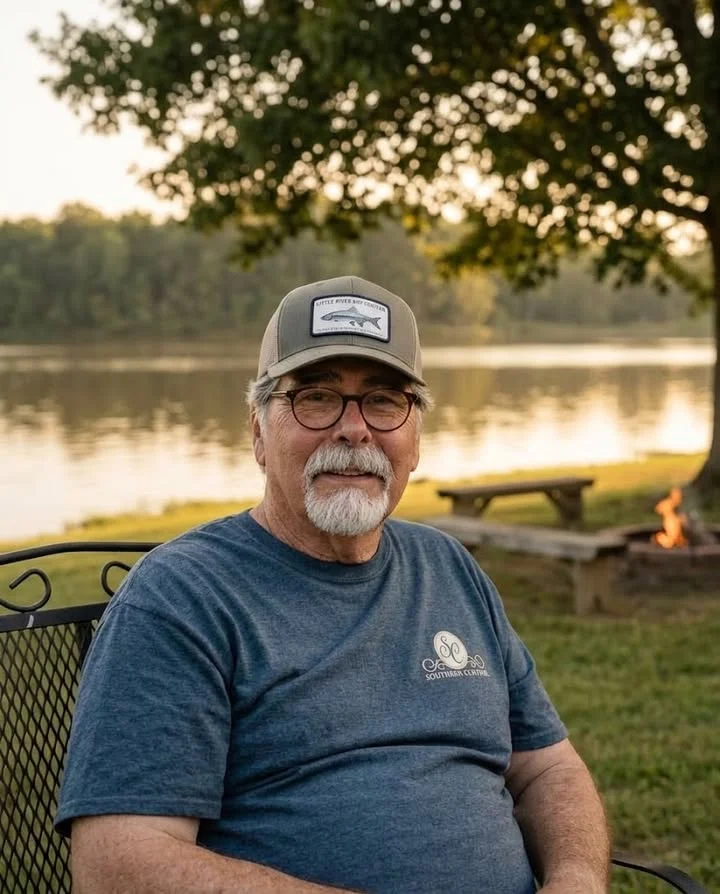
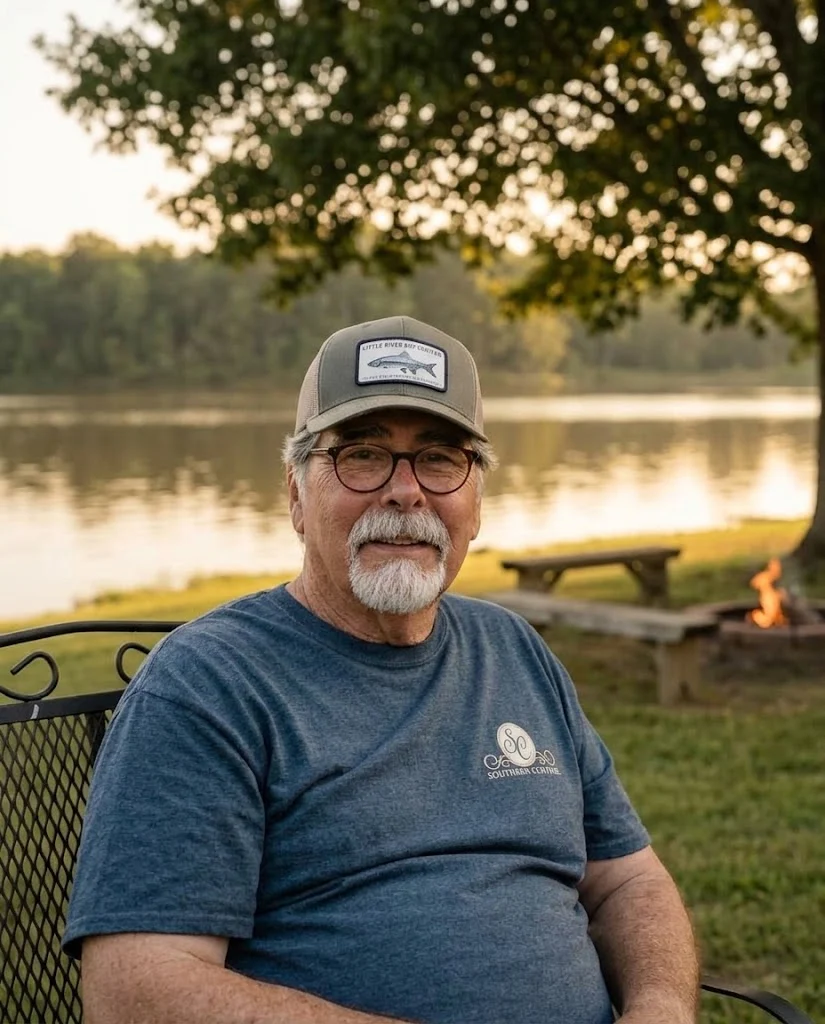
The voice that carried Alabama across arenas and radio waves first learned patience through dust, stone, and aching shoulders. Randy Yeuell Owen did not step into country music history from a polished Nashville office. He arrived through the hard labor of Fort Payne, Alabama, where a boy born in a rustic log cabin near Lookout Mountain in the winter of 1949 learned that building a life required more than dreams.
The story began long before platinum plaques, custom tour buses, and national fame. By day Owen was a farmer, a painter, and a bricklayer. He carried heavy drywall, laid stone, and worked under the Southern sun until his hands grew calloused. Those hands would later hold a guitar in dim bars, but first they held the weight of survival.
When evening came, Owen joined cousins Teddy Gentry and Jeff Cook. They played for tips in local rooms and traded the silence of job sites for stage lights. The young men from DeKalb County did not know they were assembling the foundation of a musical empire.
The true test came away from Alabama. The cousins, then called Wildcountry, took a huge risk and settled into a residency at The Bowery in Myrtle Beach, South Carolina. Seven summers spent as the house band turned relentless nights into a proving ground.
Playing for a tip jar before rowdy beach crowds forced the group to stretch beyond traditional country. They blended Southern rock, pop, gospel, and rhythm and blues until their sound became impossible to ignore. The exhausting schedule locked their three-part family harmonies into place and gave them a stage power Nashville had not yet seen.
By 1980 the band changed its name to Alabama and secured a major record deal. They broke the old mold of country music. The industry had long favored solo singers backed by anonymous studio players. Alabama showed that a self-contained band of relatives could fill arenas with the force of a rock act.
They later sold seventy-five million records and became the first group to win the Country Music Association’s Entertainer of the Year award. Their string of twenty-one consecutive number-one singles rewrote expectations. Still Owen kept the memory of manual labor close.
He sang about everyday work because his own body remembered it.
When he delivered anthems like 40 Hour Week For a Livin, he spoke to mechanics, waitresses, painters, and farmers. He knew the ache in their backs because he had carried that same weight. His authenticity could not be manufactured in a studio.
The boy from the log cabin helped build the most successful band in country music history. He traded drywall and stones for platinum records and Hall of Fame plaques. His respect for the working man never faded.
The hands that once laid bricks in Fort Payne eventually built a musical home for millions. That foundation remains solid, and the story behind it reaches deeper than the lights of any stage.