
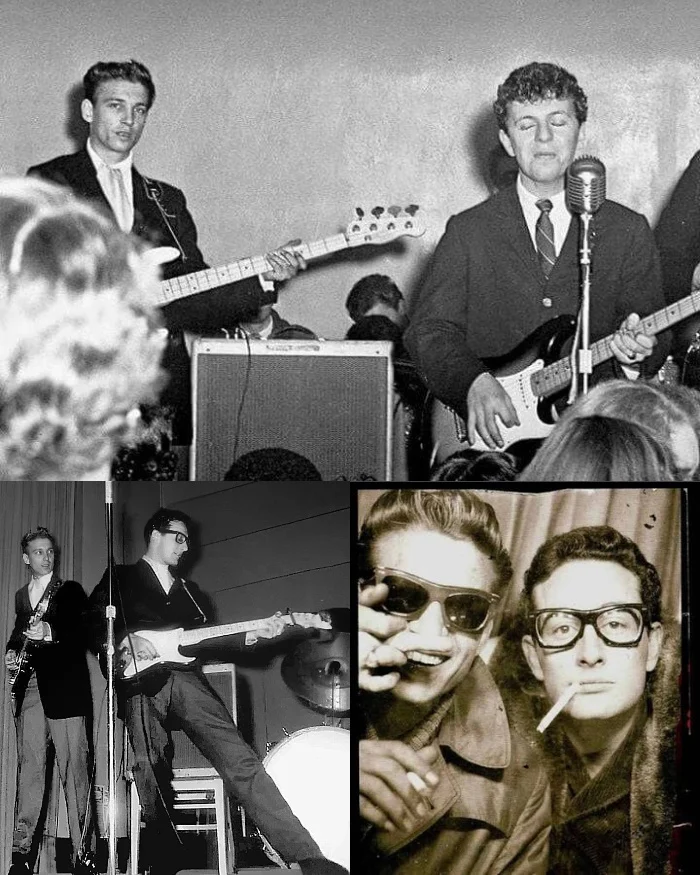
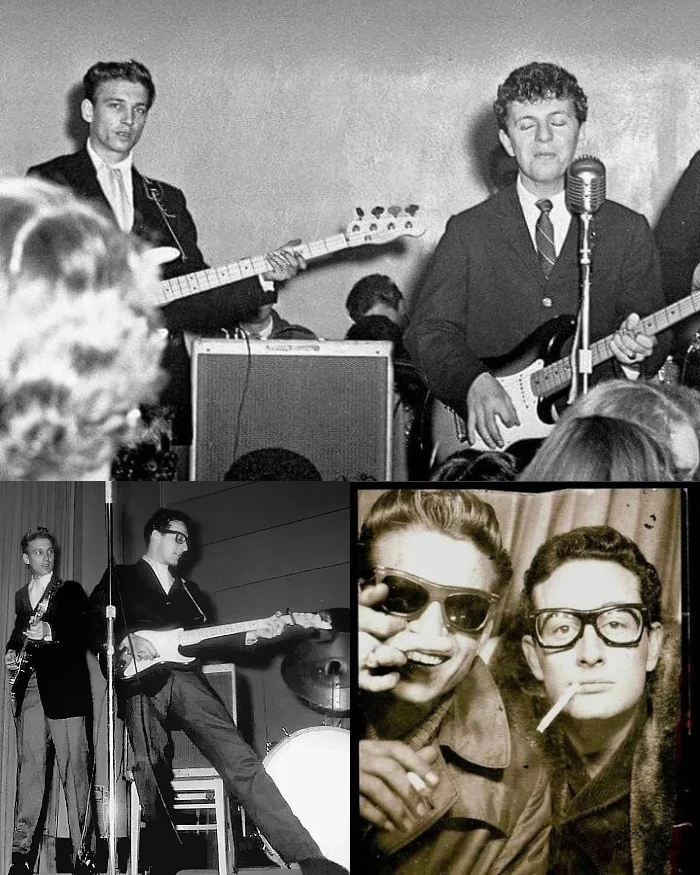
At dawn on February 3, 1959, Waylon Jennings sat on a bus that had turned into a rolling freezer in North Dakota. A terrible message reached him. The small plane carrying Buddy Holly and two beloved musicians had crashed in an Iowa cornfield in one of the most infamous disasters in music history. Waylon was alive because he had given his seat to J.P. “The Big Bopper” Richardson, who was sick with the flu. He kept his Fender Precision Bass close, but he would carry a far heavier burden for decades.
The Winter Dance Party tour had become a brutal march across the Midwest. Converted school buses carried exhausted players through sub-zero nights with broken heaters. Buddy Holly, tired and desperate for warmth, chartered a small aircraft after the February 2 show at the Surf Ballroom in Clear Lake. Waylon, then 21, had just played bass for Holly through the night. He stepped aside for Richardson and boarded the bus instead.
Holly joked that the bus would freeze. Waylon answered that he hoped the plane would crash.
The words were only tired banter in the snow. Hours later, the plane went down shortly after takeoff. Everyone aboard died. Waylon survived, yet the casual joke became a wound that would not close. The tour did not stop. For two agonizing weeks, he rode the same freezing buses and played scheduled shows across the Midwest. He stood on stage holding the exact instrument that had absorbed the last bass lines he ever played behind Holly, while audiences mourned the men he had lost.
That aftermath changed him deeply. Survivor’s guilt pressed on him for decades. He came to believe his words had somehow summoned the tragedy. As he moved from rock and roll bass player to country singer in the 1960s, he sealed the memory away. He refused interviews about the crash. He turned down movie roles about Holly’s life. He avoided public memorials. The guilt fueled a relentless work ethic and also fed long battles with addiction.
Yet Holly left Waylon more than grief. Holly had shown him how to fight for artistic control. Holly produced his own music and challenged record executives for authority over his sound. Waylon carried that lesson into Nashville. The rigid studio system tried to choose songs, players, and recordings for him. He resisted hard. In the 1970s, he won the right to use his own touring band in the studio and produce his own records.
That defiance helped ignite Outlaw Country. Landmark albums such as Honky Tonk Heroes and Wanted! The Outlaws helped define the movement, and Wanted! The Outlaws became the first country album to sell a million copies. The rebellion that made him a global star grew from the creative freedom he had witnessed beside Holly.
It took nearly thirty years for Waylon to forgive himself. Sobriety and age softened the old fear. In later years, he spoke openly about the crash and accepted that guilt had never honored Holly. Waylon changed American music by refusing to let an industry own him. His fierce independence began on a frozen runway in Iowa, where a young bass player walked away with a Fender in his hands and a friend’s spirit urging him to stand his ground.