
The silence was almost as loud as the crowd.
Charley Pride walked onto tense stages in the 1960s South, and people who had paid to hear a white country singer suddenly saw a Black man holding the microphone.
He did not answer their suspicion with fury.
He sang.
His rich baritone cut through the room, and the murmurs vanished.
That moment captured the quiet courage of a man who changed country music without ever raising his voice in anger.
Before those stages, the battle had been hidden in plain sight.
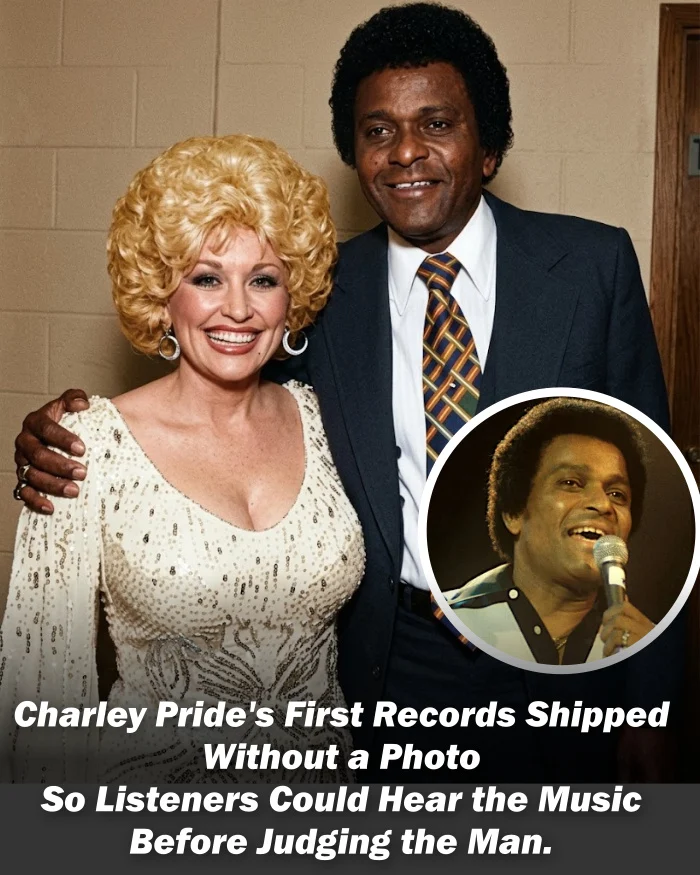
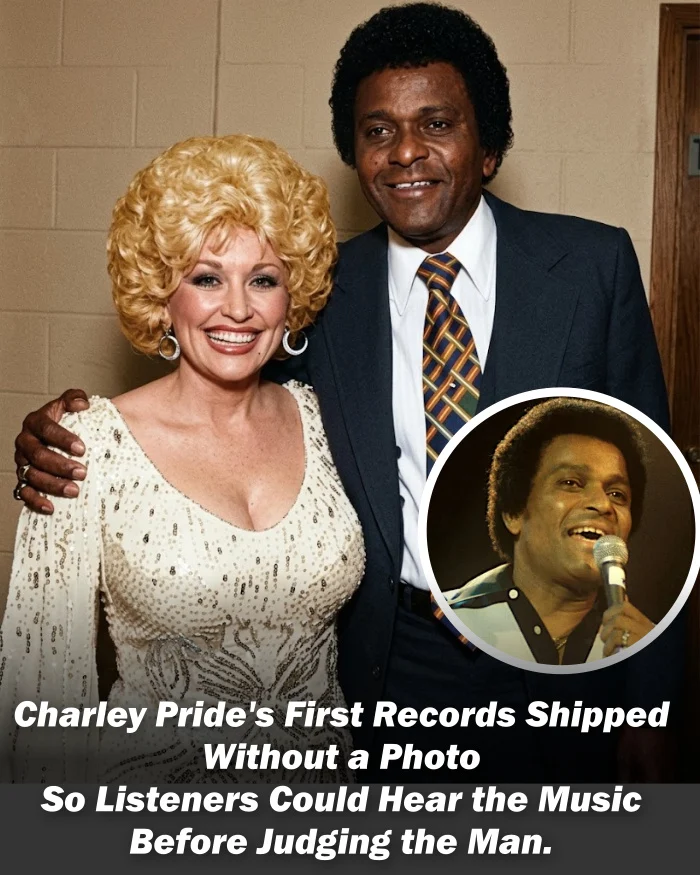
When RCA Records mailed his early singles to country radio, executives deliberately removed his photograph from the promotional sleeves.
They knew the harsh truth of segregated America.
Programmers in conservative markets might discard a record before hearing a note if they saw a Black face first.
Chet Atkins and producer Jack Clement believed Pride possessed a voice strong enough to move listeners before prejudice could stop them.
They were right.
The needle dropped, and radio stations heard a pure traditional country sound that recalled Hank Williams, Lefty Frizzell, and George Jones.
By the time many programmers realized the singer was Black, his records were already climbing the charts.
Music had taken root before fear could uproot it.
Pride’s journey to that moment had been anything but ordinary.
He was born in Sledge, Mississippi, and once pitched for a team in the Negro American League.
Later, while working at a copper smelting plant in Montana, he sang in small honky-tonks and carried country music in his bones.
Nashville finally opened its doors for him, but it did not open its heart.
The true test came when he left the studio and met audiences face to face.
He learned to disarm fear with a gentle joke.
He often apologized for his “permanent tan,” a line that let the crowd breathe before his voice took over.
Then he sang, and the room changed.
Years later, Dolly Parton reflected on that arrival in the 2019 documentary “Charley Pride I’m Just Me”.
His sheer vocal talent forced the good ol’ white boys to step back and take notice
Parton understood the cost of fighting for respect as a woman in country music, yet she recognized a far larger mountain standing before Pride.
He did not tear down Nashville with demands.
He sang until its walls fell.
His excellence became impossible to ignore.
He became the highest-selling performer at RCA Records since Elvis Presley.
He collected 29 number-one hits on the Billboard Hot Country Songs chart, three Grammy Awards, and the Country Music Association Entertainer of the Year honor in 1971.
The same stations that once needed to be persuaded to play him eventually built formats around his voice.
Charley Pride stepped into rooms that were not prepared for him.
He left them as a legend who widened the meaning of American music.