
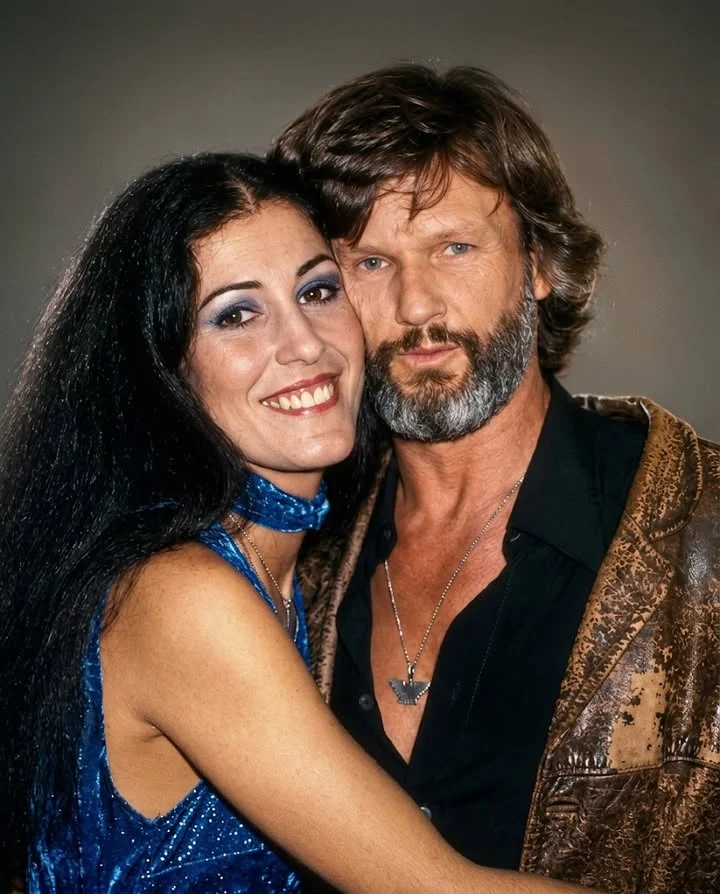
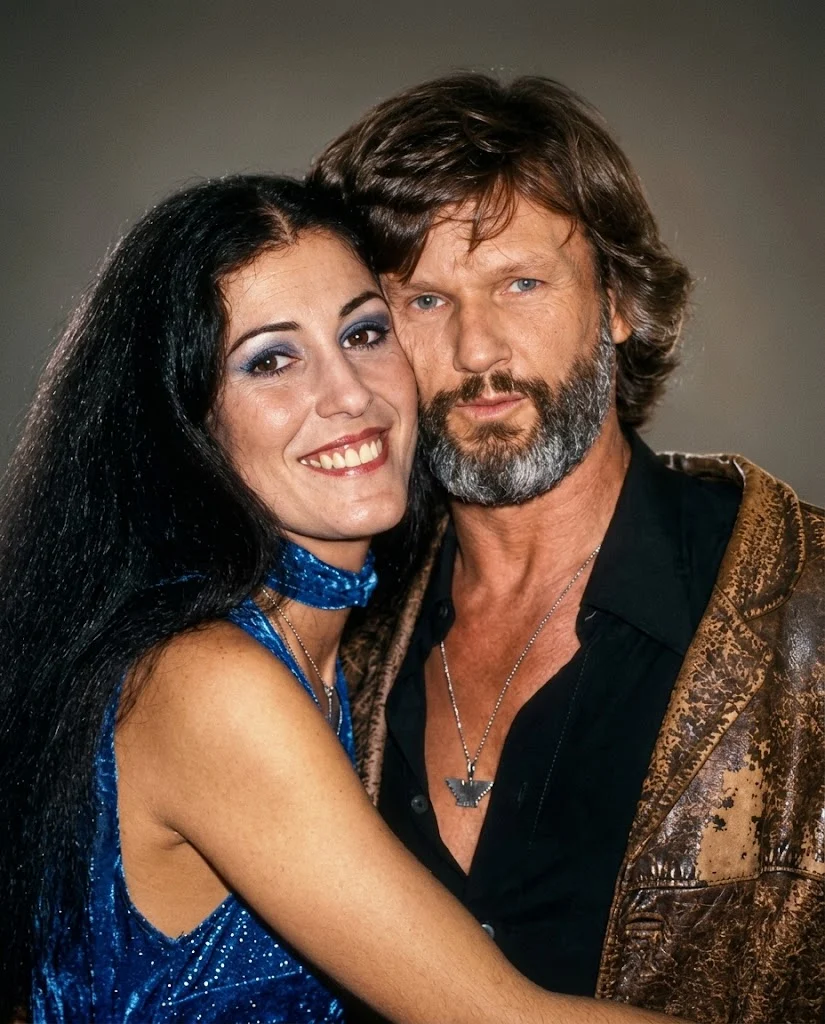
When Kris Kristofferson died peacefully at his Maui home at age 88, his family held the quiet end of a life that turned rejection into music and loneliness into a voice millions still carry.
He came from a world built on rank, discipline, and expectation. His father was an Air Force major general. He was a Rhodes Scholar who studied the poetry of William Blake at Oxford. He was a Golden Gloves boxer and a disciplined Army Ranger. A teaching position at West Point looked like the future his family had trained him to accept.
Instead, he chose Nashville. In 1965, Kristofferson resigned his military commission and took a janitor job at Columbia Recording Studios. He swept floors, emptied ashtrays, and stayed close to the rooms where Bob Dylan and Johnny Cash made records. That choice cost him his approval. His mother sent a letter disowning him and calling his path a disgrace to their military tradition.
The pain became his pen. Cut off from safety and family blessing, Kristofferson wrote with a raw honesty that Nashville had not expected from a janitor. He turned toward hangovers, lonely motel rooms, and the quiet desperation of outcasts. His words helped shape the Outlaw Country movement before the industry had a name for it.
The breakthrough arrived in mythic fashion. In 1969, he flew a National Guard helicopter onto Johnny Cash’s lawn with a tape of “Sunday Morning Coming Down.” Cash did more than listen. He performed the song on national television, resisted pressure to change a difficult lyric, and gave Kristofferson a brotherhood.
“The man who lost his family found a home in music.”
That bond later helped form The Highwaymen, with Cash, Waylon Jennings, and Willie Nelson. For a writer once cast out by his bloodline, the road became a family.
Beneath the rugged singer and actor was a fragile human being. In later years, severe memory loss linked to Lyme disease took much of his daily life. On stage, though, his lyrics stayed with him. Well into his eighties, he smiled at audiences who sang his words back to him.
Kris Kristofferson left Nashville with a catalog that made country songs feel like literature. He traded a secure future for a broom, and the trade gave American music one of its most honest hearts.