
I’m sorry, so sorry, that I was such a fool
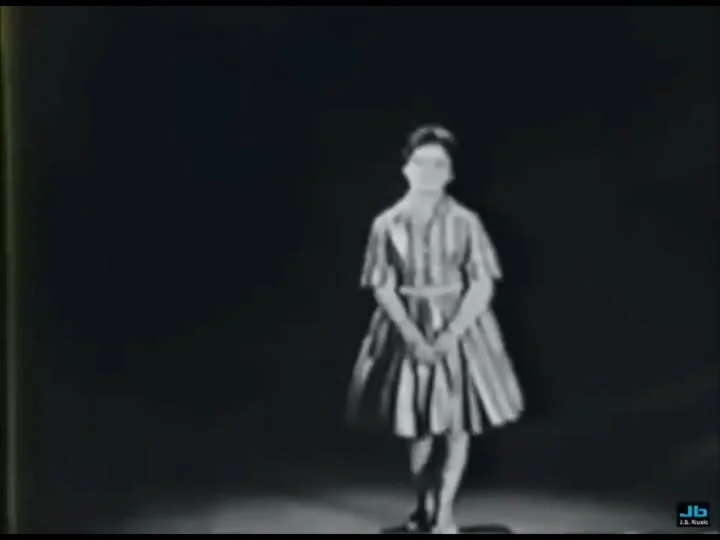
Those words, sung by a 15 year old girl, carry the weight of a lifetime of regret. Brenda Lee was barely a teenager when she stepped into the recording studio to lay down what would become one of the most enduring ballads of the 20th century. I’m Sorry hit the airwaves in 1960 and immediately struck a chord with anyone who had ever known the ache of a broken relationship.
Lee had already earned the nickname Little Miss Dynamite with upbeat rock and roll hits like Rockin Around the Christmas Tree. But I’m Sorry revealed a different side of her artistry. Her voice, mature and soulful, delivered the lyrics with a vulnerability that belied her youth. Listeners heard not a teenager but a woman wrestling with guilt and longing.
The song was written by Dub Allbritten and Ronnie Self. They avoided complex metaphors and crafted a confession that felt immediate and raw. The arrangement matched that emotional honesty. Gentle strings and subtle percussion created a melancholic atmosphere that supported Lee’s voice without overwhelming it. Every note amplified the sense of sorrow and yearning.
I’m Sorry became a chart topper. It reached number one on the Billboard Hot 100, making Lee the youngest female artist at that time to claim the top spot. The song stayed there for three weeks. Its success extended internationally and cemented Lee’s place as a musical powerhouse. Over the years, the song has been covered by legends such as Dolly Parton and Reba McEntire, each bringing a new interpretation to the classic.
Decades later, the song continues to resonate. It speaks to a universal truth about love and regret. In a world where apologies are often hurried and shallow, the sincerity in Lee’s performance reminds us of the power of true vulnerability. I’m Sorry endures not just because of its melody but because it captures a moment we all recognize. The moment when we realize that we have hurt someone we love and that words are all we have to make it right.
Ultimately, I’m Sorry is more than a song about heartache. It is a testament to the courage it takes to admit fault. Lee’s voice, even now, invites listeners to slow down and reflect on their own relationships. The song proves that the simplest expressions of regret can hold the deepest emotional weight. And that is why, more than sixty years later, I’m Sorry still moves us.