
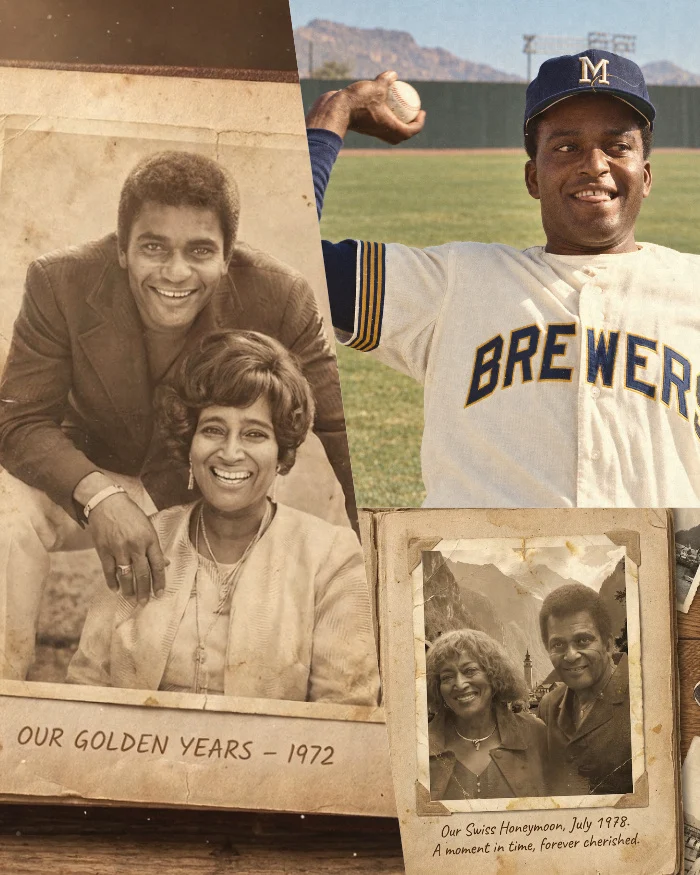
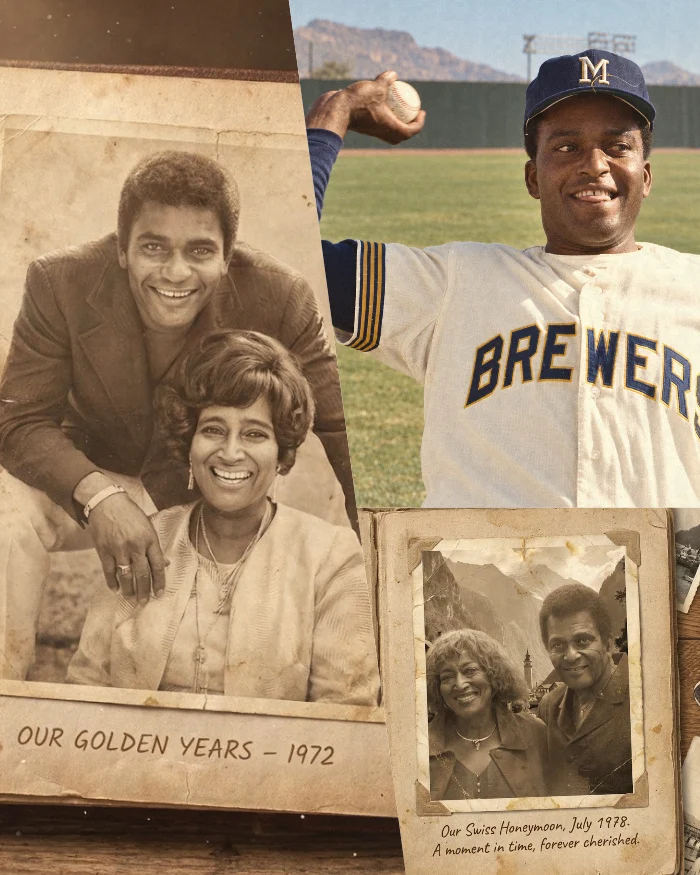
December 28, 1956 felt less like a wedding and more like a brief shelter from duty. Private Charley Pride stood beside Rozene Cohran in Memphis, exchanged vows in a rushed ceremony, and then returned to a cold barracks before the celebration could settle into joy.
He had just finished an all-star pitching season with the Memphis Red Sox when the draft board ordered the twenty-two-year-old right-hander to report to Fort Chaffee outside Fort Smith, Arkansas. Baseball uniforms gave way to olive drab, and summer games at Martin Stadium gave way to dawn marches through Ozark mud.
Rozene, an Oxford, Mississippi native working as a licensed cosmetologist in Memphis, accepted the difficult bargain. She waited through long salon shifts and sent letters to a young soldier who carried little more than discipline, an athletic dream, and a quiet singing voice.
At Fort Chaffee, Pride faced the strict routine of an integrated military while civilian life across the South remained deeply segregated. He worked in the Quartermaster Corps, where heavy labor recalled his cotton-picking days in Sledge, Mississippi. In the evenings, he sat on his bunk with an acoustic guitar and sang Hank Williams and Roy Acuff songs for fellow soldiers.
His voice soon reached beyond the enlisted quarters. Officers invited him to perform short country sets at the post officers’ club, a rare opening for a Black enlisted man in 1957. Pride sang not as a career move, but as a way to endure long duty hours and keep his thoughts centered on home.
After basic instruction, Pride transferred to Fort Carson near Colorado Springs. The mountain post gave him a baseball outlet on an elite team filled with minor leaguers and college standouts. He led the squad through regional service tournaments and helped secure the All-Army Sports Championship at Fort Knox. He believed the Major Leagues still waited after his service ended.
Then injury closed that door. A pitching arm problem ended the baseball path, and the couple faced a future without the career he had once planned. Pride moved toward country music, while the establishment remained wary of a Black artist in that world.
Rozene steadied their household through those uncertain years. She managed finances, protected their family life, and believed in the man whose voice had once filled a barracks room in Arkansas. The rushed wedding became the foundation of a marriage that lasted sixty-four years, until Pride died in 2020.
Long before Grand Ole Opry honors, gold records, and landmark fame, Charley Pride’s deepest journey began with a Christmas leave, a promise, and a wife willing to wait.
A few days of leave and a simple vow became the steady ground beneath a lifetime of music, sacrifice, and love.