
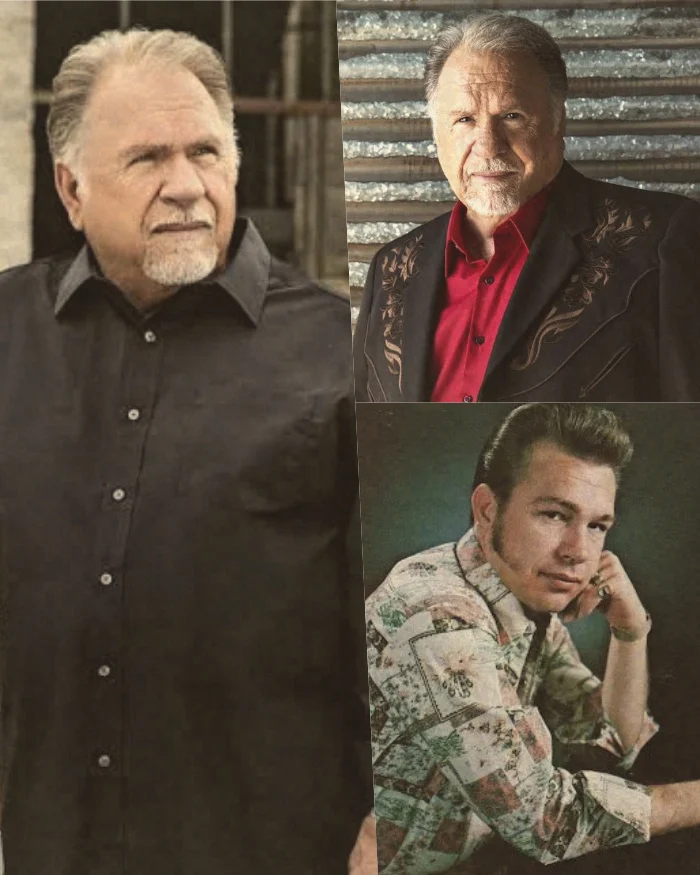
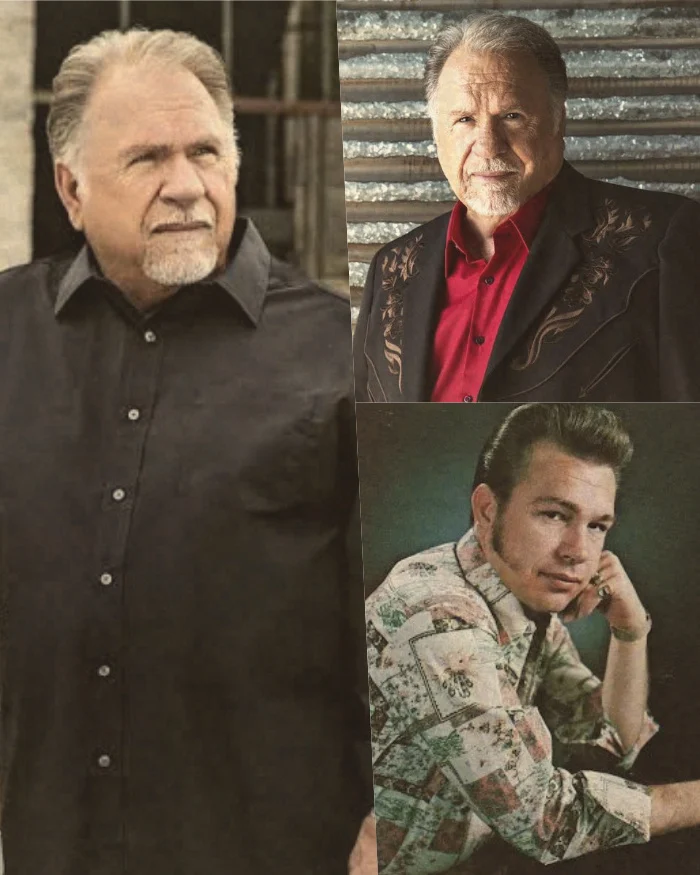
The man who made heartbreak sound familiar had his own quiet rescue in Texas. When Gene Watson faced a colon cancer diagnosis in 2000, the stage lights faded and one familiar presence held his world together. That presence was Mattie Louise Bivins, the woman who had chosen him in January 1961 long before country radio learned his name.
He was seventeen then. There was no wedding budget and no promise of fame. Watson carried wrenches through Houston garages, sanded crumpled fenders, and came home with oil and paint ground into his hands. Mattie did not marry a star. She married a working-class teenager willing to keep a roof steady with exhausted arms.
Their family grew around practical love. Daughter Terri Lynn and son Gary Wayne arrived while Watson still balanced shop paychecks with weekend gigs at places like the Dynasty. The music paid for groceries, not glory. That grounded rhythm became the hidden engine of his voice.
Then “Love in the Hot Afternoon” broke into the national country top five in 1975. Labels called. Tour buses waited. Fame pushed hard. Watson and Mattie answered with a steady choice. They kept their home in Texas. Nashville became a business stop, not a replacement for privacy.
She did not chase the spotlight. She guarded the home while he carried the microphone.
While Watson traveled for weeks, Mattie managed school schedules, doctor visits, and the ordinary life their children needed. When he stepped off the bus, he left the performer behind. Neighbors saw a man who liked car engines, errands, and quiet evenings with Mattie.
Country history is crowded with marriages broken by touring, temptation, and sudden fame. The Watson marriage crossed the sixty-year mark instead. Gold records and Hall of Fame honors came later. Yet none of it outshines the winter promise when a girl looked at a teenage mechanic and decided he was enough.