
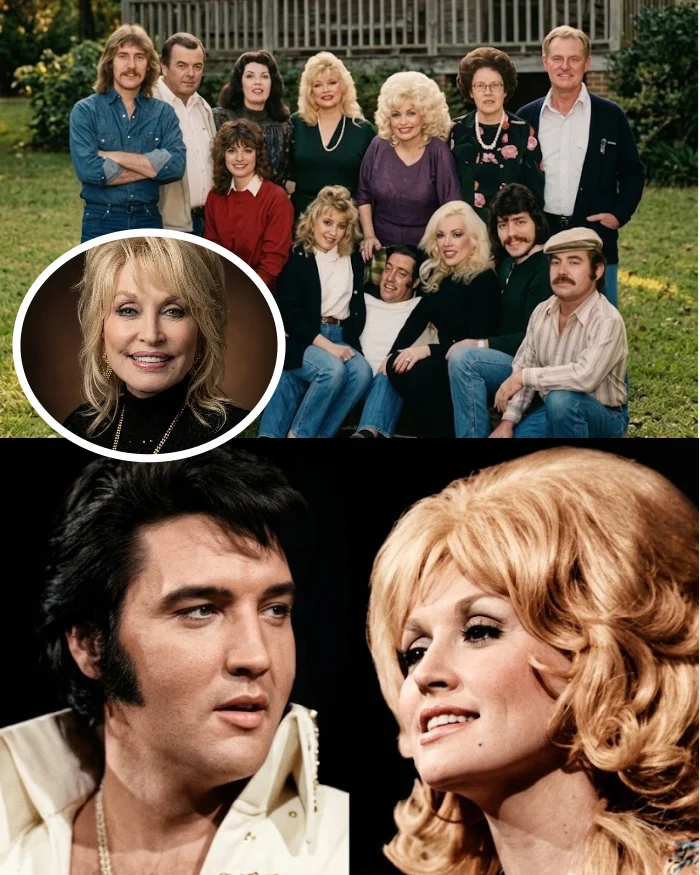
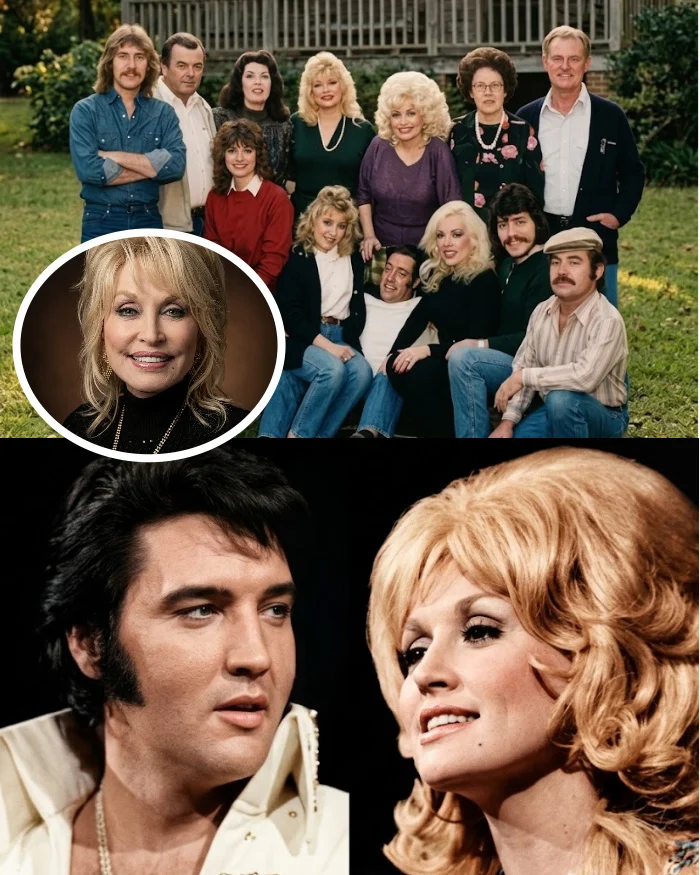
The King of Rock and Roll wanted to record her song. Dolly Parton had already told her family about the session. Then the phone call arrived with a brutal price. Colonel Tom Parker said Elvis Presley would cut “I Will Always Love You” only if Parton surrendered half of the publishing rights.
She was twenty-eight years old. Nashville expected young writers to bow before that demand. The prestige felt enormous. The cost felt permanent. Parton said no. She cried through the night. She also protected the financial future of a family of fourteen back in Locust Ridge.
The song itself was not a casual love letter. Parton wrote it in 1973 as a farewell to Porter Wagoner. For seven years she had been the featured voice on The Porter Wagoner Show. When she wanted a solo career, Wagoner resisted. The arguments dragged through his office. Unable to win with words, she poured her resignation into a quiet melody. She sang it to him the next morning. He finally let her go, but he insisted on producing the record.
That origin made the copyright deeply personal. It also made it valuable. Parton had already built her own publishing company with her uncle Bill Owens. The company was Owe-Par. Coming from deep poverty in the Great Smoky Mountains, she treated her catalog as real estate. Radio exposure could fade. Ownership could last. She knew her parents and relatives depended on her success. She would not trade their security for a single moment of fame.
Industry voices called the decision foolish. They believed an Elvis cut would make her forever famous. Parker’s demand was common. The deal seemed too good to refuse. Yet Parton had a longer view. She held every percentage of her work.
“She did not choose pride over money. She chose ownership over applause.”
Eighteen years later, history answered her. Kevin Costner recommended the song for The Bodyguard. Whitney Houston turned Parton’s acoustic farewell into a soaring vocal triumph. The record became one of the best-selling singles in music history. It spent fourteen weeks at the top of the charts. Parton’s decision kept the publishing rights intact.
Parton remembered pulling her car to the side of the road when she first heard Houston’s version on the radio. The song had found a voice that changed the world. The woman who once cried over losing an Elvis session had secured wealth for generations.
The royalties helped her invest in businesses and give back to Sevier County. She later joked that the song made enough money to buy Graceland. A portion of those earnings went toward a commercial complex in a historically Black neighborhood in Nashville.
Her refusal became more than a famous anecdote. It became a lesson in creative power. The biggest star in the world wanted her song. Her family needed her future. Parton walked away from the crown and kept the kingdom.