
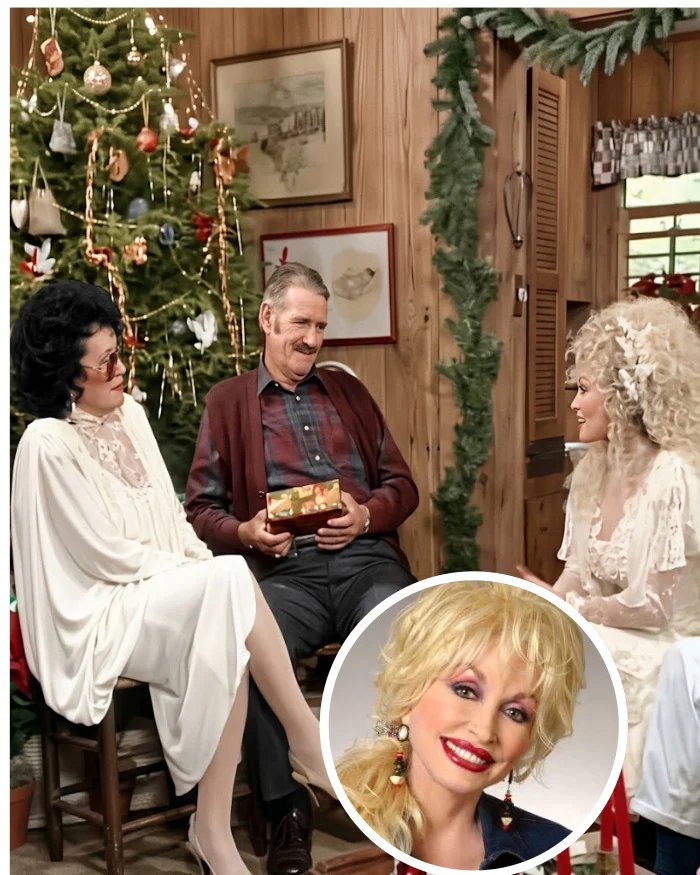
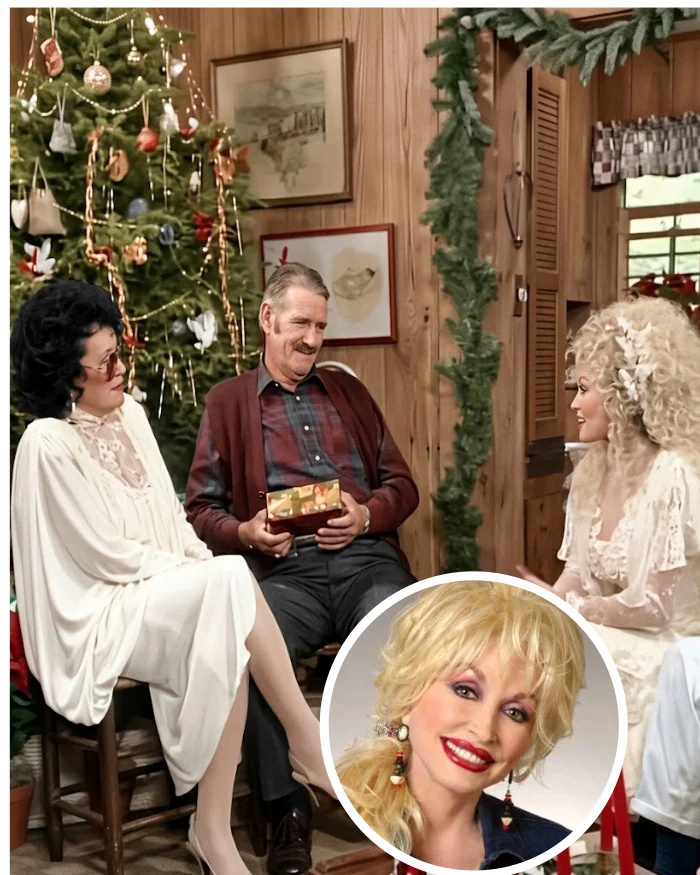
The local grocer crossed out Robert Lee Parton’s name and the Smoky Mountains finally exhaled. Dolly Parton was twenty-one and standing at the edge of a Nashville dream in 1967. Yet the first real money from her breakthrough did not become a sequined stage costume or a fancy apartment. It became a mailed envelope of relief for a family that had lived too long at the mercy of a credit ledger.
Back in Sevierville, Tennessee, her father and Avie Lee were keeping twelve children alive with cornmeal, flour, and kerosene bought on trust. The Parton name sat in the grocery book like a reminder that survival had no margin. Dolly knew that image. She knew the quiet shame it could leave on a hard-working father.
When her first major advance cleared, she sent the money home with one clear instruction. Robert Lee walked into the market and paid the family debt in full. That single act changed the emotional weather of the Parton household. It did not just erase a balance. It restored dignity.
Dolly did not spend her first financial victory on herself. She spent it on her family’s pride before she spent it on her own fame. The young singer understood that a public image mattered in Nashville, but a father’s self-respect mattered more in Sevierville.
That 1967 moment was not accidental luck. Parton had been working as a songwriter and a Monument Records artist. Her debut full-length album Hello, I’m Dolly helped prove she could carry a country solo act. The regional response led Porter Wagoner to bring her into his syndicated television program as the new female vocalist replacing Norma Jean.
Joining Wagoner triggered a major professional shift. She left Monument and signed with RCA Victor. For the first time, she had major-label distribution, a steady television salary, and a weekly platform reaching millions of living rooms. The opportunity was enormous. The cost was also enormous.
The Wagonmasters tour became a punishing engine. Dolly spent more than two hundred days a year on the road. She moved from rural state fairs to municipal auditoriums to high school gymnasiums. She slept on a custom Silver Eagle bus, performed multiple sets in a day, and drove all night toward the next town.
She also faced the psychological pressure of replacing a beloved star. In the early months, audiences loyal to Norma Jean sometimes chanted the former singer’s name. Dolly stood at the microphone, absorbed the resistance, and sang through it until the crowd began to hear her as herself.
A single advance could pay off the past, but only relentless touring could protect the future.
Dolly accepted the exhaustion because she knew the price of independence. Every sequined dress and every duet under harsh auditorium lights served a practical purpose back home. She wanted the Sevierville grocery tab to remain closed forever. She wanted her father never to ask for credit again.
The 1967 contracts helped build a global entertainment empire. The deeper story is smaller and more human. A daughter turned her first big paycheck into a quiet act of love. A father walked out of a local market with his name no longer written in a debt book.