
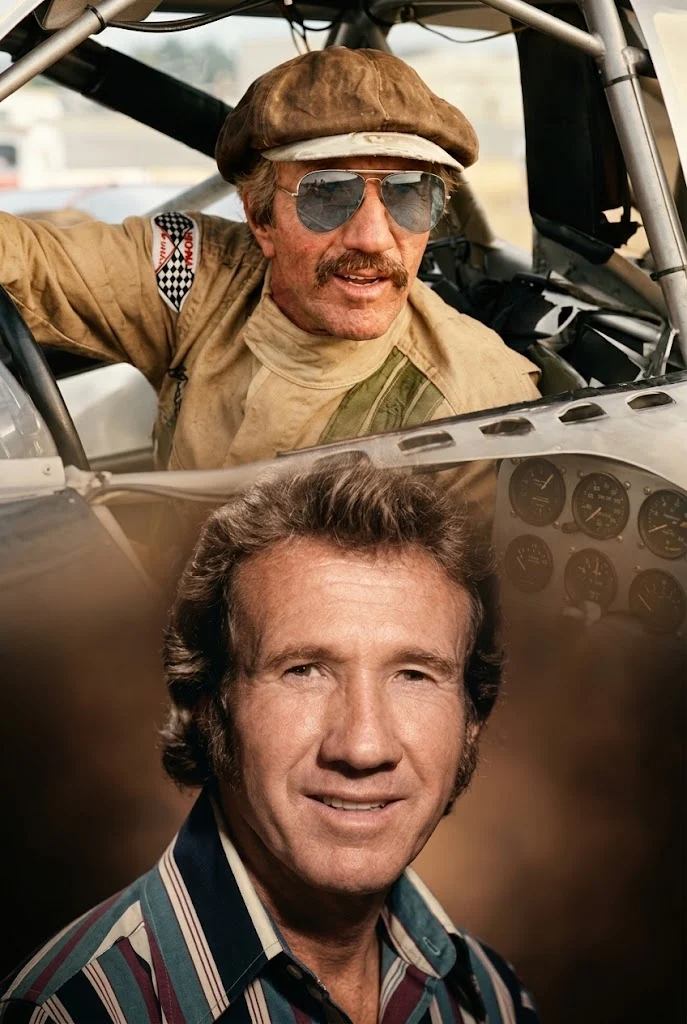
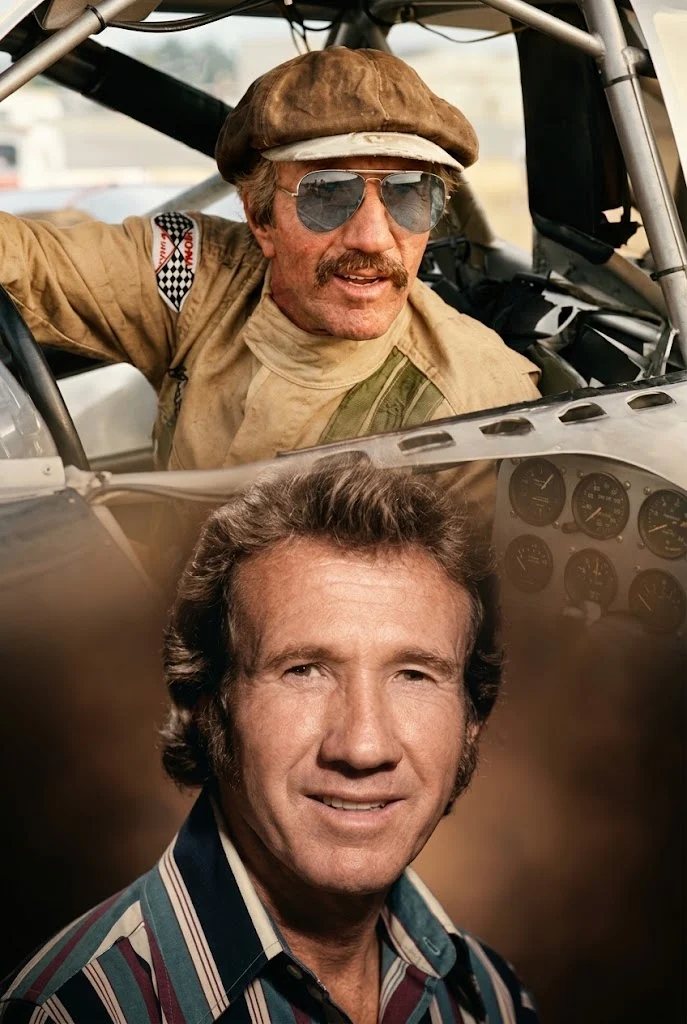
He buckled the harness over a fresh scar and drove anyway. On an October afternoon in 1970 at Charlotte Motor Speedway, Marty Robbins sat inside his Dodge for the National 500 with a healing chest and a racing heart.
Months earlier he had collapsed on an Ohio stage after a massive heart attack. Doctors found severe blockages in three coronary arteries. At Saint Thomas Hospital in Nashville, Dr. William C. Alford Jr. performed an experimental triple bypass.
The recovery advice was cautious. Physical stress could be dangerous. Robbins refused to let fear set the pace. He treated each new year as borrowed time and pushed to regain his NASCAR competition license.
NASCAR officials required extensive examinations and cardiovascular stress tests. Once medical waivers were signed in late 1970, Robbins returned to the premier stock car division.
The National 500 became a 500 mile endurance test against Richard Petty, Bobby Allison, and Cale Yarborough. Robbins ran without a relief driver at speeds above 150 mph. His incision endured cockpit heat, roaring V8 vibrations, and heavy lateral forces on the high banks.
Down on pit road, his crew watched every lap. Chief mechanics checked engine telemetry, fluid temperatures, and tire wear. Quick fuel stops gave them a look at his stamina through the window net. They had synced the chassis setup to his touring schedule, and Robbins flew in after mid week studio sessions.
He drove with aggressive precision. His heavy Dodge stayed competitive while seasoned factory teams pressed hard. Robbins finished grueling miles, climbed out soaked in sweat and grease, and showed no signs of cardiovascular distress.
That weekend revealed the extraordinary dual life he maintained through the 1970s. After the garage, he boarded an evening flight to Tennessee, changed from driving gear into Western tailoring, and walked onto the Grand Ole Opry stage by Saturday night.
The Country Music Hall of Fame later documented that double life as one of the most unusual chapters in American entertainment. It captured an artist who turned survival into motion.
Borrowed years became fuel for both stages
Born Martin David Robinson near Glendale, Arizona, in 1925, Robbins rose from poverty into one of the defining voices in American music. His rich baritone, Western story songs, and crossover pop ballads earned multiple Grammy Awards and eventual Hall of Fame recognition.
In the stock car garage, peers respected him as a dedicated racer. He poured his own earnings into competitive machinery. Across thirty five career Cup Series starts, he earned six top ten finishes and admiration from drivers who shared the dangerous banking with him.
Four years later at Charlotte, Robbins made a split second decision to drive into a concrete barrier at 160 mph to avoid broadsiding a stalled Richard Childress. That act cemented a reputation for courage far beyond the stage.
He spent twelve productive years after the 1970 surgery, writing timeless records and racing at superspeedways until his passing in December 1982.
The world remembers the classic Western ballads and theatrical melodies that filled radio waves. On that autumn afternoon in Charlotte, Marty Robbins proved his second chance at life would never be spent sitting in the shade.