
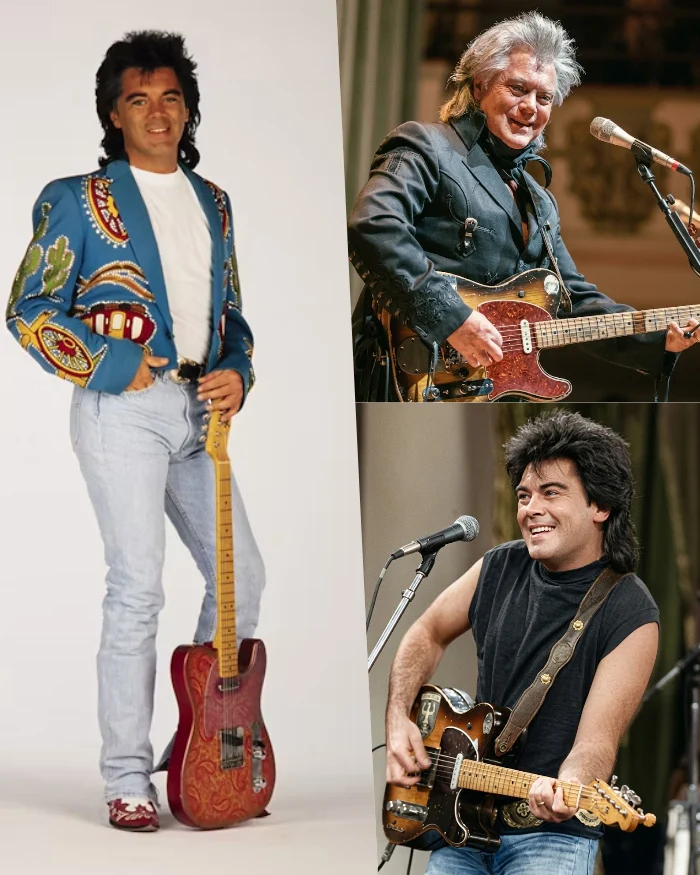
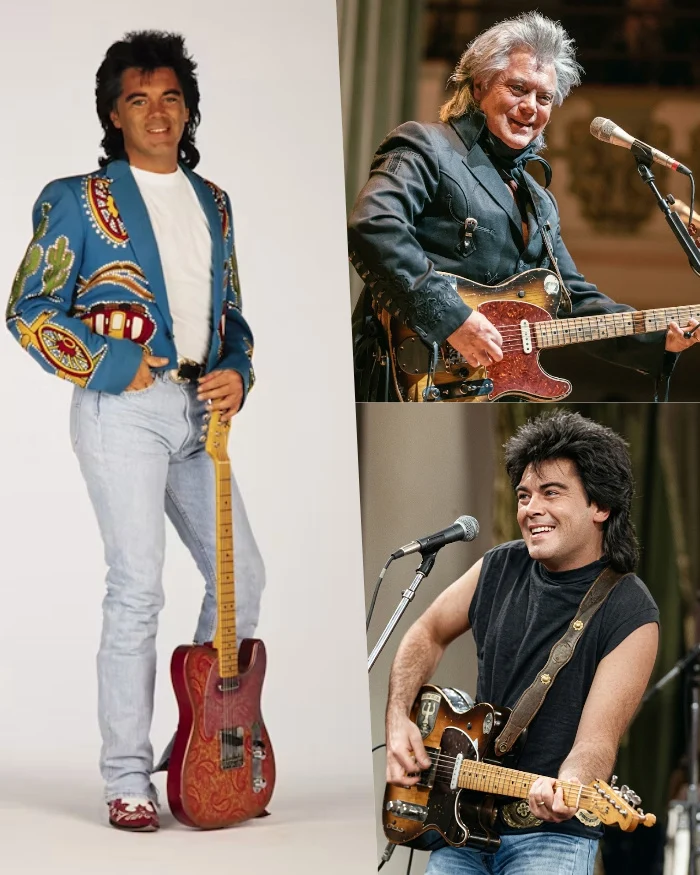
Expelled at thirteen, Marty Stuart did not walk away in shame. He walked toward the only future that felt real to him, and country music never looked back.
In the fall of 1972, a Mississippi schoolroom became the turning point in a life that would later shape the memory of an entire genre. Stuart was hiding a country music magazine inside his history textbook when a teacher found it. When he refused to back down, the school made him leave. The family could have treated it as a crisis. Stuart treated it as a door opening.
He had been studying the faces of legends under a wooden school desk. Now he pointed himself toward the road. Within weeks, he stood inside the tour bus of Lester Flatt, a bluegrass pioneer whose band had no logical reason to need a middle schooler.
He did not plead for a job. He picked up his mandolin and let his hands do the talking.
The air inside the bus carried diesel, cigarette smoke, and old instrument wood. Stuart’s hands were small, but his playing moved with instinct and certainty. Flatt listened. Then he broke every practical rule of touring and hired the teenager on the spot.
That decision launched one of the most remarkable apprenticeships in country music history. Over Labor Day weekend in 1972, Stuart made his debut on the Grand Ole Opry stage beside men three times his age. Playing notes was only part of the education. Flatt demanded more.
The road taught him how to read a crowd from the back of a stage. He watched Flatt pace a show, command a room with quiet authority, and respect working people who bought tickets. He absorbed the oral history of country music directly from the men who helped invent it.
Flatt also taught him the visual language of performance. He bought Stuart his first custom stage wear. The rhinestones, tailored suits, and polished boots became a uniform of respect for the genre and the audience.
Seven years on the highway turned a child prodigy into a seasoned professional. They shared thousands of miles, countless diner meals, and a deep mutual respect. Stuart came to see Flatt as a surrogate father and a master craftsman passing his tools to the next generation.
The lesson ended in 1979. Flatt’s declining health forced him to retire from touring and disband the Nashville Grass just months before he died. Stuart was only twenty, yet he was already a veteran of the road.
He later joined Johnny Cash’s band in the 1980s and built a massive solo career. He carried the weight of that early apprenticeship everywhere he went. Today he is widely regarded as country music’s premier historian and preservationist, collecting thousands of artifacts, original stage suits, and handwritten documents so the pioneers are never forgotten.
His mission did not begin in a museum or a boardroom. It began in 1972, on a smoke-filled tour bus, when a bluegrass legend gave a kicked-out middle schooler a place to belong.