
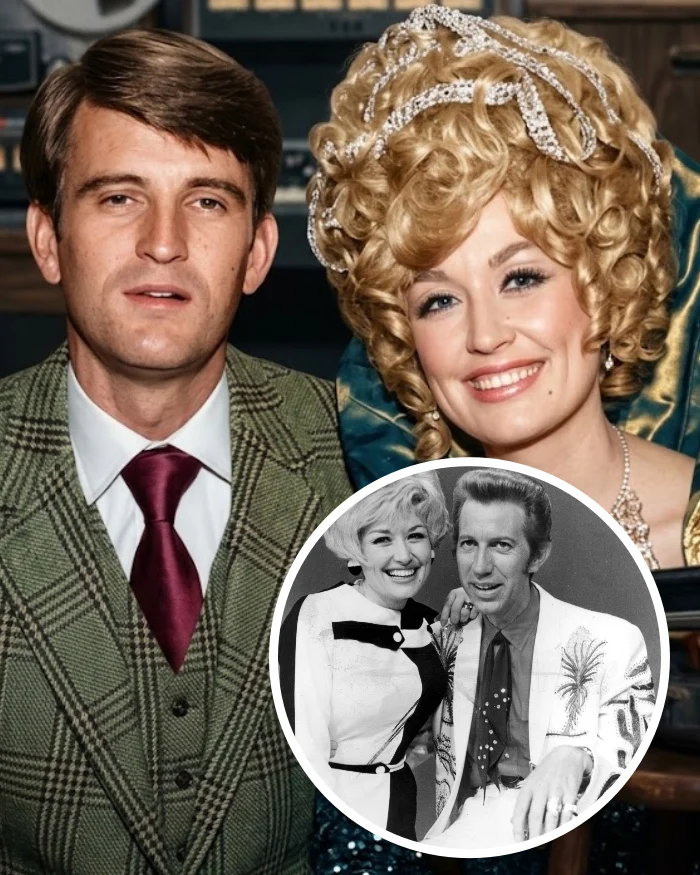
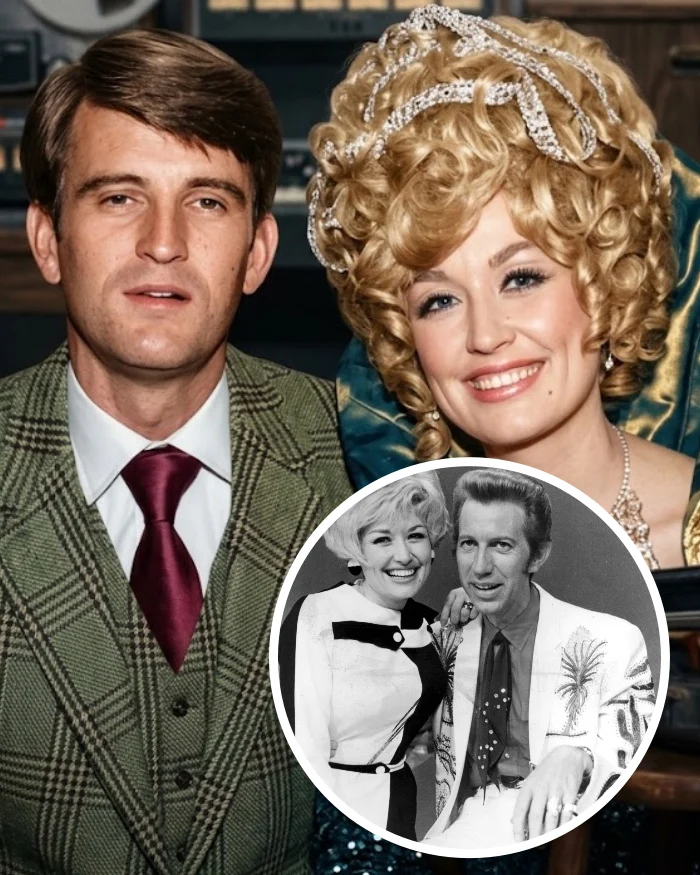
The most powerful moment in that quiet chapter of Nashville history came not from anger. It came from a woman carrying two fears and one promise across a wooden desk.
In 1973, twenty-seven-year-old Dolly Parton sat at home in Brentwood, Tennessee, with an acoustic guitar and a small portable cassette recorder. She captured two rough ideas on one tape. One idea held the ache of watching a local bank teller flirt with her husband, Carl Dean. The other carried a promise made to an eight-year-old fan with green eyes and auburn hair who had asked for her signature.
Those threads became Jolene, a song born from insecurity, memory, and a rapid hypnotic fingerpicking pattern.
Her working life carried a different weight. After seven years as the featured female vocalist on The Porter Wagoner Show, Dolly had outgrown the creative cage she loved. Porter Wagoner was a country music veteran with rigid ideas about her career. Arguments had stalled. Pride had filled the room where understanding should have lived.
She refused to leave in anger. Instead, she wrote I Will Always Love You as a letter of gratitude and release. The next morning, she walked into Wagoner’s office, sat across from his wooden desk, and played the song straight to the man who controlled her career.
When the final note faded, Wagoner was in tears and called it the prettiest song he had ever heard.
He agreed to let her go on one condition. He would produce the track. True to his word, he sat behind the mixing board at RCA Studio B and helped shape a recording that honored the song instead of punishing her for leaving.
Both songs reached number one on the Billboard Country chart. A single cassette tape held the fear of losing a spouse and the courage to claim independence. That afternoon in Brentwood became a remarkable chapter in Nashville history.