
In the summer of 2013, the country music world braced for a devastating silence. A near-fatal stroke and severe aphasia stripped Randy Travis of the unmistakable, mahogany-rich baritone that had earned him seven Grammy Awards. For the man whose voice had single-handedly saved traditional country music in the 1980s, the diagnosis seemed like a permanent curtain call. Many assumed his story would live only on old radio waves. Mary Travis stepped into the heavy silence, becoming his fierce protector and the translator of his soul.
She refused to let his legacy become a museum exhibit. Her mission was to keep the living man present, to protect his dignity, and to carry his music forward without turning him into a digital imitation.
By spring 2024, that mission produced a historic milestone with the release of “Where That Came From.” The song was not an unpolished archived demo. It was a brand-new track, shaped by advanced artificial intelligence technology and close work with producers to resurrect his signature vocal phrasing. Mary monitored every note, breath, and inflection, demanding a recording that carried the authentic emotional heartbeat of the husband she loved.
She would not let technology speak for Randy unless it sounded like Randy.
Her dedication extended far beyond a Nashville studio. Mary became the driving force behind the “More Life Tour,” placing Randy dead center on the stage while his original veteran band and guest vocalist James Dupré carried the melodies. He sits in his wheelchair under a warm, cinematic glow, absorbing the energy of thousands of fans who sing his own hits back to him. The performance is not a hollow comeback. It is a new way to keep him honored, present, and loved.
Mary also serves as co-executive producer for the upcoming biopic “Forever and Ever, Amen,” actively guarding the script so Hollywood cannot alter or dilute the raw truth of his journey from a troubled youth in North Carolina to a global icon. She turned their family’s hardest chapter into a wider mission by establishing the Randy Travis Foundation, offering a financial and medical lifeline for other stroke and aphasia survivors.
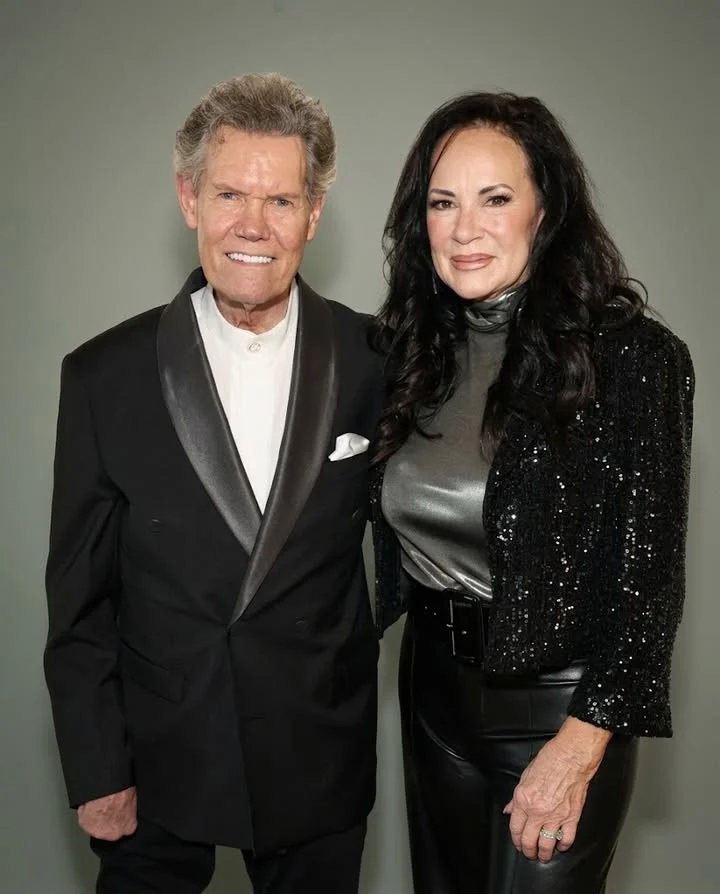
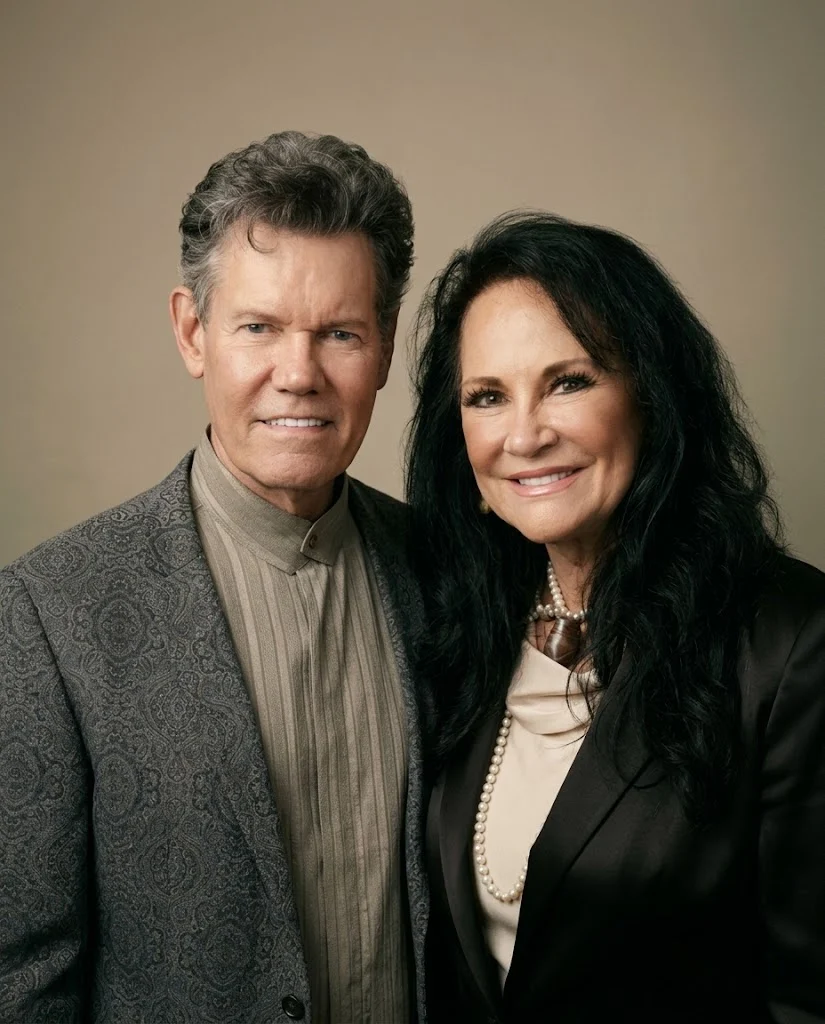
Yet the true weight of this legacy is not found in production credits, new releases, or foundation paperwork. It is found in quiet moments. At every event, Mary stands proudly beside her husband, her face radiant with a joyful and excited smile. She projects pride rather than exhaustion. Randy returns a cheerful, peaceful smile, knowing his life’s work, his name, and his dignity rest in the safest possible hands.
He no longer needs to sing the words to his greatest love song. Every day, through her tireless devotion, Mary is saying “Amen” for him.