
The night before Elvis Presley was scheduled to record one of Dolly Parton’s most tender songs, her manager issued a brutal demand. Colonel Tom Parker wanted half of the publishing rights. Dolly faced a sleepless choice between instant fortune and ownership of a song born from her own heart. She chose herself.
That decision did not begin in a studio. It began years earlier, when an eighteen-year-old girl stepped off a bus in Nashville after graduating high school in 1964. She carried little more than a suitcase, worn clothes, and a notebook full of songs shaped by the Great Smoky Mountains. Music City was controlled by executives who expected young women to look polished, sound safe, and follow a narrow path.
Dolly stood out fast. Her towering blonde wig, bright outfits, and mountain vibrato made her impossible to ignore. Producers gently pushed her to soften the image and simplify the sound. They wanted a familiar country girl, not a bold storyteller from the hills.
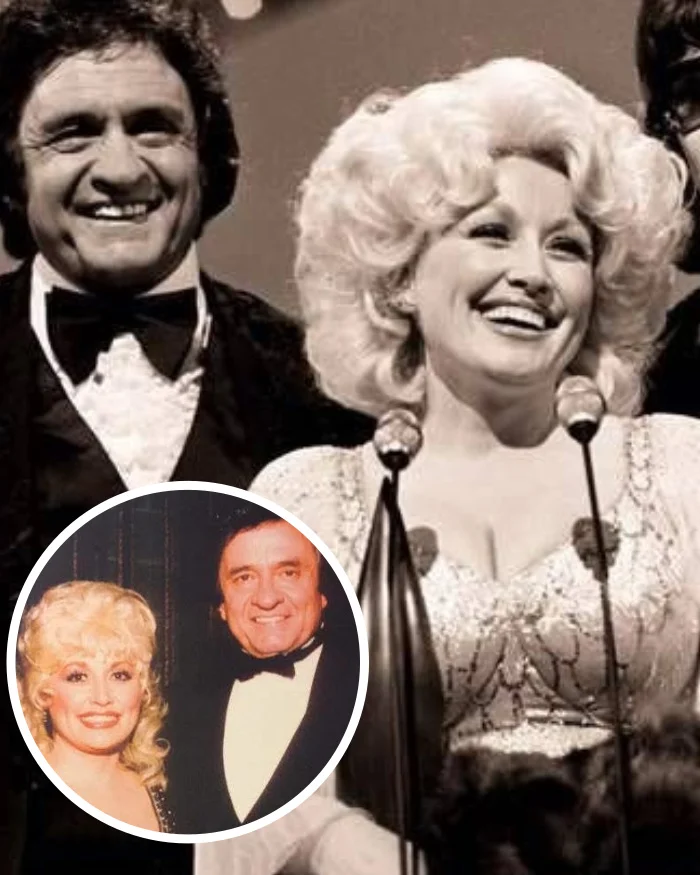
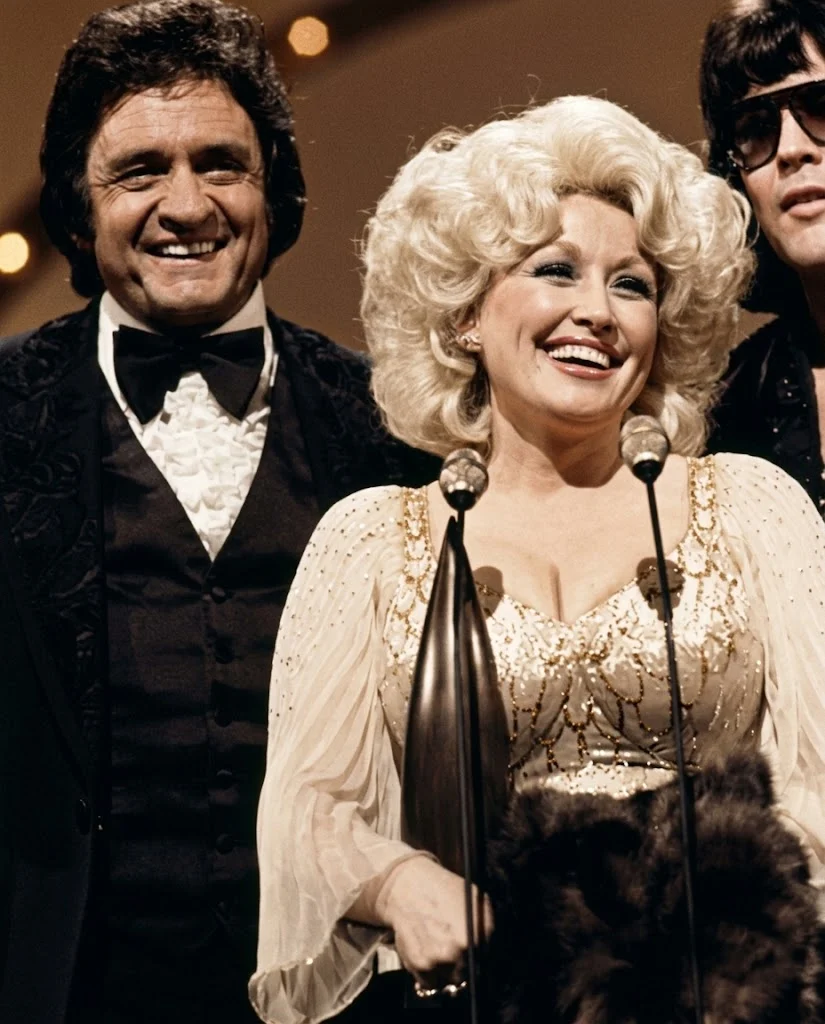
Backstage at the Grand Ole Opry, Dolly met Johnny Cash. The Man in Black had already built a reputation by refusing to smooth away his rough edges. He saw a young songwriter with a distinct personal identity and undeniable talent. Instead of telling her to shrink, he told her to trust herself.
Trust your instincts. Never let anyone change who you are. Do not compromise.
That brief encouragement became a steady compass. By the early 1970s, Dolly had become a major songwriter and a household name through her work with Porter Wagoner. She still wanted to steer her own creative life. In 1974, she wrote two landmark songs on the same day, “Jolene” and “I Will Always Love You.”
The ballad caught the attention of Elvis Presley. The King of Rock and Roll wanted to cut his own version. A studio date promised prestige, radio airplay, and royalties that could have changed her finances overnight.
Then Parker made his demand. He told Dolly that Elvis would not record the song unless she surrendered fifty percent of the publishing rights. It was a staggering ask. Accepting it could have made her wealthy and famous beyond Nashville. Refusing it meant walking away from the biggest star in the world.
Dolly said no.
Years later, that choice became one of the smartest moves in country music history. She kept her song, her voice, her look, and her mountain roots. She also kept a clear memory of the quiet encouragement that helped her stand firm when the pressure was greatest.
Johnny Cash helped a young woman believe that staying true to herself was not a weakness. It was the foundation of an empire.