
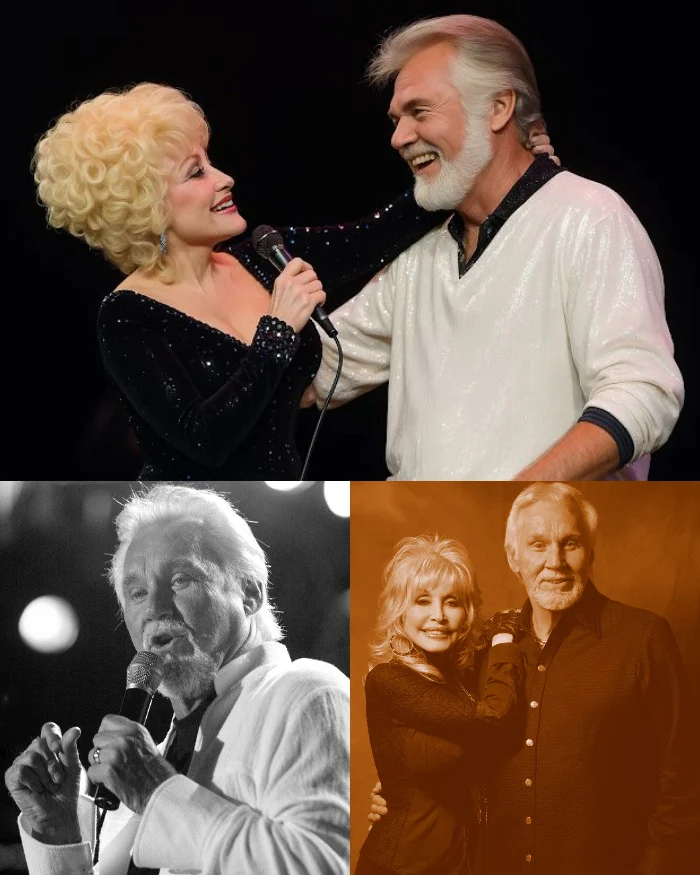
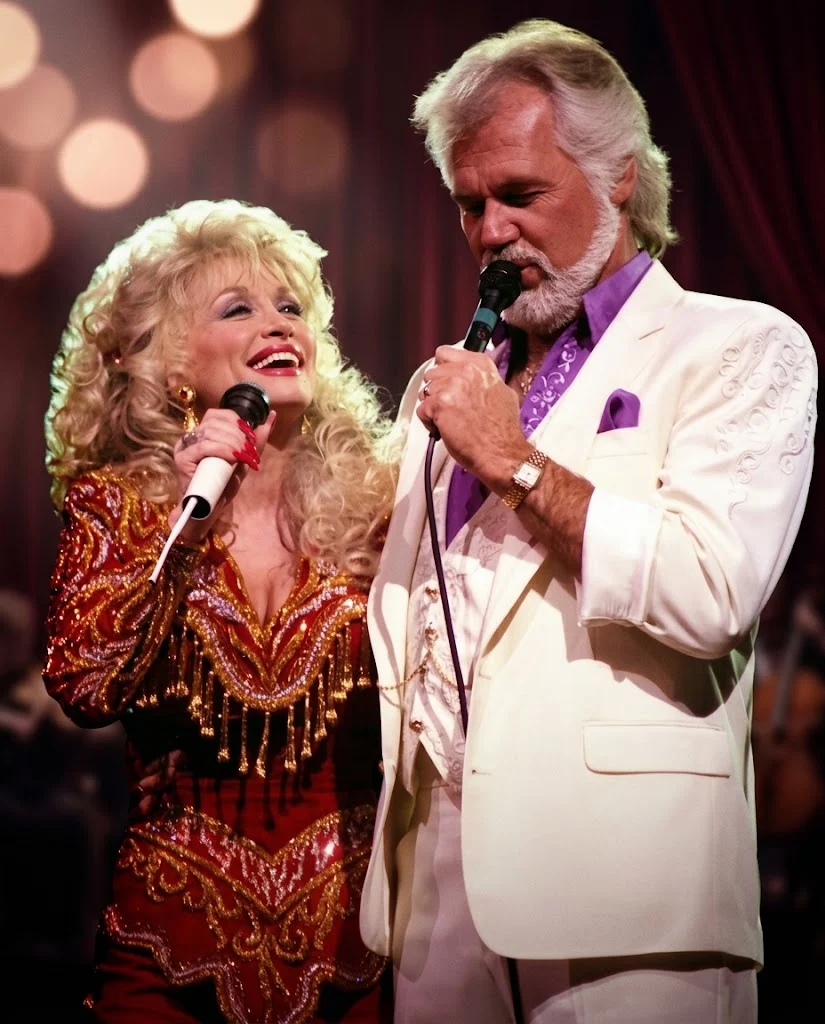
The applause stopped, and the grief arrived through a screen. Kenny Rogers slipped away on March 20, 2020, at 81, while the world was shutting its doors, leaving Dolly Parton to speak his name from a quiet living room.
He died peacefully at his Georgia home with immediate family around him. The early pandemic rules made a public funeral impossible and kept fellow country artists from gathering to honor him.
Parton did not send a polished statement from management. She filmed herself at home, her eyes swollen, holding an old framed photo of the two of them close to her chest.
After decades of sharing huge stages, she faced the camera alone, telling millions of confined fans that a piece of her heart had gone with him. Her voice cracked, and the polished superstar image fell away, revealing a woman mourning her closest musical confidant.
That private video became a shared memorial for country listeners trapped in their own homes, helping them feel the passing of a golden era.
Rogers had spent six decades in music, collected three Grammy Awards, and sold more than 100 million records while crossing country, pop, and adult contemporary formats with a warm baritone.
He and Parton first seized the spotlight together in 1983 with a Bee Gees-penned chart-topper, starting a creative bond that lasted more than three decades.
Because venues closed, flights were grounded, and artists could not travel, Nashville could not host the kind of farewell that once followed its greatest storytellers.
Parton’s home recording became the public heart of that grief. She spoke less as a global star and more as a friend trying to make sense of a loss while comforting families facing their own lonely spring.
Behind the scenes, Rogers’ final months unfolded in private. He had left touring after his star-studded 2017 farewell concert in Nashville and chosen to live away from industry noise.
Under hospice care, his wife Wanda and teenage twin sons Justin and Jordan stayed near him as his health declined. Their presence turned his last days into a family-centered time, not a spectacle.
He traded backstage corridors for kitchen-table conversations, and he faced the end surrounded by the people he loved most.
When news of his death spread, fans returned to radios and remembered the songs that scored road trips, family gatherings, and quiet evenings.
Lionel Richie, Reba McEntire, and other contemporaries paid tribute to his gift for telling human stories with warmth and ease.
The picture of Parton holding that simple frame while speaking into a phone camera became the season’s defining image, a global goodbye made inside a private room.
Rogers had spent a lifetime singing about knowing when to walk away, and he left the stage without unfinished business, giving everything before going home.
His story ended far from roaring crowds, but his presence stayed in living rooms where people still listened and remembered.
“A piece of my heart has gone with him.”