
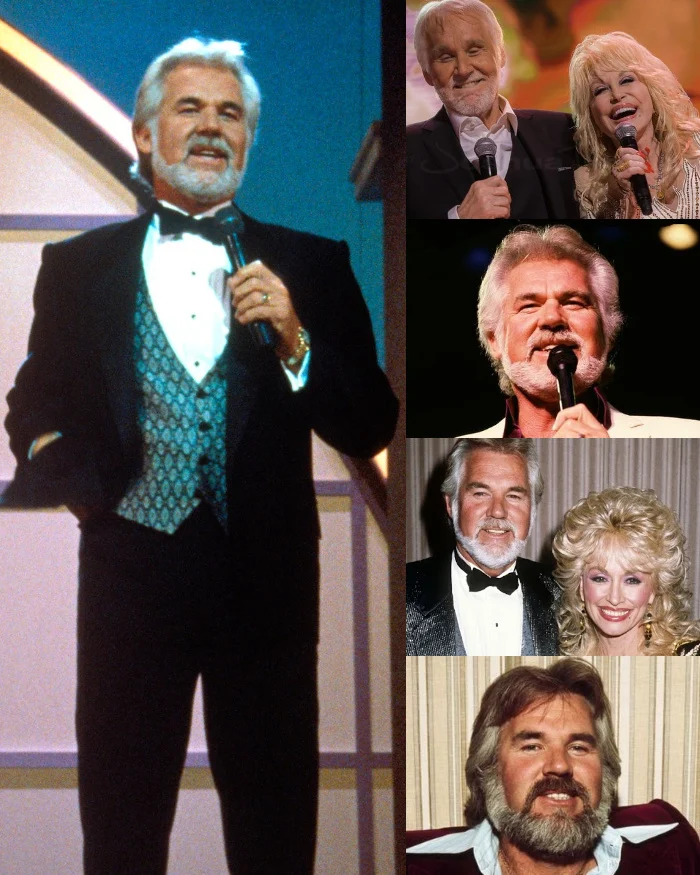
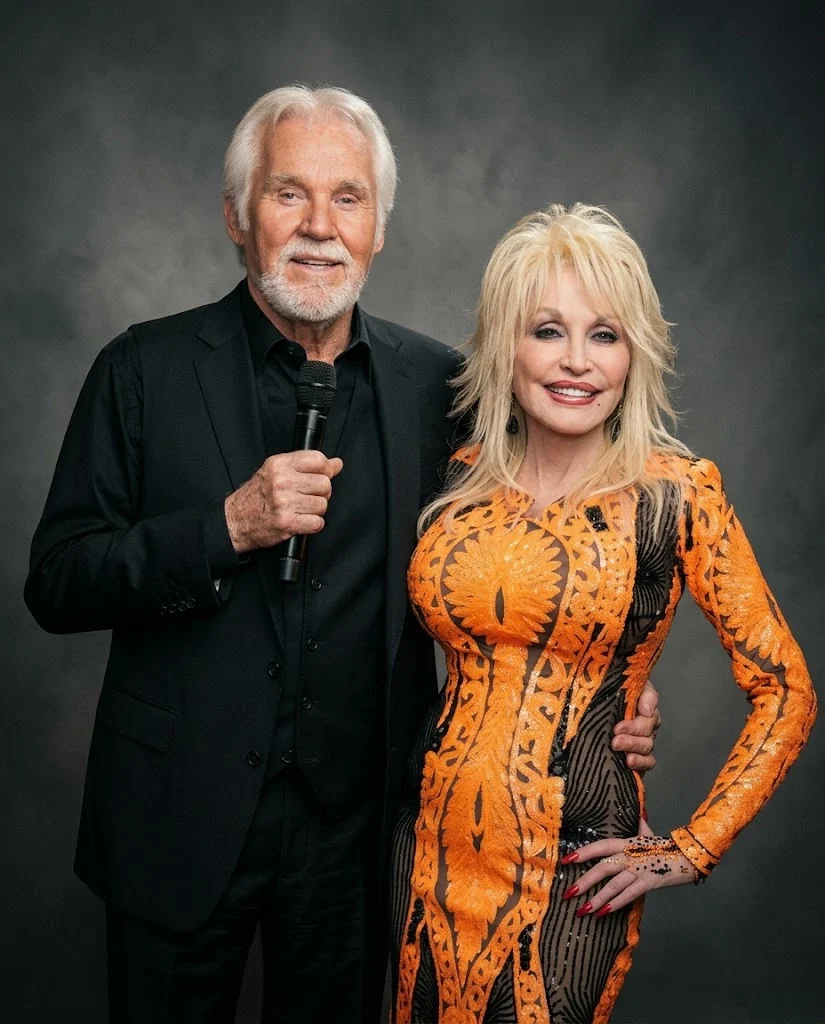
The final bow at Nashville’s Bridgestone Arena in 2018 carried a quiet truth. Kenny Rogers stood beside Dolly Parton and praised her as one of the most important artists of their time. It was a tender echo of a promise he had kept for decades, refusing to let fame flatten her into a joke.
During the 1980s, talk show hosts often leaned on Parton’s image as easy comedy. National broadcasts turned her into a visual punchline while ignoring the thousands of songs she had written. Rogers, fresh from the 1983 hit Islands in the Stream, saw the imbalance and chose to act.
On appearances including The Tonight Show Starring Johnny Carson and CBS network interviews, Rogers redirected live conversations toward Parton’s catalog. He reminded viewers that she had penned thousands of songs, including enduring standards like Coat of Many Colors and Jolene, and belonged among America’s premier songwriters.
She had built a body of work worthy of serious respect, and Rogers made sure audiences heard that message.
Behind the scenes on joint tours, Rogers set firm boundaries with press crews. Reporters who tried to demean Parton’s intelligence or chase cheap jokes faced cancelled access. Tour agreements and production meetings carried the same expectation, giving Parton equal billing and fuller space for her vocal arrangements and instrumental abilities on guitar, banjo, and dulcimer.
When Dollywood opened in Pigeon Forge, Tennessee, in 1986, financial critics openly questioned Parton’s business sense. Rogers was among the first major industry figures to defend her commercial vision, praising her independence and executive instincts while national reporters doubted a country singer could lead a major enterprise.
His support ran deeper than applause. Rogers consulted Parton on business partnerships and creative rights, drawing on lessons from his own early struggles with The First Edition. He treated her as an intellectual equal and encouraged her fierce commitment to retaining full ownership of her publishing catalog.
The private conversations with Nashville executives, the tour contract stipulations, and the backstage confrontations reshaped how the industry approached Parton. Rogers used his standing to demand serious respect for the woman beside him, and their shared history remains defined by that steady protection.