
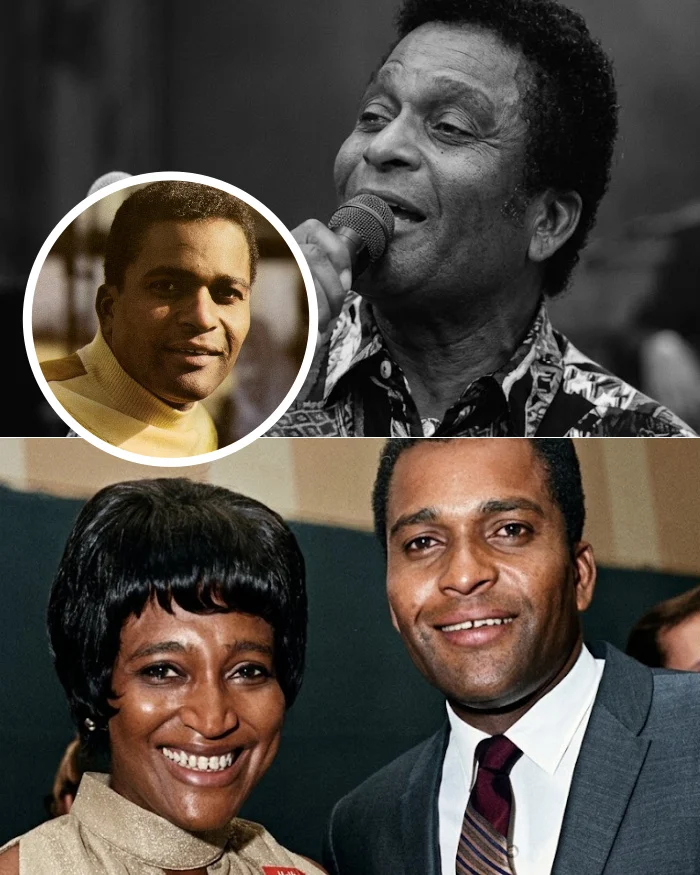
November 2020 inside the Country Music Association Awards, the lights glowed softly as Charley Pride stepped onto the stage one last time at 86. The room felt hushed. Everyone knew they were watching a gentle farewell rather than just another performance.
He began Kiss an Angel Good Mornin’. The melody arrived warm and easy. It did not sound like a protest. It did not need to. Decades earlier that same simple song had forced a segregated industry to listen.
A Black man born to sharecroppers in Mississippi became a voice pouring out of country radios across America.
Charley Pride was born in Sledge, Mississippi. He grew up as one of eleven children in a sharecropping family. Hard work shaped his childhood. Baseball was his first dream. He played professionally for years before music pulled him toward a different life.
When he reached Nashville, the city was cautious. RCA Records feared country stations might reject him once listeners learned he was Black. Early album covers kept his face hidden. Some promoters introduced him nervously before shows. The industry wanted the voice without the face.
The music refused to stay anonymous. In 1971 Kiss an Angel Good Mornin’ climbed to Number One on the country charts. It crossed into pop radio and sold more than a million copies. Families who had never imagined a Black country star sang along before their doubts could catch up.
Country music finally had to look him in the eye. The Country Music Association named him Entertainer of the Year. He reached that place without turning his pain into a public weapon. He carried songs instead of speeches.
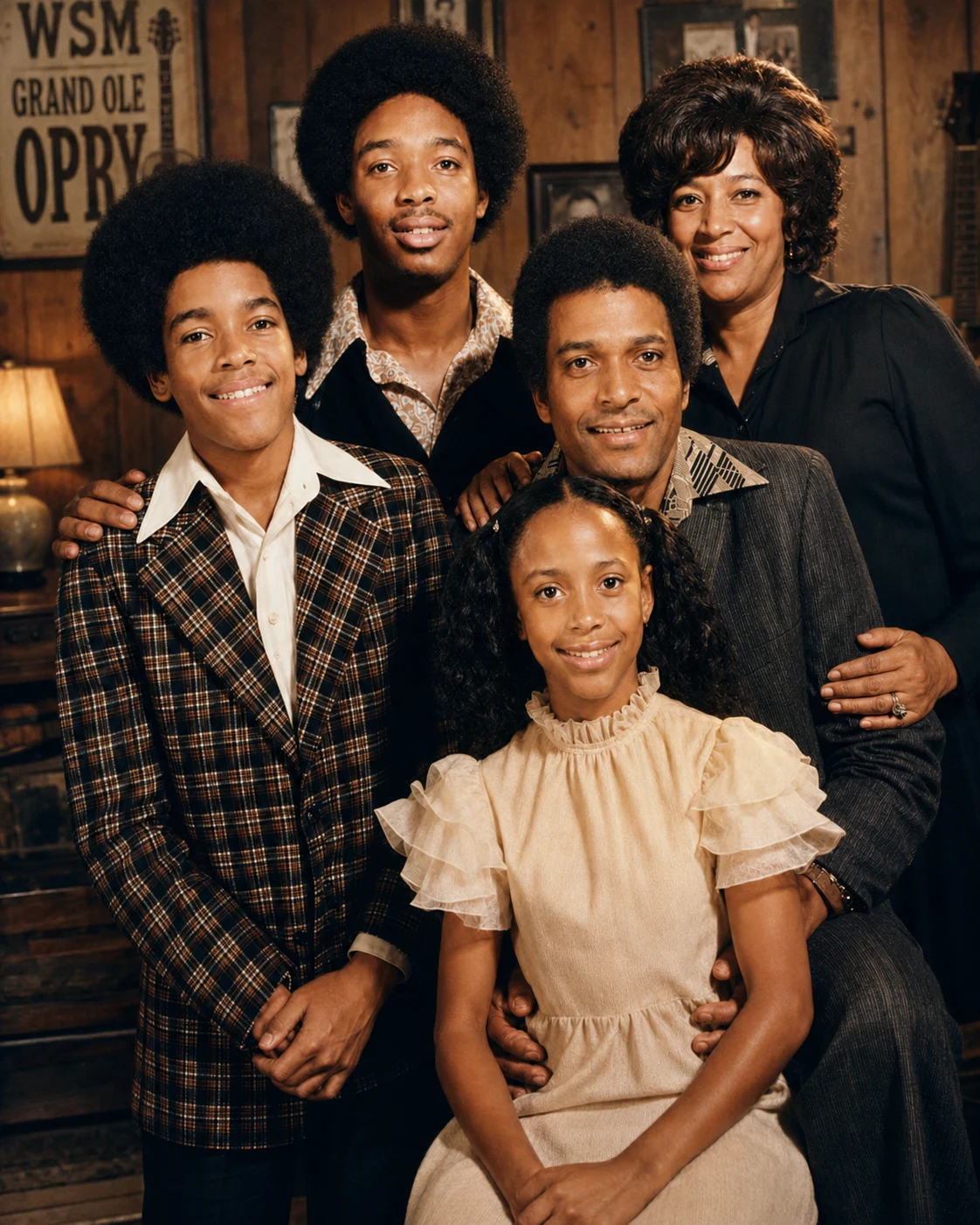
His wife Rozene stayed beside him through tiny clubs, long drives, cold receptions, and doors that opened slowly. Her loyalty anchored a story that depended on quiet endurance. Charley understood the pressure of proving himself again every night. He let warmth remain in his voice.
At 86 under the bright lights, he looked peaceful. He sang the signature hit like home. No grand speech followed. No emotional farewell. Only applause rose around a man who had already changed American music.
He sang as a man who spent a lifetime quietly proving that American music belonged to everyone.
Three weeks later, Charley Pride was gone. The final performance felt even quieter after that. It was the last page closing gently.
Kiss an Angel Good Mornin’ still lingers because beneath its easy melody lives the story of a man who changed country music not by demanding acceptance but by singing so truthfully the world eventually had no choice but to listen.