
Heed the Call does not preach from a pulpit. It speaks from a porch. It makes moral courage sound like something ordinary people can do together.
The observation frames a song that has quietly transformed into a cultural utility. A friend once played it over a slideshow at a neighborhood fundraiser. By the second chorus, people who had never met were singing harmonies as if they had practiced for weeks. A late night radio host keeps it cued for snowstorm coverage. It frames hard news with calm resolve instead of sirens. This is not a relic of a single year. It is a tool for many years.
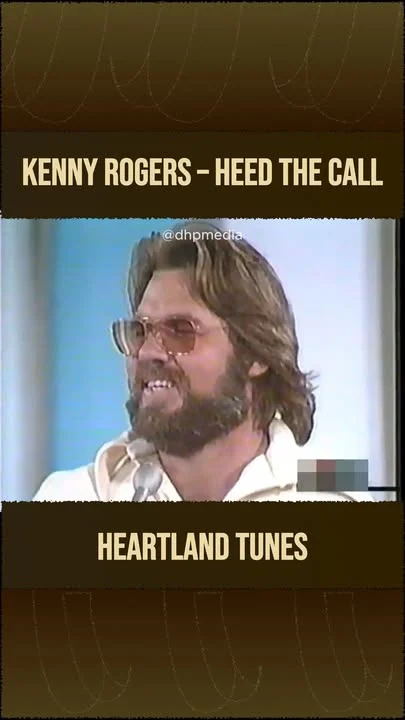
Kenny Rogers and the First Edition released the track in 1970 on Reprise. It arrived on the album Tell It All Brother. The group had already crossed from psychedelic pop into country rock. They earned space on playlists that did not often mix. Rogers produced the record with Jimmy Bowen. Larry Cansler arranged strings in places. The track moved into the Top 40 pop chart. It signaled a song traveling across formats.
Kin Vassy wrote the song. The lyrics invite group singing. They avoid slogans. The lines have the clarity of a banner and the cadence of a campfire hymn. The song compresses a sentiment of community into a framework that feels natural. The hook does not shout at you. It beckons. This is a civics lesson disguised as a singalong.
Listen to the band dynamics. The rhythm section moves with a pulse that is neither aggressive nor restrained. Drums give urgency without bulldozing the vocal blends. Electric bass places downbeats like guideposts. The whole track breathes. This is a harmony showcase. Rogers leads at the center. His voice is gravel and velvet. The First Edition knits around him in luminous thirds and fifths. The sound is a civic chorus rather than a star and sidekicks arrangement. When the hook repeats, the upper voices tilt gently. It feels like a field being swept by light. Try a small listening exercise. Focus on the consonants of the group vocal near the end. The h in heed leaves a soft exhale. The l in call is held a fraction longer. These choices turn language into rhythm. This is where communal singing lives.
The arrangement splits the difference between folk country earthiness and radio sheen. Acoustic strums provide a steady grain. Hand percussion flickers at the edges. A restrained backline adds contour without stealing focus. The snare drum has a crisp and papery attack. It sounds like a quick page turn. The bass sustains just long enough to round each measure. Guitars trace the chords with friendly insistence. A keyboard figure appears like a helping hand. Nothing in the mix feels airless. There is a gentle gospel aroma in the block harmonies. Popular music in 1970 often borrowed that Sunday morning lift to make Saturday night radio feel like an open door.
Jimmy Bowen had a knack for commercial clarity. The recording is not purely dry and tight. It carries a modest ambience. It sets the listener a few rows back from the singers. You feel near enough to feel the breath. Far enough to sense the room. The mix has room reverb. The voices and percussion breathe. It feels like a space designed for togetherness. Larry Cansler handled strings on the LP. He favored supportive swells rather than syrup. The record chart action in the Top 40 shows that radio programmers heard an anthem. It could sit beside AM gold without sounding preachy. That is a miracle in a turbulent year.
The band shows immense restraint. There is no gratuitous soloing. The goal is not to turn a community anthem into a virtuoso spotlight. A lead line peeks out only to underline the harmony. This discipline pays off. The song feels shorter than it is. Nothing distracts from the arc. The track shows up on later compilations. Listeners sometimes mistake it for a solo Rogers cut from the late 1970s. It is not. It belongs to the First Edition era. It reflects a band identity even as it foreshadows the steadiness of Rogers later hits. The group sound matters. This is a single leader with a band choir.
A college class taught me the song staying power. Most students were born decades after 1970. They snapped into focus the moment the refrain hit. They recognized the posture. Show up. Help out. Hold the line. The album Tell It All Brother sits between other First Edition releases. The LP creates a conceptual spine. The title track offers a confessional tone. Heed the Call answers it with a communal register. Telling the truth is step one. Showing up is step two.
I sometimes call it a civic carol. It carries the same ritual invitation. Gather. Sing. Remember who you are to one another. In an era of atomized playlists, this song suggests a larger table. The contour of the melody keeps that table sturdy. The balance of the mix keeps it sturdy. The mark of a durable single is whether it can absorb new circumstances. Heed the Call does this. It keeps its shape while accepting our times. The invitation remains fresh. Do the next good thing with whomever is beside you. This is not just nostalgia. It is an instruction.