
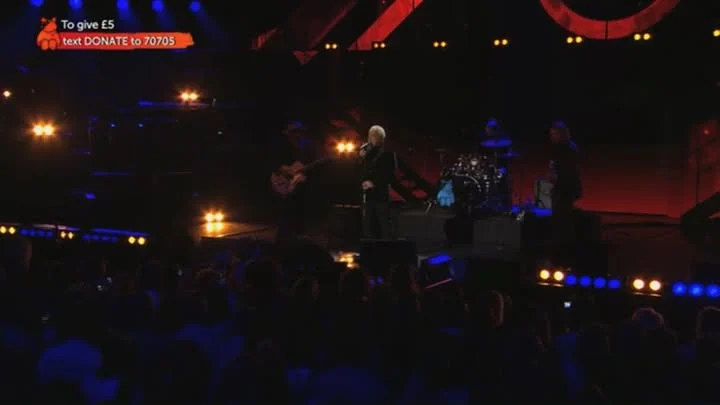
There is a moment in Tom Jones’ rendition of “What Good Am I?” when his voice cracks with a weariness that sounds like a lifetime of second guesses. It arrives just after the guitar and piano have settled into their quiet conversation, and Jones asks, almost to himself,
“What good am I if I know and don’t do?”
It is not a rhetorical question. It is a confession, delivered with the kind of soul‑searching intensity that makes you stop whatever you are doing and listen. That moment, raw and unguarded, is the heart of an album that redefined what a pop icon could sound like at 70.
Praise & Blame, released in 2010, was not the record anyone expected from the man who once made “It’s Not Unusual” a global anthem. Stripped of the orchestral grandeur and showmanship that defined his earlier work, the album leaned into a world of blues, gospel, and Americana. Produced by Ethan Johns, whose credits include Ryan Adams and Kings of Leon, the sessions were recorded live with minimal overdubs. The result was an intimacy that bordered on confrontational. No gloss. No safety net. Just Jones’ voice, a slightly weathered but still mighty instrument, carrying the weight of every lyric. “What Good Am I?” stands as the album’s most aching moment, a cover of a Bob Dylan song that feels less like a performance and more like a prayer.
The arrangement is a masterclass in restraint. A single acoustic guitar opens the track with a delicate fingerpicked pattern, each note hanging in the air as if unsure whether to proceed. Then a piano enters, playing a sparse countermelody that echoes the guitar’s hesitance. The two instruments never compete; they support each other, creating a sonic space so quiet you can hear Jones inhale before he sings. Percussion is almost absent, save for a few cymbal washes that underline the most devastating lines. This is not a song that demands attention. It earns it through vulnerability.
Dylan wrote the original as a meditation on moral accountability, a series of unflinching questions about empathy and action. But Jones inhabits the lyric as if it were his own memoir. When he sings
“What good am I if I say what I think / And it all comes out wrong?”
he transforms the words into a lived experience. His voice, deeper and grainier than in his youth, carries a seasoned regret that Dylan’s younger, more cryptic delivery could not quite capture. It is the difference between writing about regret and carrying it with you every day.
The song’s thematic pull is timeless. In an age where talk often substitutes for action, Jones’ version forces the listener to sit in the discomfort of unanswered questions. It is not a comfortable listen, but it is an essential one. The production, with its intentional sparseness, refuses to offer any distraction from the moral weight of the lyrics. Every breath, every pause, every slight waver in Jones’ tone becomes part of the narrative. It is the kind of recording that feels like it was captured in a single take, because anything more polished would have broken its spell.
For those moved by “What Good Am I?”, the song sits in a lineage of similarly stark, introspective performances. Johnny Cash’s cover of “Hurt” shares its raw confession, as does Jeff Buckley’s “Hallelujah” in its restrained verses. Eric Clapton’s acoustic reading of Dylan’s “Don’t Think Twice, It’s All Right” offers the same blend of sparse guitar and emotional weight. And The Band’s “The Weight”, with its soulful harmonies and questioning lyrics, travels a similar spiritual road. Each of these tracks, like Jones’ rendition, proves that the most powerful music often comes from the quietest places.
In the end, “What Good Am I?” is not just a standout on Praise & Blame. It is a statement about artistic reinvention, a reminder that true talent does not age but deepens. Tom Jones, once the king of stadium‑filling pop, found new meaning in a small, nearly silent room with a guitar and a piano. And by leaning into his own vulnerability, he created something that will haunt and comfort listeners long after the final chord fades. It is a song that does not ask for applause. It asks for reflection.