
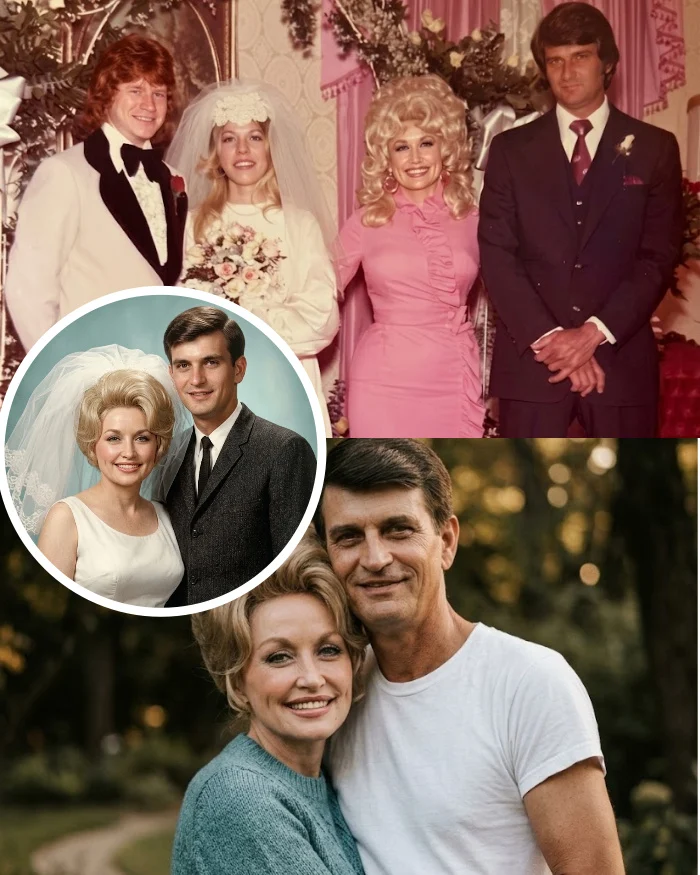
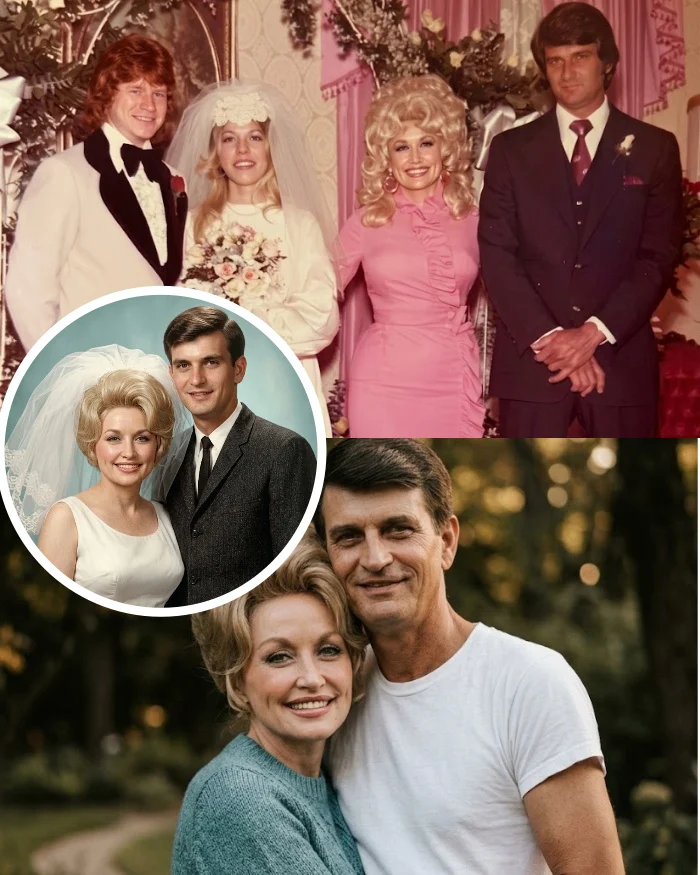
A white lace dress and two plain bands became the quiet rebellion of a twenty year old singer who refused to choose between love and a career. On Memorial Day, May 30, 1966, Dolly Parton slipped out of Nashville and crossed into Ringgold, Georgia, leaving behind reporters and Monument Records executives who warned that marriage could end her debut before it reached store shelves.
She had signed with Monument Records under label head Fred Foster and was preparing her first full length project. Behind closed doors industry advisers insisted single country singers sold more records and a wedding would destroy the image they wanted to market.
Dolly chose defiance in the passenger seat of Carl Dean’s Chevrolet. The twenty three year old Carl drove south because Tennessee newspapers routinely published marriage license applications and a local notice would have alerted Music Row.
Her mother, Avie Lee, had sewn the simple white lace dress by hand late into the night in their mountain cabin. A tiny matching bible rested in Dolly’s lap as the small group entered Ringgold Baptist Church.
Pastor Don Duvall spoke the vows with only Avie Lee and the pastor’s wife present to bear witness. There was no reception, no tiered cake, and no honeymoon. After exchanging plain bands, the three stopped at a roadside diner for a quick meal before turning the car back toward Tennessee.
She returned to rehearsal studios and promotional appearances with a wedding ring hidden and a secret that could have changed everything.
For the rest of that summer Dolly maintained the public illusion of being unmarried. When visiting Monument Records or meeting radio programmers, she kept her ring off her finger or safely hidden in her purse. The couple lived quietly in a modest Nashville home while Carl continued running his asphalt paving business and stayed away from studio corridors and publicity interviews.
The secret held through the buildup to her 1967 debut album, Hello I’m Dolly, while trusted friends understood what was at stake. Label executives learned about the union only after the record was established and Dolly was well on her way to joining The Porter Wagoner Show, proving that her talent rather than her marital status defined her commercial appeal.
At an early industry banquet in 1966, Carl watched the manufactured glad handing of Music Row and told Dolly he would always support her dreams but never wanted to walk another red carpet. Dolly respected that boundary, and Carl never wavered.
Over nearly six decades together, he remained entirely outside the celebrity machine. While Dolly traveled the globe and built a sprawling business empire, their home remained a sanctuary where fame was not allowed inside the front door. In May 2016, fifty years after their quiet trek to Georgia, the pair returned to the altar for a private vow renewal.
The tiny church in Ringgold still stands as a testament to a young singer who chose love while the music industry demanded a single star, and the small compromises of that first Nashville summer remain a chapter few fans have explored.