
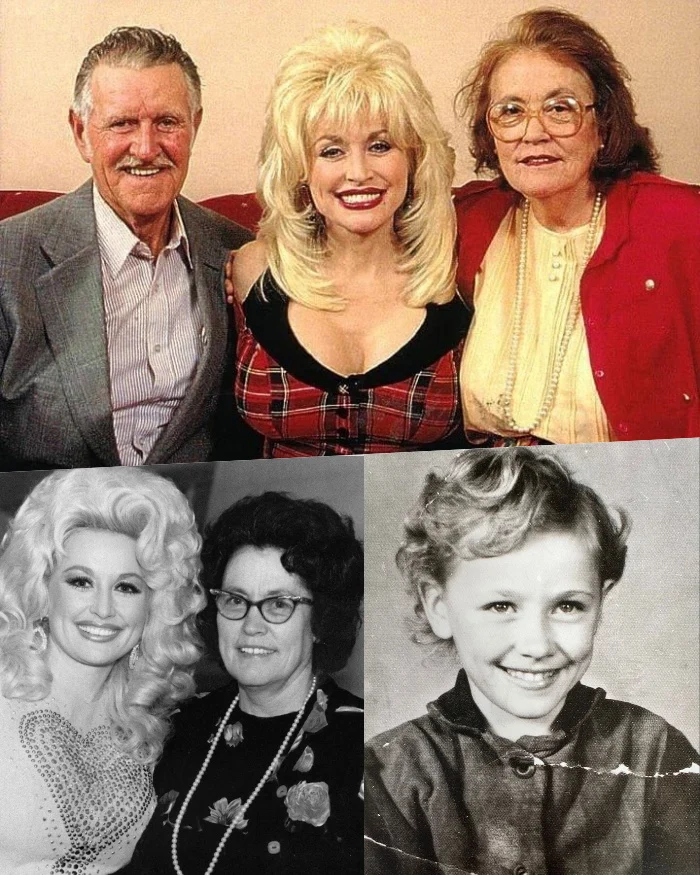
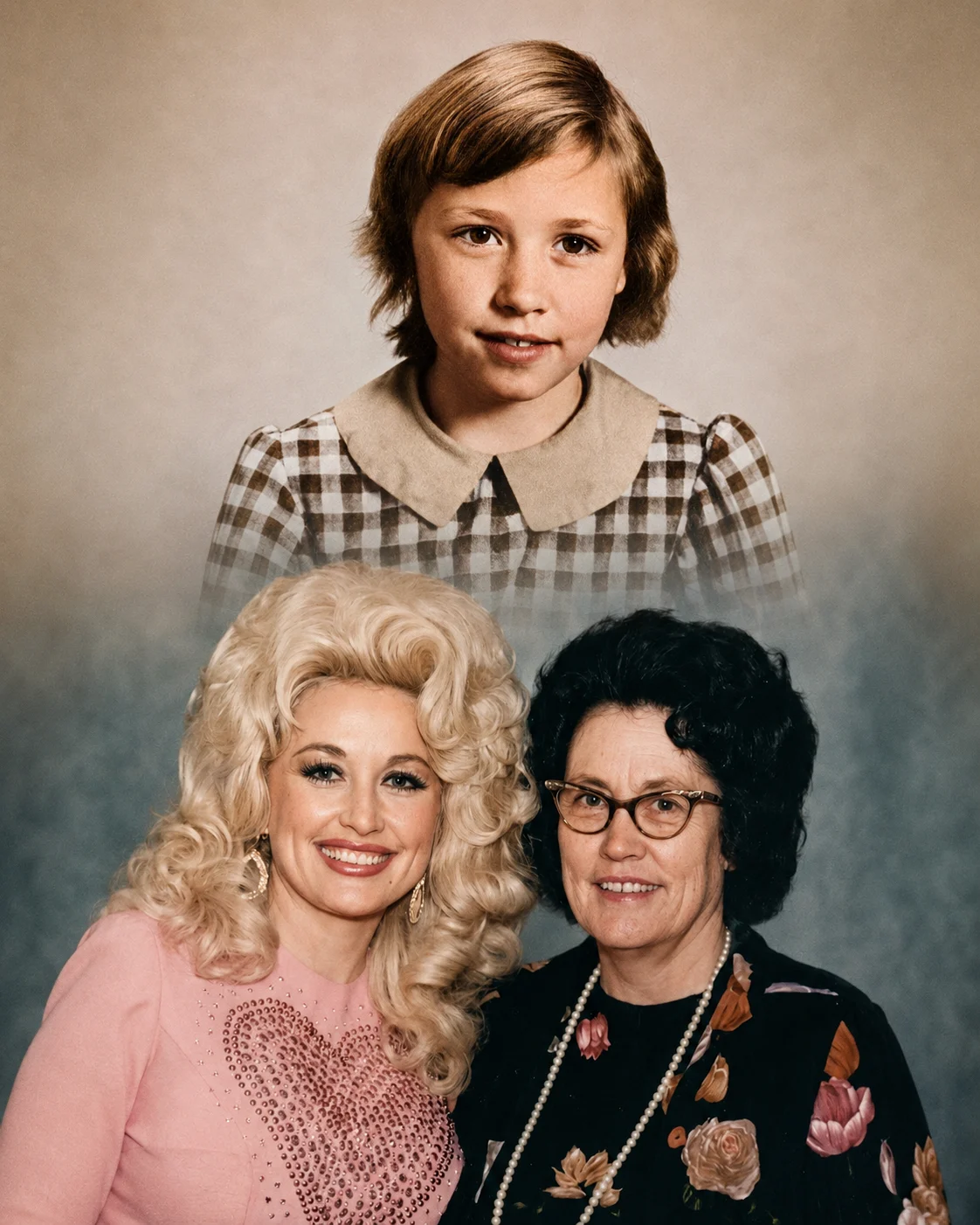
Long before Dolly Parton wore rhinestone heels on world stages, a broken mason jar turned a childhood game into a terrifying fight for survival when she was six years old and running through the dirt yard.
At the cramped one-room Parton family cabin in Locust Ridge, Tennessee, medical care felt impossibly far away for a family surviving on small scale farming in the early 1950s. There was no cash for a doctor and no quick way to reach a clinic before blood loss became critical. Her father, Robert Lee, held her down on the wooden floor. Her mother, Avie Lee, closed the wound with a regular sewing needle and household thread. They cleaned the torn skin with kerosene and packed it with cornmeal.
No anesthesia softened the agony. No ambulance raced through the Appalachian hollow. The crude stitches held, and the foot healed without infection, sparing her from permanent mobility damage.
Parton did not frame that afternoon as shame. She saw it as proof of her parents’ fierce courage. That memory followed her to Nashville in 1964 and shaped the way she used success later.
Every step she takes on international stages traces back to the rough thread her mother pulled that afternoon
Decades later, the survivor of that wooden floor surgery helped build the modern Covenant Health LeConte Medical Center in Sevier County. She used her financial power to donate millions of dollars to Sevier County and directed resources through the Dr. Robert F. Thomas Foundation, named after the physician who delivered her. She also used Dollywood benefit concerts to funnel ticket revenue into local healthcare expansion.
The result was more than charity. It was a strategic plan. She became a primary benefactor of regional healthcare infrastructure. The hospital gained a state of the art emergency department and the Dolly Parton Center for Women and Infants, giving families the critical care Avie Lee once lacked.
Today, top tier medical professionals and modern surgical equipment serve a valley where her family once stitched wounds with thread, kerosene, and cornmeal. She wanted no local family to face that kind of medical isolation again. The child who could barely walk became the architect of a healthier hometown.