
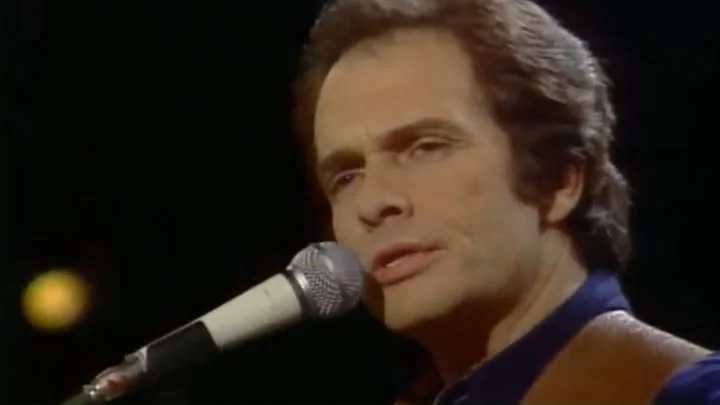
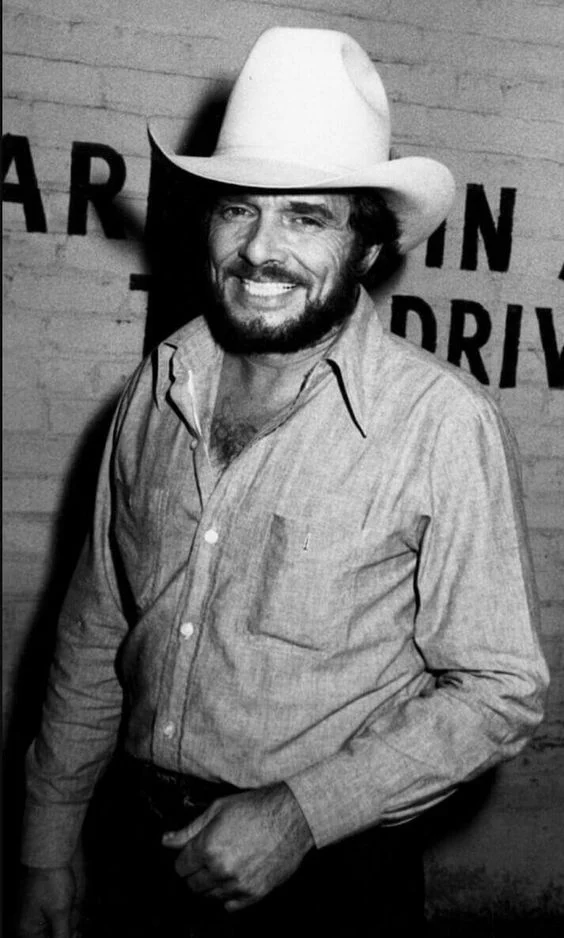
The most haunting journeys rarely require a physical step In Merle Haggard’s 1967 classic “Sing Me Back Home” a condemned man’s final wish drifts through a cold cellblock
Won’t you sing me back home
He does not bargain for a reprieve He asks for a song that smells like cut grass and tastes like summer A fellow inmate becomes the unlikely vessel for this mercy singing him back to a place untouched by time or judgment
The track which lent its name to the album showcases Haggard at his peak as a storyteller He throws the listener into the cell not as a spectator but as a witness to a blunt act of grace The stripped down arrangement ensures that every word lands heavy and true
What elevates this ballad beyond a typical country tearjerker is its refusal to blink There is no last minute phone call No governor pardon Just a voice rising in the dark as a final kindness This stark reality paired with an aching melody transformed the single into a cornerstone of Haggard’s legacy a testament to his role as the poet of the working class and the inmate who created an anthem from a dime store tragedy
Decades later “Sing Me Back Home” endures because it captures a universal truth Music can offer a bridge across any divide It speaks to redemption not as a grand flash of light but as a quiet shared note For fans across generations it remains a masterclass in emotional economy a song that trusts its audience to carry the weight long after the needle leaves the groove