
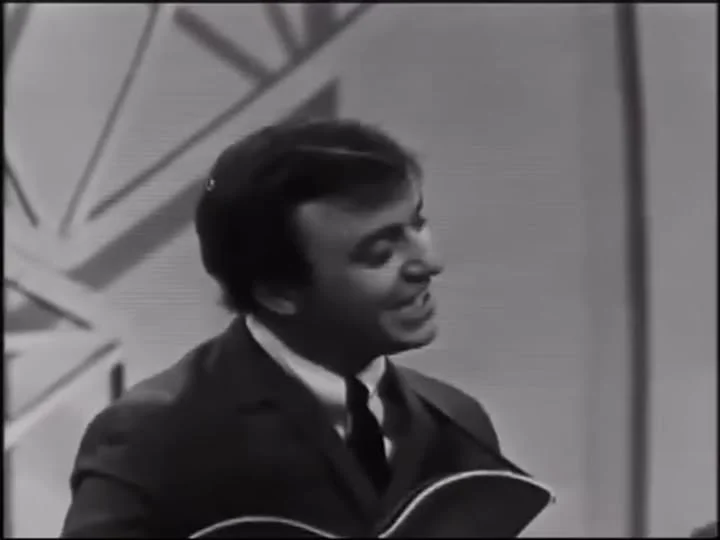
Stand at the Liverpool waterfront when the ferry bell rings and the mist rolls off the Mersey. In that moment a song floats through the air it carries decades of pride heartache and homecoming. Gerry Marsden captured that exact feeling in 1964 with a ballad that became more than a hit it became a living symbol of a city.
The tune called Ferry Cross the Mersey arrived at a time when Liverpool was already shaking the world through the Merseybeat sound. Gerry and The Pacemakers shared that stage with The Beatles and under the management of Brian Epstein they achieved a remarkable feat their first three singles all hit number one in the UK. The band itself was built around brothers Gerry and Fred Marsden along with Les Chadwick and Les Maguire. They were a tight unit that understood the pulse of a working port city.
The song was written specifically for a film of the same name a project that emerged in the wake of A Hard Day Night. Inside that movie the camera follows the band through the streets and docks of Liverpool and the song serves as both a theme and an emotional anchor. What started as a soundtrack piece quickly became an unofficial anthem for a community.
The opening lines of the song reveal something raw and honest
Life goes on day after day hearts torn in every way
Those words drop the listener straight into the collective experience of a city that has seen both immense prosperity and deep struggle. Marsden delivers them with a tenderness that feels almost vulnerable and that sincerity is what makes the lyrics transcend simple nostalgia. The chorus brings the central image
So ferry cross the Mersey cause this land s the place I love and here I ll stay
In a few short phrases the Mersey River stops being a body of water and becomes a thread connecting every Liverpudlian to their history. The ferry itself is not just a boat it is a symbol of continuity of movement that always returns to home. For generations the river was a lifeline for trade and travel and its constant presence in the song grounds the emotions in a real place.
Musically the track is a departure from the usual upbeat rock of the early sixties. Instead of pounding drums and electric guitars the arrangement leans into a soft orchestral feel with lush strings that wrap around Marsden s voice. The production echoes the elegance George Martin brought to Beatles ballads like Yesterday. There is no rush here the music breathes and allows the words to settle into the listener s chest. The gentle rhythm mirrors the slow churn of the ferry s engine across the water.
Over the decades the song has taken on extra layers of meaning. In 1989 after the Hillsborough disaster Gerry Marsden re recorded the track with a group of artists to raise funds for the victims families. In that version the lyric about staying where you love became a defiant cry of solidarity for a grieving community. The song no longer just celebrated Liverpool it held the city up when it was falling apart.
What makes this song endure is not just its local pride but its universal pull. Anyone who has ever felt a deep attachment to a place understands the ache in Marsden s voice. The ferry becomes the vehicle for every journey away and every return home. It is a melody that wraps itself around memory and refuses to let go.
More than sixty years after its release Ferry Cross the Mersey remains a quiet powerful force. It does not shout for attention it waits by the riverbank and invites you to listen. And if you ever hear it while standing on that Liverpool pier you will feel exactly what Gerry Marsden meant when he wrote about the land he loved and the place he would always stay.