
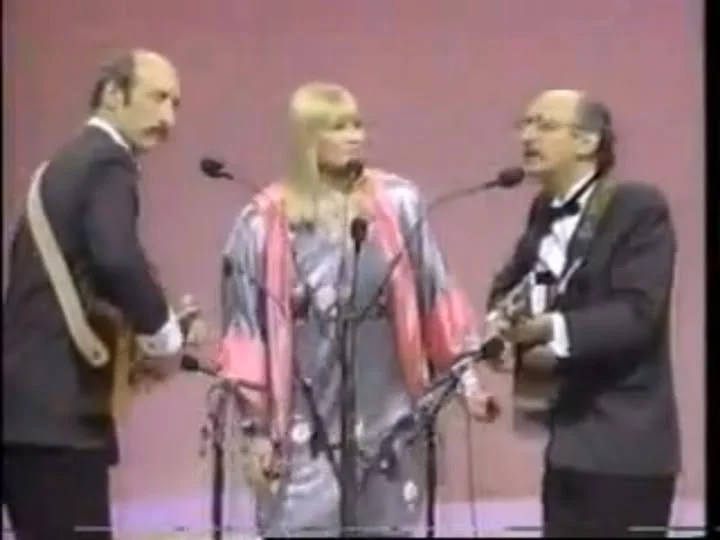
There is a moment in Puff the Magic Dragon where the innocence of childhood crystallizes into a melody so tender it feels like a lullaby for the soul. Released in 1963 on the debut album Peter, Paul and Mary, this song by the iconic folk trio has become a touchstone for generations. On the surface, it tells the story of a boy named Jackie Paper and his dragon friend Puff. But beneath the whimsical verses lies a profound meditation on the loss of wonder and the bittersweet passage of time. The song does not simply entertain. It invites listeners to pause and remember a world where magic felt real.
Peter, Paul and Mary built their reputation on harmonies that could soothe or stir, and Puff the Magic Dragon showcases their ability to weave complex emotions into accessible sound. The arrangement begins with a gentle acoustic guitar, its warm strums setting a pastoral tone. A delicate piano enters, adding subtle layers that mirror the song’s nostalgia. The voices of Peter Yarrow, Paul Stookey, and Mary Travers blend with a soft, dreamlike quality that makes the story feel both intimate and universal. Every instrument serves the narrative, never overwhelming the lyrics. This restraint is a hallmark of the folk genre, and the trio executes it with masterful grace.
The song’s meaning runs deeper than a simple children’s tale. Written by Leonard Lipton and set to music by Peter Yarrow, Puff the Magic Dragon explores the inevitability of growing up. Jackie Paper eventually loses his sense of fantasy, leaving Puff alone in the cave. This narrative touches on the fragile nature of imagination and the quiet sadness that accompanies maturity. Yet the song does not dwell in melancholy. It offers a gentle reflection on the beauty of memories and the importance of cherishing childhood moments. Some have speculated about hidden political messages, but the primary theme remains the bittersweet journey from innocence to experience.
Puff the magic dragon lived by the sea
This line, repeated like a mantra, captures the essence of the song. It evokes a world where dragons are real and adventures never end. The trio’s interpretation adds a layer of emotional truth, making the listener feel the loss as if it were their own. The guitar and piano work in concert, creating a sonic landscape that is both simple and rich. The result is a piece that feels timeless, a snapshot of an era when folk music served as both entertainment and emotional catharsis.
The album Peter, Paul and Mary marked the beginning of a remarkable career. The group became synonymous with the 1960s folk revival, using their voices to address civil rights, peace, and love. Songs like Blowin in the Wind and If I Had a Hammer became anthems for a generation. Yet Puff the Magic Dragon stands apart. It does not protest or preach. Instead, it whispers a universal truth about the cost of growing up. The trio’s ability to move seamlessly between social commentary and personal storytelling defined their legacy.
For those enchanted by Puff the Magic Dragon, several other songs offer a similar warmth and introspection. Blowin in the Wind by Bob Dylan uses simple imagery to explore profound questions, much like the dragon tale. The Sound of Silence by Simon and Garfunkel captures a haunting loneliness that resonates with the song’s theme of lost connection. Where Have All the Flowers Gone by Pete Seeger reflects on time and loss with a gentle melody. The Rainbow Connection by Kermit the Frog shares the same wonder and innocence, a whimsical nod to childhood fantasy. And This Land is Your Land by Woody Guthrie offers an upbeat yet grounded folk anthem that celebrates shared experience. Each of these tracks echoes the emotional depth and musical honesty found in Peter, Paul, and Mary’s masterpiece.
The legacy of Peter, Paul and Mary extends far beyond one song. They helped define the sound of American folk music, influencing countless artists who followed. Their use of acoustic guitar, piano, and occasional banjo created a signature style that felt both authentic and accessible. With Puff the Magic Dragon, they crafted a piece that continues to resonate with audiences young and old. Whether heard for the first time or the hundredth, the song retains its power to evoke a sense of wonder and a touch of sorrow. It is a reminder that even as we grow older, the magic of childhood never truly disappears. It simply waits, like Puff, for someone to remember.