
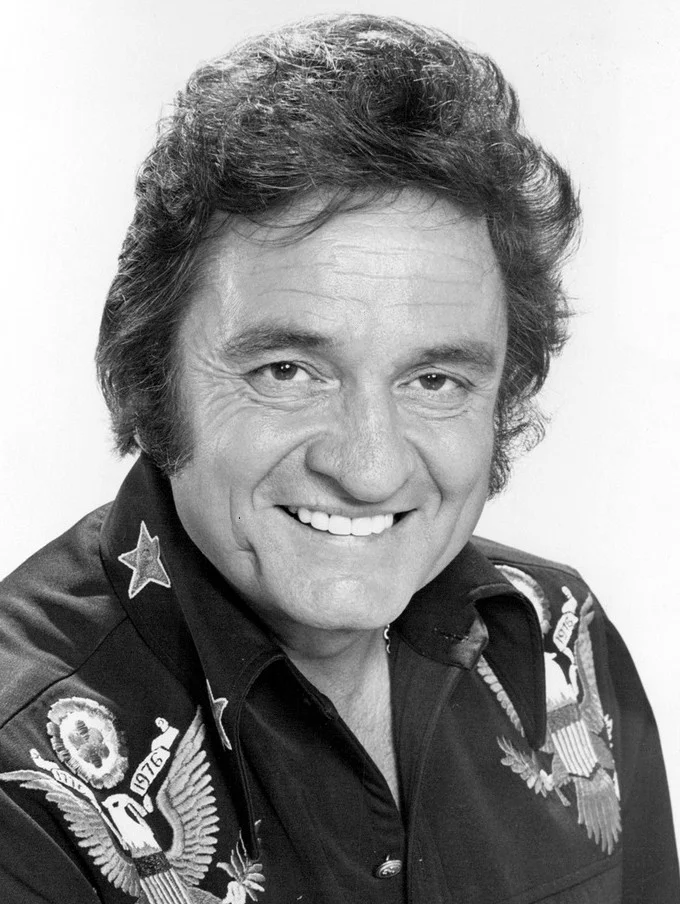
The final frame of a music video rarely lingers in the cultural memory for decades. But when Mark Romanek’s camera caught Johnny Cash turning off a single lamp in the cavernous gloom of his Tennessee mansion, the image became something more than television. It became a farewell. That flicker of darkness, closing over a weathered face and a lifetime of scars, remains one of the most devastating closing shots in musical history. And it all belongs to a song called “Hurt.”
For countless fans, the 2002 cover is not merely a song. It is a confession booth, a mirror, and a final act of grace wrapped into three and a half minutes. Cash, by then a frail figure battling illness and the weight of decades, took a wrenching industrial lament written by Trent Reznor of Nine Inch Nails and transformed it into a meditation on mortality. The result startled everyone, including the original composer. Reznor himself later admitted the song was no longer his.
What made the recording so piercing was not just the crack in Cash’s voice. It was the way those fragile tones carried the residue of a life spent at full blaze. Addiction, loss, stardom, loneliness, repentance. All of it surfaces in lines that suddenly sound less like youthful anger and more like elderly truth. Where Reznor’s version hissed with the disillusionment of a younger generation, Cash’s rendition whispered with the sorrow of someone who had already seen the end from a distance. Audiences around the world felt the difference immediately.
It is a portrayal of mortality, regret, and the passage of time that feels both haunting and profoundly human.
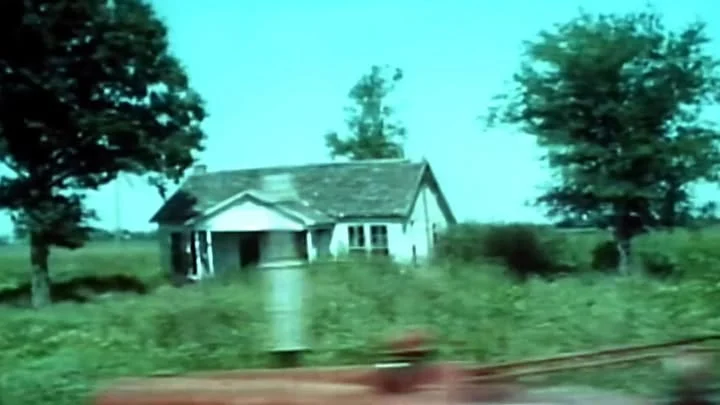
Romanek’s video drives that humanity home with brutal elegance. One moment the screen fills with archival footage of a young, black-clad rebel prowling stages and prison yards. The next, the camera drifts across dusty awards, empty halls, and a silent piano in the house in Hendersonville. Each shot pushes the viewer closer to the uncomfortable truth that lies behind every icon. The man who conquered country music, who stared down prisons and heartbreak, now sits alone in a dim room with nothing left to perform for.
That vulnerability is precisely why the song continues to resonate so widely. People from every generation hear their own regrets in the aching delivery. A teenager wrestling with anxiety hears a mirror. A grandparent facing final days hears a companion. The particularities of Cash’s biography fade into the universal ache of looking back at a winding road and wondering where the years went. The lyrics do not judge. They simply sit with the listener in the silence.
There is also a deeper lesson hidden in Cash’s choice to record this particular song. By reaching across genre boundaries and reinterpreting a track from the industrial rock world, the Man in Black proved that no song truly belongs to its author. Interpretation is its own form of creation. With every weathered note and pause, Cash poured his own history into the music. He did not cover “Hurt.” He inhabited it and reshaped it until the song carried an emotional weight no other version could match.
More than two decades later, the legacy remains unshaken. “Hurt” has become a cultural reference point, a staple of tribute performances, and a gateway into Cash’s late-career catalog. Yet its true power lives beyond the charts and streaming numbers. It lives in that quiet space where a listener confronts their own imperfections and somehow feels a little less alone. As long as people search for meaning in their own scars, Johnny Cash’s final masterpiece will keep burning in the dark. And every time that lamp goes out at the end of the video, hearts remember what it means to face the end with open eyes.