

Tonight you’re mine completely…
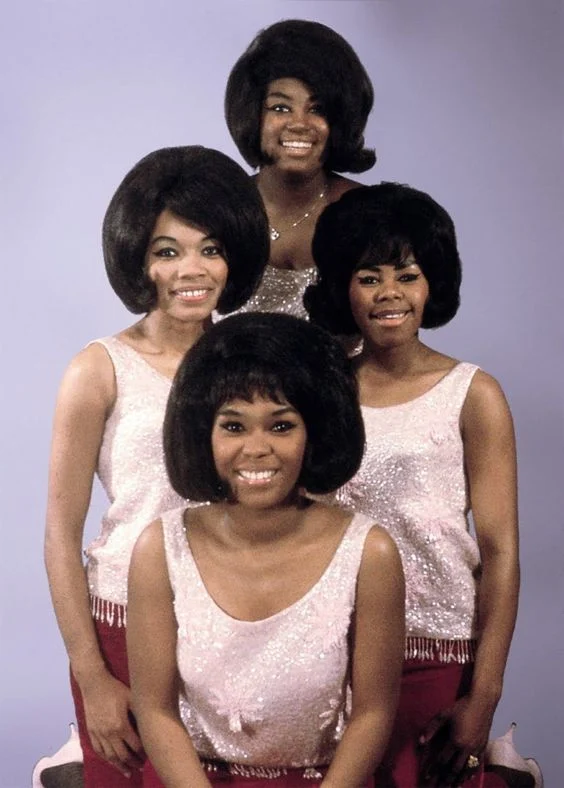
With those whispered words, a generation’s romantic anxiety found its voice. Long before texting changed the rules of courtship, The Shirelles captured the trembling question that still haunts lovers today. Released in 1960, “Will You Still Love Me Tomorrow” isn’t just a song — it’s a 2-minute and 41-second masterclass in vulnerability, wrapped in doo-wop harmonies and a melody that aches as much as it soothes.
The magic begins not with a drumbeat but with a soft, almost hesitant piano phrase. Then Shirley Owens steps in, her voice a perfect blend of sweetness and worry. She isn’t singing about a perfect romance; she’s singing about the morning after — when the glow fades and the doubts creep in. Written by the legendary husband-wife team Gerry Goffin and Carole King, this ballad flipped the script on pop’s usual sunny declarations of love. Instead of certainty, it offered honesty. Instead of joy, it offered a question that still lingers in the air long after the last note fades.
The Shirelles didn’t just perform this song — they lived it. As one of the first major girl groups to cross over to white audiences, they knew something about being uncertain of tomorrow. Their harmonies, floating behind Owens’ lead, sound like friends gathering around a phone call, sharing a collective sigh. It’s this communal ache that makes the track feel less like a performance and more like a confession overheard in a high school hallway.
Over six decades later, the song refuses to age. Its themes — the fear of being left, the hunger for reassurance, the fragile hope that love might last — are as current as any streaming hit. Psychologists have noted that the lyric “Will you still love me tomorrow?” taps into a primal human need for security. Goffin and King, barely out of their teens themselves when they wrote it, somehow turned that universal anxiety into a pop masterpiece.
The song also carved a permanent place in music history. Before The Shirelles, female vocal groups were often dismissed as novelty acts. But with this single — which hit No. 1 on the Billboard Hot 100 in 1961 — they proved that women could front songs of depth, complexity, and raw emotional power. The door they opened would soon welcome The Ronettes, The Supremes, and every girl group that followed.
Yet what remains most striking about “Will You Still Love Me Tomorrow” is its restraint. There are no explosive choruses, no dramatic key changes. Just a simple, devastating question repeated until it becomes a prayer. Owens delivers the final line with such fragile hope that you almost believe the answer will be yes. And in that suspended moment, the song offers the only certainty love ever gives — the chance to ask again.
As long as people fall in love, worry about losing it, and hope against hope that tomorrow will be kind, The Shirelles will be there, vinyl spinning, voices rising, asking the question we all need to ask. That’s why this isn’t just a classic. It’s a lifeline.