
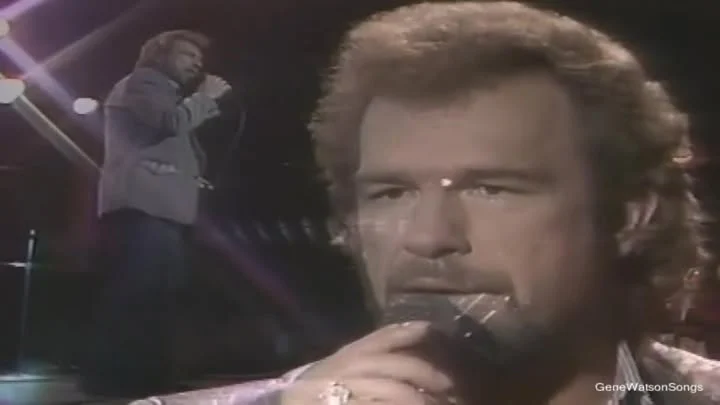
There is a moment in a Gene Watson song where time seems to stop, leaving you suspended in a world of velvet-voiced sincerity and steel guitar tears. That moment arrives with devastating clarity in his 1984 ballad, “You Took Her Off My Hands.” It is a song that doesn’t just tell you about heartbreak; it hands you the weight of it, letting you feel the odd, reluctant gratitude that comes when another soul absorbs the burden of a love you could no longer carry.
This track, a cornerstone from the album Heartaches and Love and Stuff, serves as a masterclass in emotional storytelling—a hallmark of the golden era of country music. Watson, with a voice that sounds like aged whiskey and Sunday morning solace, weaves a narrative so universal it becomes personal to everyone who listens. To hear it is to relive a memory you weren’t sure you still had.
“The protagonist acknowledges that someone else has stepped in to carry the emotional weight of a failed relationship. Yet, the song is more than a lament; it is a reflection on the complexities of love and loss, where pride, pain, and a tinge of gratitude coexist.”
The true genius of “You Took Her Off My Hands” lies in its sonic architecture. The arrangement is a delicate tapestry, woven with the humblest tools of country music to create something profoundly rich. The acoustic guitar provides a steady, rhythmic heartbeat, grounding the track in intimacy. Then, the piano enters, offering soft, resonant chords that linger like a sigh in the air. But it is the steel guitar that sings the unspeakable, its haunting slides and bends echoing the sorrow and the strange relief of romantic resignation. Watson’s vocal performance carries the melody, striking a perfect balance between vulnerability and the stoic strength of someone who has learned to let go.
While the single stands as a monument, it is deeply rooted in the landscape of its parent album. Heartaches and Love and Stuff is a cohesive journey through the emotional spectrum, a testament to traditional honky-tonk flair. Tracks like “Got No Reason Now for Goin’ Home” share a similar bittersweet dichotomy, exploring life’s highs and lows with a poetic touch. The album is a love letter to classic country, a world where Watson’s voice serves as a guiding light through stories of resilience and melancholy. For fans of the genre, it is an essential exploration of the sound that defined a generation.
The song’s resonance is timeless because its theme is eternal. Letting go, whether of a person or a piece of your history, is a universal experience. To elevate your playlist with similar sonic textures and emotional landscapes, consider these tracks that share the same soulful depth:
- Merle Haggard – “If We Make It Through December”: A poignant reflection on hardship and hope, wrapped in classic instrumentation.
- George Jones – “He Stopped Loving Her Today”: The gold standard of narrative balladry, delivering emotional devastation with masterful restraint.
- Conway Twitty – “Hello Darlin’”: Velvet vocals and a storyteller’s touch make this a perfect companion to Watson’s warmth.
- Don Williams – “I Believe in You”: Understated, sincere, and gentle, this track mirrors the acoustic intimacy of Watson’s work.
- Johnny Cash – “Sunday Morning Coming Down”: A reflective, introspective piece that navigates loneliness with stark, beautiful honesty.
In the end, “You Took Her Off My Hands” is more than a song—it is a feeling. It reinforces the reason we return to classic country music: to find meaning in simplicity, comfort in sorrow, and a voice for the stories we carry. Let the steel guitar weep, let the piano soothe, and let Gene Watson remind you that even in letting go, there is a strange, beautiful grace.