
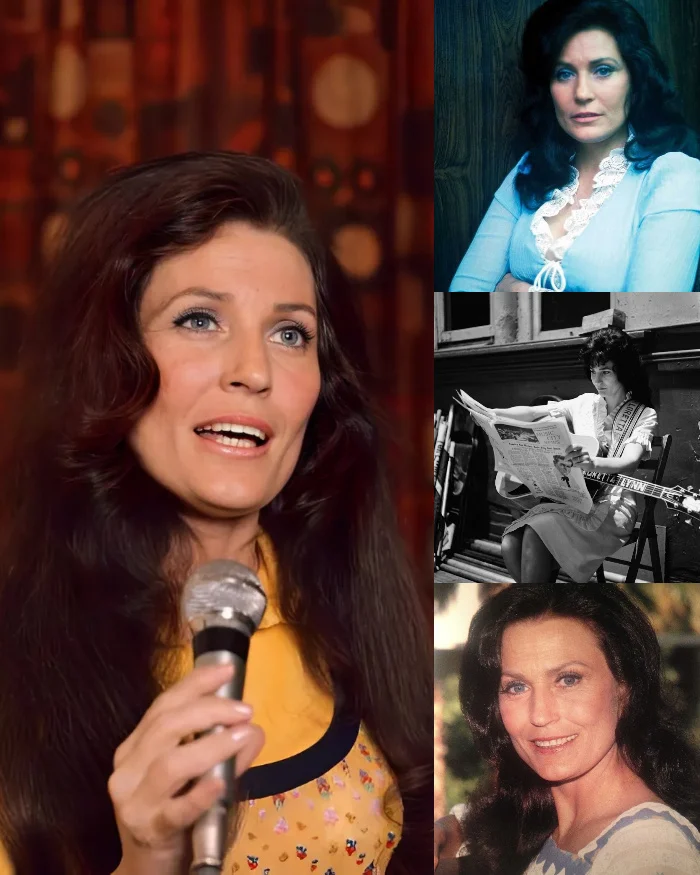
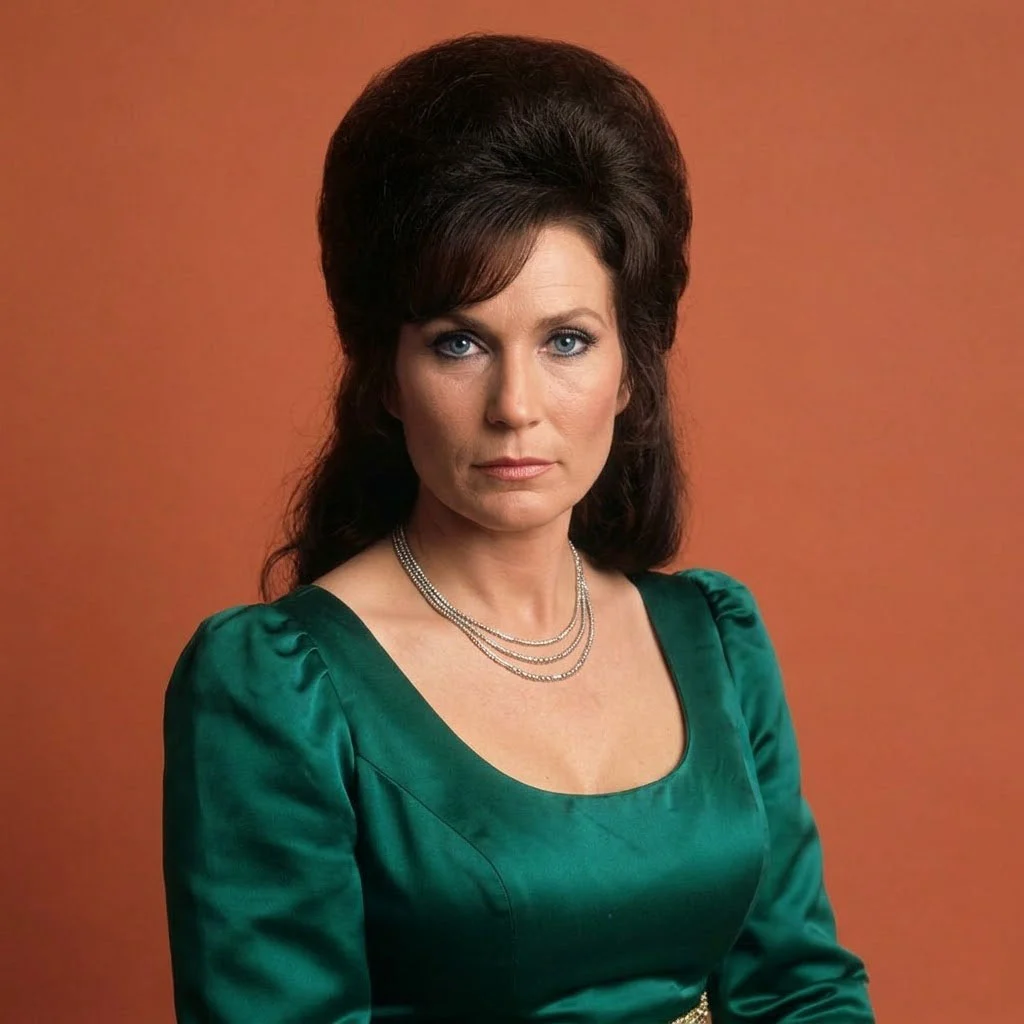
The most dangerous sound in Nashville in 1968 was not a shout. It was Loretta Lynn calmly telling another woman to keep her distance.
In the spring of that year, she released a record called ‘Fist City.’ It was no gentle plea and no tearful ballad about a good woman left behind to cry. It was a verbal standoff, sung with a steady voice and an unblinking eye.
Keep your distance or face the consequences.
That direct warning aimed squarely at the woman trying to take her man landed like thunder in a town built on southern charm and polished manners.
A Town Of Gentle Rules
Nashville executives knew exactly what they wanted from female stars. Women were expected to be polite, polished, and quietly enduring. If they sang about heartbreak, they were supposed to accept their tragic fate with grace. The industry wanted soft smiles and forgiving hearts, neatly packaged in glittering gowns.
Loretta was cut from a different cloth. She came from coal dust, rusted tin roofs, and worn-out kitchen tables. She carried the heavy truth of bills that could not wait and emotions too sharp to swallow with sweet tea. Behind the upbeat tempo of her music stood a working-class woman who had lived every bruised feeling she sang about.
To her, jealousy was not a shameful secret to hide from the neighbors. Anger was not a sign of weakness. Emotional survival required drawing a firm line in the dirt.
The Quiet Rebellion
When the track hit the airwaves, the powerful gatekeepers of Music Row held their breath. Some radio programmers hesitated to play it, and critics hotly debated its blunt nature. Conservative listeners shifted uncomfortably in their velvet seats, unsure how to process a woman fighting back so fiercely.
But Loretta never rushed to soften the sharp edges of her lyrics. She let the song stand exactly as it was. Firm. Funny. Unflinching.
Musically, it was a brilliant masterpiece of disguise. Crying steel guitars and familiar honky-tonk rhythms gave listeners a comforting, traditional blanket. That familiar sound felt safe enough to let her radical words slip past the heavy wooden doors of the establishment. She wrapped a fierce warning in a melody they could not help but tap their boots to.
Behind closed doors, the record changed the temperature of rooms. Some men grew quiet when the chorus hit. But across rural America, in steamy kitchens and dusty pickup trucks, women turned the volume dial a little higher.
They did not hear violence. They heard permission.
She proved that a woman could stand her ground without becoming cruel. She showed them that being assertive did not make a woman unlovable or unwanted.
She expected respect. And she took it.
An Echo In The Dirt
Looking back, that bold release was never just about a single album climbing the country charts. It was a defining mark in musical history. Loretta Lynn did not ask the rigid establishment if they were ready for the unvarnished truth. She simply told her story, laid down the law, and let the chips fall wherever they may.
No manifestos were written. No grand political speeches were given beneath the bright stage lights. The revolution arrived as a three-minute warning on vinyl.
She refused to whisper, leaving behind a profound legacy for generations of women who now sing loudly through the doors she kicked open.