
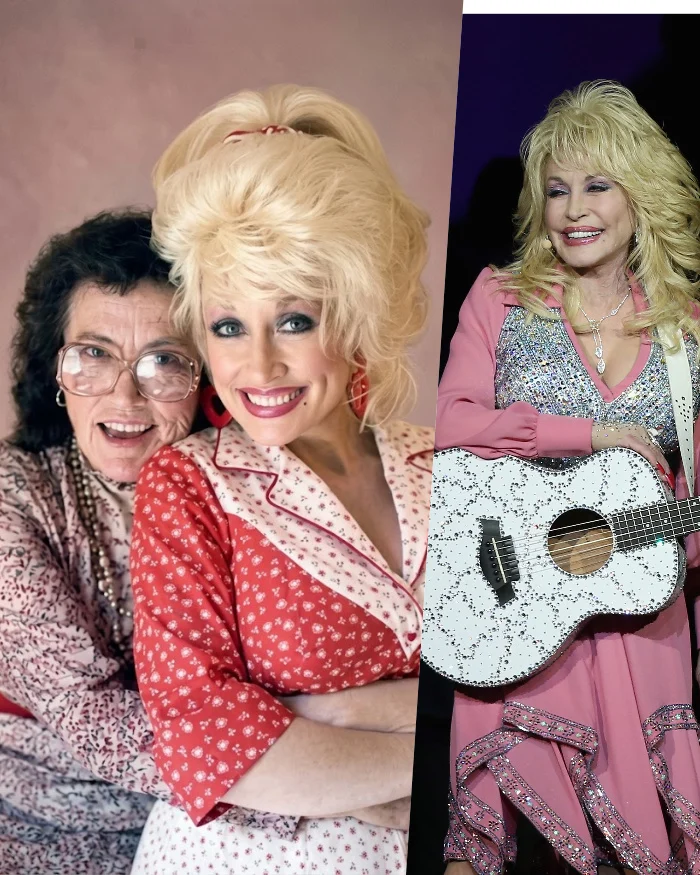
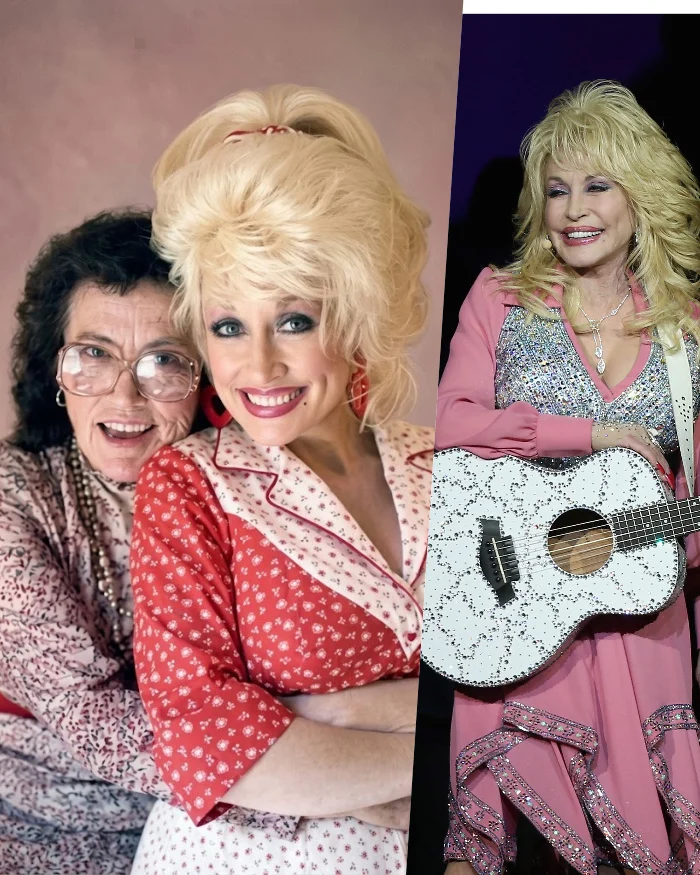
Her song about rags made her a star, but when Dolly Parton bought her mother a mink coat, a hard Appalachian truth surfaced.
When Coat of Many Colors climbed the country charts in 1971, Dolly Parton used her first major songwriting royalties to buy her mother a full length mink coat. In the autumn of 1971, Dolly Parton watched her landmark single, Coat of Many Colors, ascend the national country music charts. The autobiographical song had turned a painful childhood memory of patched scraps into an enduring musical standard. With the arrival of her first substantial royalty checks from the release, the twenty five year old songwriter decided to settle an old emotional debt.
To a young woman raised in the Great Smoky Mountains, rich brown fur represented the highest comfort the world could offer. To a young woman raised in the harsh winters of Sevier County, Tennessee, a full length mink coat represented the ultimate symbol of warmth and worldly security. She arranged to purchase the garment and had the large parcel delivered straight to the small and uninsulated family cabin at Locust Ridge.
Avie Lee Parton had spent decades cutting firewood, scrubbing laundry in cold creek water, and stitching together scraps of cloth to keep twelve children warm. When the package arrived at the drafty cabin in Locust Ridge, the heavy coat hung beside worn work jackets, completely out of place against walls stained with soot. Avie Lee Parton opened the box inside the very room where she had once stitched irregular scraps by the glow of a kerosene lamp. For a woman whose hands bore the permanent scars of scrubbing washboards and carrying firewood for twelve children, the plush brown fur felt almost unreal. She hung the coat on a nail next to patched flannel shirts and soot stained work jackets, where its luxurious sheen stood in stark contrast to the weathered timber walls.
Avie Lee ran her rough and cracked hands over the soft fur in quiet disbelief. She loved the gift, but she never wore it out into the mountain winter. Avie Lee cherished the gesture, yet she never wore the garment beyond her front door. She looked across the kitchen and around a room where younger children still needed sturdy winter shoes and still lacked sturdy snow boots and a pantry that routinely ran short of staple dry goods and ran thin on basic groceries.
The mother made a familiar choice. Within weeks, the mountain mother quietly found an acquaintance with enough means to purchase the luxury piece. She quietly sold the mink coat to someone who could afford the luxury, took the cash in hand, and immediately turned the proceeds back into practical necessities, taking the cash back home to buy flour, cornmeal, winter footwear and winter clothing, heavy fabrics, and essentials for the household.
When Dolly found out, she did not feel hurt. When Dolly eventually learned that the coat was gone, she felt neither anger nor disappointment. Instead, she wept with a deeper understanding of who her mother was and of the values that had raised her. Avie Lee simply could not wrap herself in luxury and could not justify wrapping herself in personal luxury while her children were still walking through the cold and while any of her children still faced the biting mountain draft.
In Locust Ridge, the devotion of a mother could never be bought or dressed up. It could only be measured by the sacrifices made to keep the home whole.
During their quiet conversation afterward, Avie Lee gently explained to her daughter that true comfort on the mountain was never measured in fur, but in making sure everyone around the table had what they needed. Dolly listened closely, realizing that honoring her mother meant meeting the actual daily realities of the family rather than chasing symbols of glamour.
Taking that lesson to heart, Dolly returned to her mother with a practical gift Avie Lee gladly accepted and kept for decades, a modern washer and dryer, alongside a reliable stove and a regular supply of everyday household necessities. Those appliances directly relieved the physical grind that had worn Avie Lee down for forty years, giving her back her time and her health.
The coat disappeared, yet the instinct behind it remained unbroken. The private conversation between mother and daughter after the coat was sold, and the way Dolly finally found a gift her mother would actually keep, belongs to the quiet history of that mountain family. The story of the mink coat became a permanent touchstone in the Parton family history. It revealed the unbroken maternal instinct that had inspired the early songwriting of Dolly in the first place.
The original rags from 1955 had long deteriorated, and the glamorous fur coat quickly vanished into town, but the core lesson remained unchanged. In Locust Ridge, the devotion of a mother could never be bought or dressed up. It could only be measured by the sacrifices made to keep the home whole.