
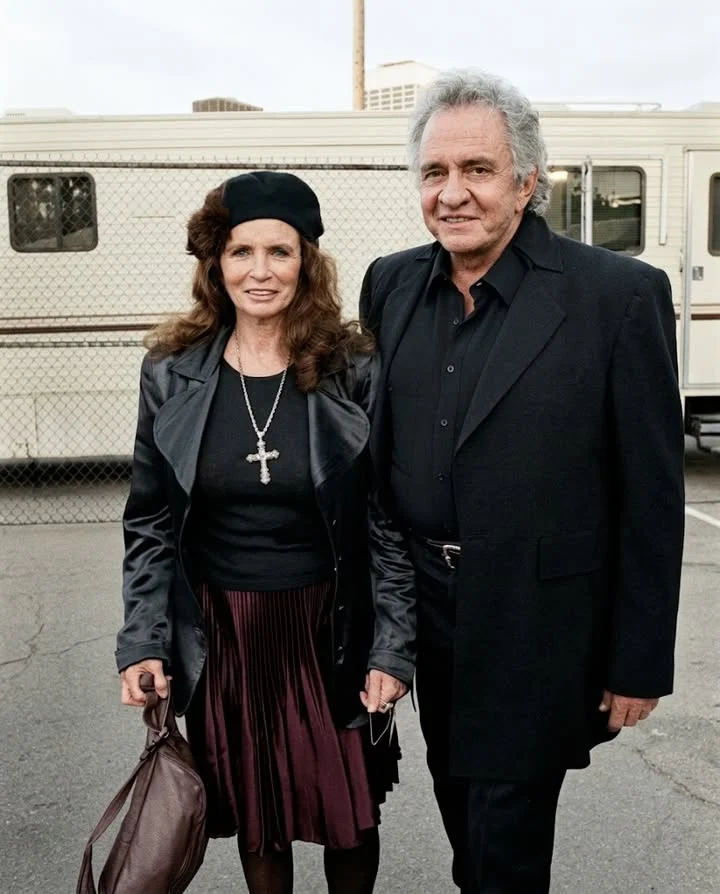
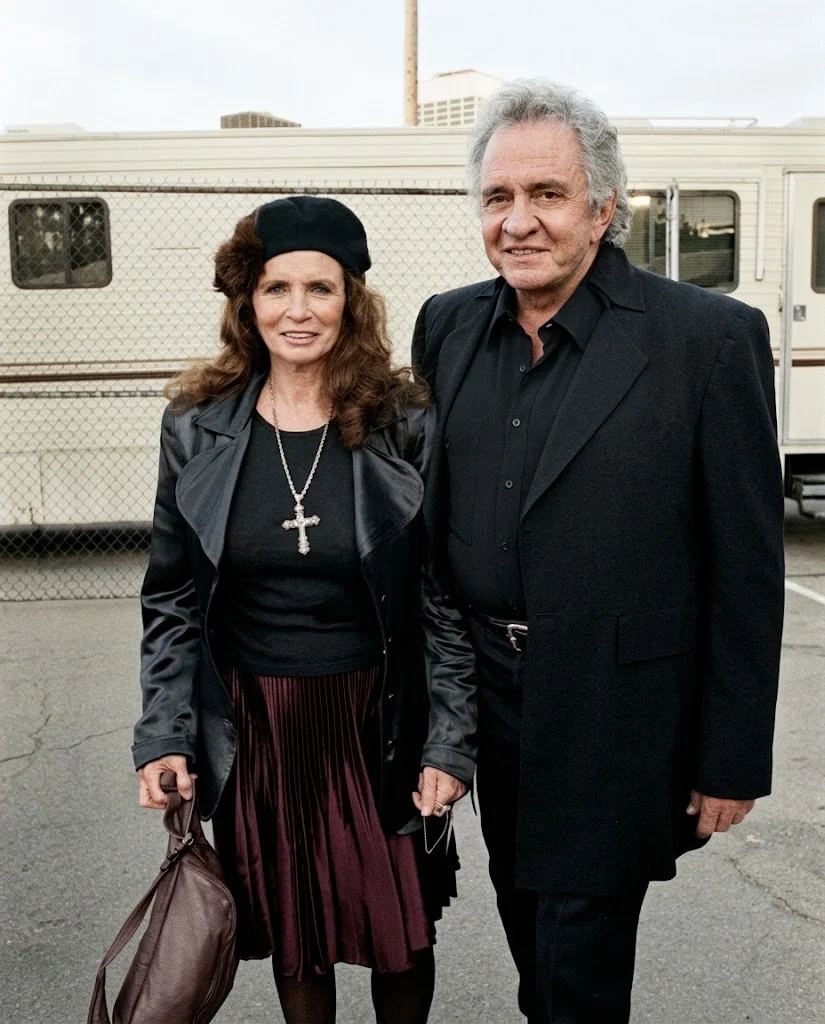
In 1968 Johnny Cash stopped a show at London Gardens in Ontario and proposed to June Carter on stage. To the audience it looked like a fairy tale. To June it was the hard won end of years spent watching a man she loved disappear into pills, applause, and self-destruction.
The song at the center of their legend was not a simple love song. June Carter wrote the biggest hit of Cash’s career while standing in the wings, terrified that she was watching him die. She had been raised in a strict Christian family. He was married to his first wife and had four daughters at home. Public judgment and moral boundaries kept them apart, but Cash’s addiction to amphetamines and barbiturates was already pulling him under.
Night after night June saw the damage up close. She watched the severe weight loss. She saw missed vocal cues and erratic behavior that alienated people across the country music industry. She felt helplessly drawn to a man who was actively destroying himself. That dread became writing, a confession about love as a burning and inescapable force.
Love is a burning thing and it makes a fiery ring
June first gave the words to her sister Anita Carter, who recorded the track as an acoustic folk ballad in 1962. When that version failed to chart, Cash felt a strange connection to the lyric. He later said he dreamed of hearing the song backed by Mexican Mariachi horns. In 1963 he took that idea into the studio and changed the arrangement with trumpeters Karl Garvin and Bill McElhiney. Her quiet fear became a monumental country standard.
Radio audiences heard something else entirely. They embraced a vibrant, upbeat anthem about falling in love. The bright brass masked the terrifying origin of the words. For June, the song still described the hell of standing in the wings while the man she loved slipped away.
She did not walk away to protect her reputation or her peace of mind. She stepped closer to the fire. When Cash reached his lowest point in the late 1960s, June and her parents Maybelle and Ezra Carter made a drastic decision. They physically moved into Cash’s Hendersonville home to pull him through his most dangerous detox. The family stood guard over him. They confiscated his pills, monitored his movements, and endured his agonizing withdrawals. They fought around the clock to keep him alive when few others in Nashville were left in his corner.
That brutal intervention became the turning point. The man who emerged from detox was finally clear headed enough to offer June the stability she had always needed. The onstage proposal in 1968 marked the beginning of a steadfast 35-year marriage. Today the record remains a pillar of American music history. But for the people who lived it, the upbeat rhythm was never the real story. The song documented the exact cost of saving a life.