
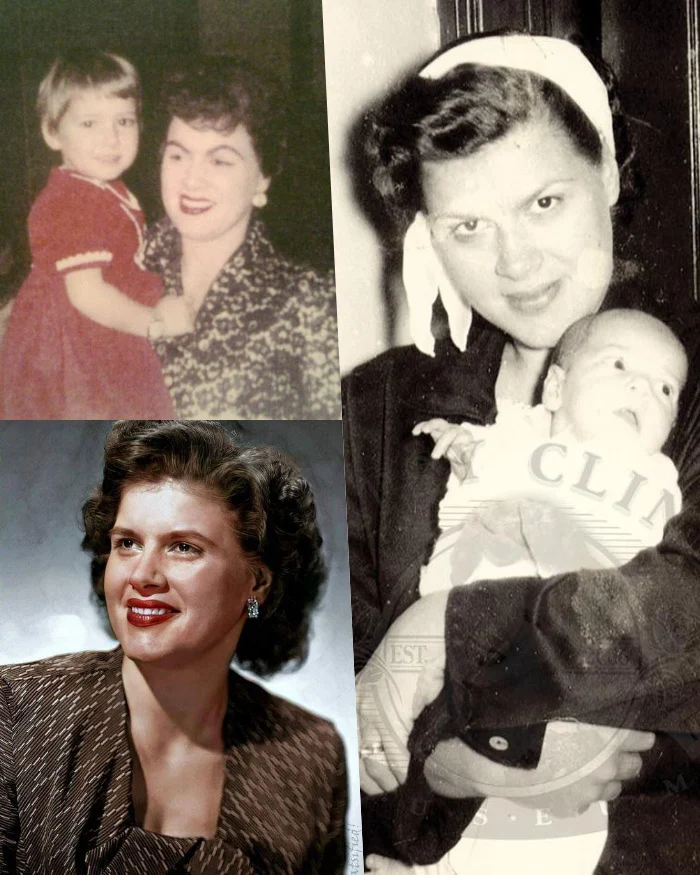
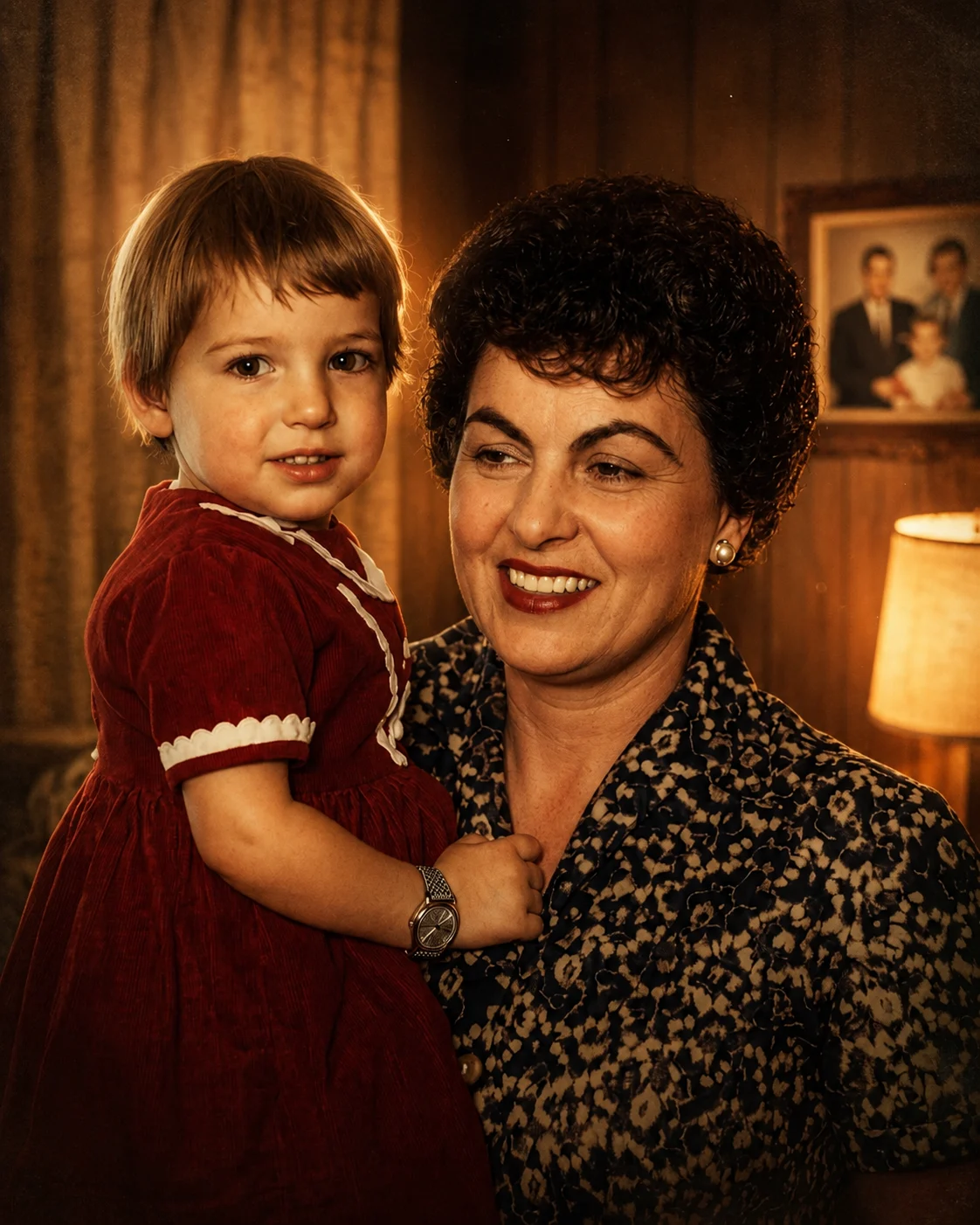
Inside a quiet Nashville home, a four-year-old girl was learning that her mother would never walk through the door again.
Across the country, the same day carried a different kind of grief. On March 5, 1963, a devastating plane crash took Patsy Cline, the reigning queen of country music, at the height of her career.
For millions of fans, the tragedy closed a brilliant chapter. Radio broadcasts carried the breaking news, and crowds mourned the legendary voice that had guided them through midnight heartbreak. Then the broadcasts ended. The public returned to daily life.
For Julie, the loss was not an era ending. It was the disappearance of the person who made home feel safe. She was four. Her little brother Randy was two.
The world kept the music. A daughter kept the woman who made it.
A crown heavy with glamour
Patsy stood at the peak of her career when the plane went down. She was building a legacy that would outlive generations of singers. She dominated country and pop charts, wore glittering costumes, and commanded sold out stages across the nation.
To the public she was an untouchable icon of heartbreak, a powerful voice that spoke for the lonely. Beneath the velvet curtains and blinding spotlights, she was also a tired woman trying to hold a home together. The road kept calling her name and demanding her voice, her time, and her energy night after night.
Even while building a historic musical empire, she came home to rock her babies to sleep.
She was a mother first.
The weight of fragments
When a child loses a parent that early, memory does not arrive in neat chapters. It comes in sudden quiet fragments. A fleeting scent in a dim hallway. A tired but warm laugh from the kitchen. A blurry memory of a soft face leaning close after a long exhausting tour.
Julie did not get to keep a lifetime of motherly advice or long lazy afternoon conversations on the front porch. She got fading echoes.
For decades, strangers walked into diners, pressed play on dusty jukeboxes, and felt that Patsy Cline belonged entirely to them. Julie grew up carrying a heavier invisible burden. She had to protect the fragile human being behind that massive echoing voice.
For millions of devoted fans, Patsy is a flawless icon frozen in time. For Julie Fudge, Patsy was the woman whose physical presence once filled a home, the woman who should have had decades more with her growing children.
The voice belonged to the world. The mother belonged to Julie.
A daughter’s devotion
Over time, legends can become distant. Their names grow larger while their humanity shrinks into myth. Julie dedicated her life to pushing against that truth.
She built an entire museum in Nashville, but it exists for a reason deeper than nostalgia. It was not built just to display glittering stage dresses or framed gold records on a wall. It was built to prove that the woman who wore those clothes was real.
She struggled with the brutal demands of the road. She was frequently exhausted. She was always a mother first.
Julie Fudge chose to protect the true story and keep Patsy present in a way that feels intimate rather than frozen on a pedestal.
The world got to keep the beautiful music, but a devoted daughter made sure we never forgot the tired woman who left it all behind.