
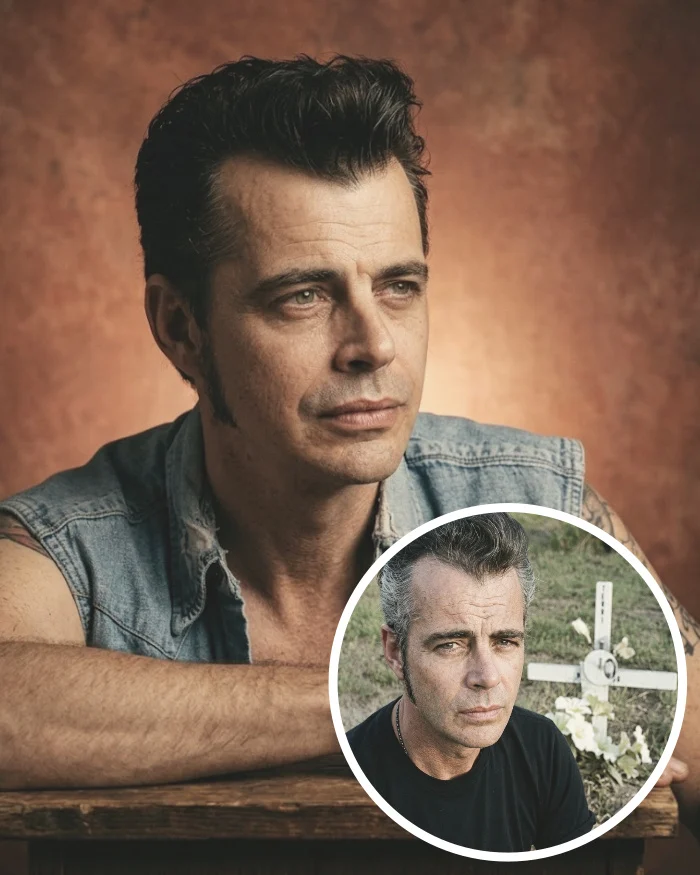
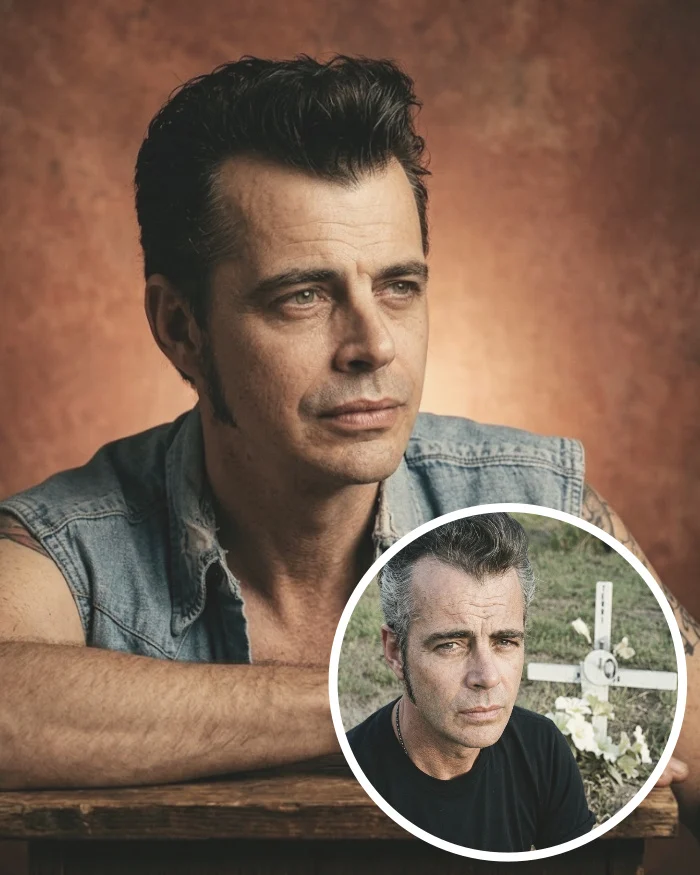
Christmas Eve of 2000 found Dale Watson alone in a Rome hotel room, certain that one unresolved argument had ruined the only love he had left. The Texas country singer had been saved by hotel staff only moments after trying to take his own life. That night did not end his pain. It forced him to face a question that would shape every song he wrote next. How does a man apologize when the person he wronged is gone?
Months earlier, on September 15, 2000, Watson’s fiancée Terri Beaumont was killed in a sudden car crash. The loss alone was shattering. What cut deeper was the silence that followed their last conversation. The couple had argued just before the accident. Her death left the disagreement unresolved and froze his final memory of the woman who had brought hope into his life in a moment of conflict.
Unable to say he was sorry, Watson fell into a crushing guilt. The traditional country artist who had spent years filling Texas dancehalls with honky tonk withdrew from the stage. He turned to heavy drinking and substance abuse. His guitar went quiet. His world narrowed to regret.
By the time Christmas Eve of 2000 arrived, Watson was in Rome, Italy, alone in a hotel room and overwhelmed by an apology he could no longer deliver. He attempted to take his own life. Hotel staff found him in time and saved him.
Surviving that night gave Watson an agonizing task. He had to learn how to live beside his regret without letting it destroy him. Since he could not speak to Beaumont directly, he returned to Texas and went back to the one medium that could carry his voice.
Watson gathered his backing musicians and booked time at Arlyn Studios in Austin. He brought fourteen new songs he never wanted to write. The result was Every Song I Write Is for You, released in 2001 on Audium Records. The fourteen track album stripped away the bravado of a Texas barroom performer. It was not built for commercial country radio. It was not made to entertain. It was a desperate record of a man processing an impossible reality.
In the recording booth, Watson sang with unvarnished honesty. He used the microphone to speak to the woman who was no longer there to listen. Every note was dedicated to Beaumont’s memory. Songs such as These Things We’ll Never Do, Angel In My Dreams, and I See Your Face In Every Face I See offered an unflinching look at his mourning. The album became a public apology for the words he never got to say.
The apology he could no longer deliver became the song he could not stop singing.
Finishing the sessions did not cure his trauma. When the album reached the public, Watson had to return to the stage. Performing such personal tribute material under the glaring lights of a nightclub proved emotionally devastating.
The unresolved grief wore down his endurance and pushed him toward a severe breakdown. Recognizing that he was losing his grip, Watson voluntarily checked himself into the Austin State Hospital. Inside the facility, he stepped away from the music industry to focus on survival. He spent essential time confronting the trauma that had almost cost him his life in Rome. He even allowed filmmakers to document his brutal and chaotic recovery in the 2006 docudrama Crazy Again. He refused to hide the dark reality of what the loss had cost him.
Watson survived the crisis by relying on the same direct honesty he poured into his songwriting. Slowly, he stabilized and rebuilt his mental health. When he returned to his heavy touring schedule, his live shows had changed. He went back to commanding crowded venues and delivering the classic Texas country music his fans expected. But the man holding the guitar was permanently changed.
The silence that followed the tragic accident in 2000 could have become permanent. Instead, Watson refused to let regret win. Long after he left Arlyn Studios, the fourteen songs remained. The apology he never got to deliver in person would echo in every dancehall he played.