
The saddest memories do not always arrive dressed in black. Sometimes they come in the shape of something absurd sitting on a table, daring you to laugh before it breaks your heart, and somewhere in the quiet after that line loneliness pours one more drink and tries to make a joke out of missing someone.
Yabba Dabba Doo, the King is gone and so are you.
The King Is Gone is one of those George Jones songs that should not work as deeply as it does. On the surface it has a strange little grin. A man alone. A bottle shaped like Elvis. A room too quiet. A heartbreak that has already moved in and made itself comfortable. It is clever and almost playful, the kind of country idea that makes you smile before you realize the smile is standing right beside a wound.
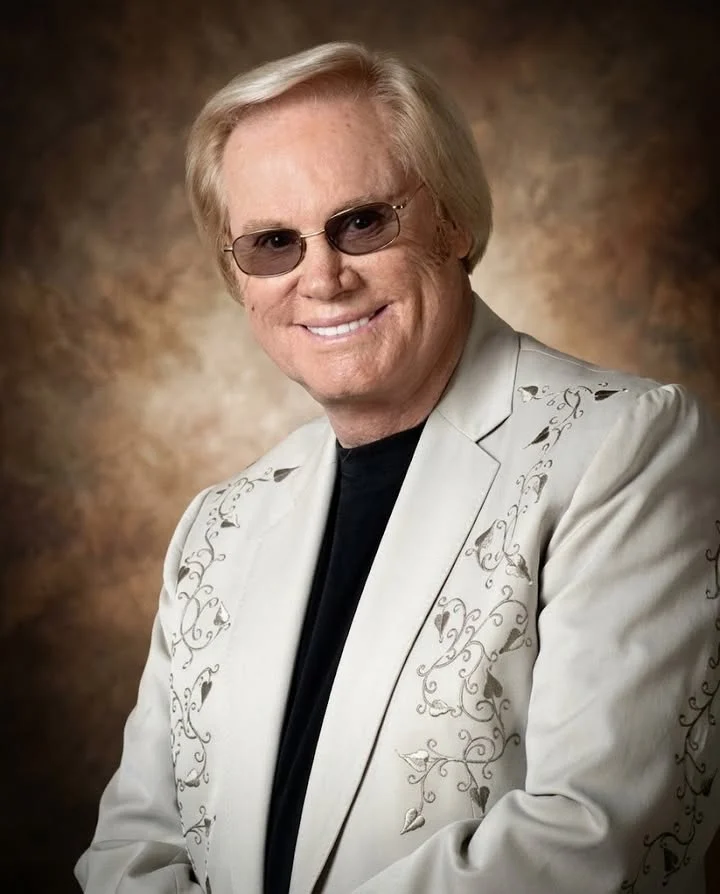
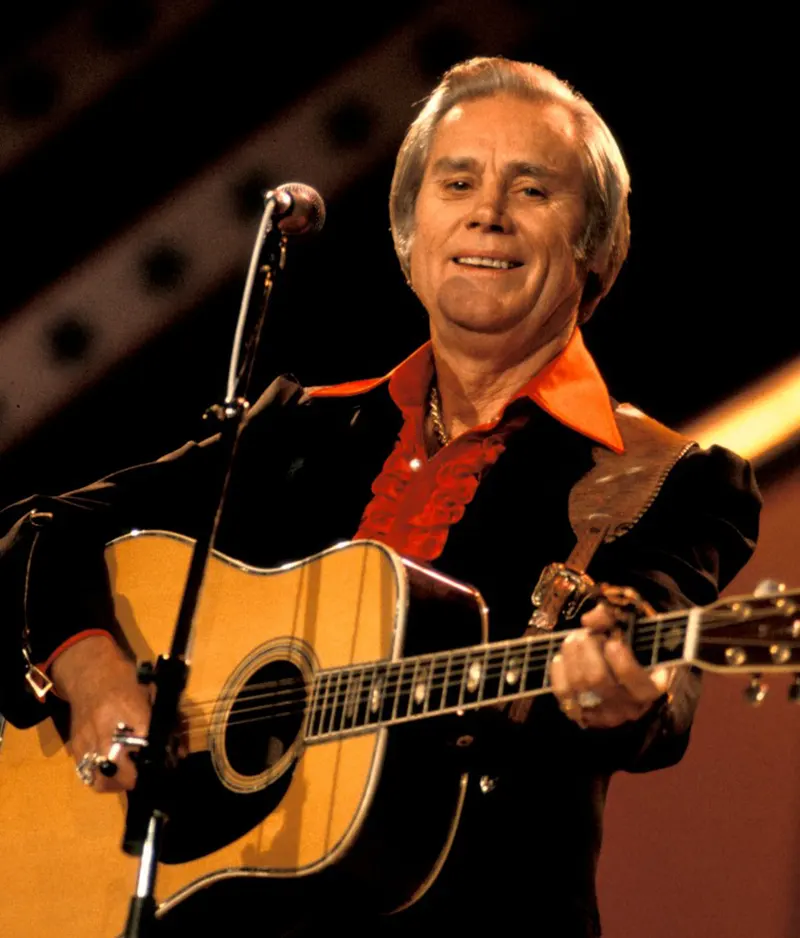
That was the genius of George Jones. He could take something that looked like a novelty and turn it into a human confession. In the hands of another singer The King Is Gone might have been remembered only for its hook and its humor and its odd little image of a man drinking from a reminder of Elvis Presley. But George did not sing it like a joke. Not really. He sang it like a lonely man trying to laugh because the silence would be worse.
That is the ache inside the song. The title points to Elvis, the King who had already become more than a singer and more than a star and almost a ghost in American memory. But then the song twists the knife. The King is gone and so are you. Suddenly the room changes. It is no longer just about a bottle on a table. It is about absence. It is about the strange things people hold onto when the person they really want is no longer there, a record or a photograph or a glass or a souvenir or a voice coming from a speaker that cannot answer back.
The lyric scene makes that loneliness painfully concrete. Last night he broke the seal on a Jim Beam decanter that looks like Elvis and soaked the label off a Flintstone jelly bean jar and cleared a place on the little table she left behind. He pulled the head off Elvis and filled Fred up to his pelvis and around ten they all got to talking about Graceland and Bedrock and women. Later it finally hit him that she would not be coming home anymore and that this time she would not forgive him like all the other times before. Then he broke the nose of Elvis pouring the last drop from his toes.
George Jones understood that kind of loneliness better than almost anyone in country music. His voice had a way of sounding like it had been awake long after the rest of the house went dark. He could bend a line until it carried regret and humor and shame and tenderness and defeat all at once.
That is why The King Is Gone lingers. Because behind the cleverness is a scene almost anyone can recognize. A man sitting alone after midnight. The television off. The ashtray full. The bottle lower than it should be. Maybe an old Elvis record somewhere nearby, or maybe just the memory of a voice that once made the whole world feel bigger than the room. And there he is, talking to what is left, not because it can help him but because loneliness makes people do that. It makes them speak to empty chairs. It makes them keep old shirts. It makes them hear one song and suddenly find themselves back in a year they thought they had escaped. It makes a grown man turn a bottle into company, just so the room does not feel completely abandoned.
George Jones could sing that without judging it. That was his mercy. He did not make the broken man ridiculous. He made him familiar. He let the listener hear the sad comedy of being human and how people try to survive heartbreak with whatever they can reach for, a drink or a memory or a joke or a song or a name they should stop saying but cannot.
The public image of George Jones was often that of the ultimate heartbreak singer, the man country fans trusted with their worst nights. But The King Is Gone reveals something even more specific. He knew heartbreak was not always graceful. Sometimes it was messy. Sometimes it was strange. Sometimes it sat in a kitchen with a ridiculous bottle and a memory too heavy to put down.
That is where the song cuts deepest. The choking moment does not come from a grand cry or a dramatic goodbye. It comes from realizing that the humor is the mask. The man is not laughing because he is free. He is laughing because the person he loved is gone and Elvis is gone and the night is long and all he has left is the sound of his own voice trying to make the emptiness bearable. That is country music at its most honest, not polished sorrow and not heroic grief, just a lonely room and a clever line and a truth so plain it hurts.
For many listeners The King Is Gone brings back more than Elvis. It brings back the people who disappeared from their own lives, the ones who left after a fight and the ones who passed away and the ones who became a song or a smell or a box in the closet or a place you avoid driving past. George Jones gave that feeling a crooked little smile and somehow that made it hurt more.