
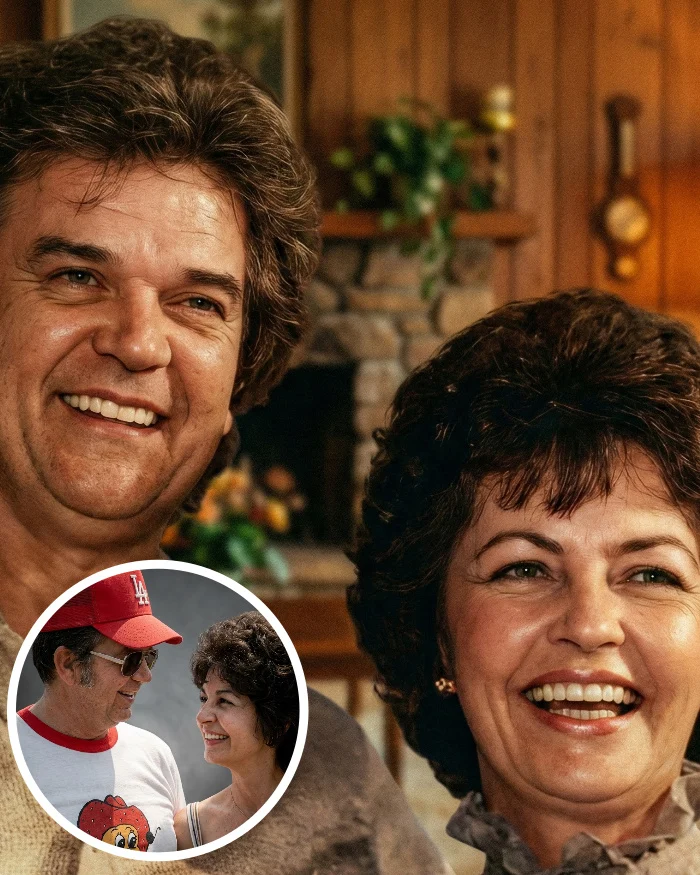
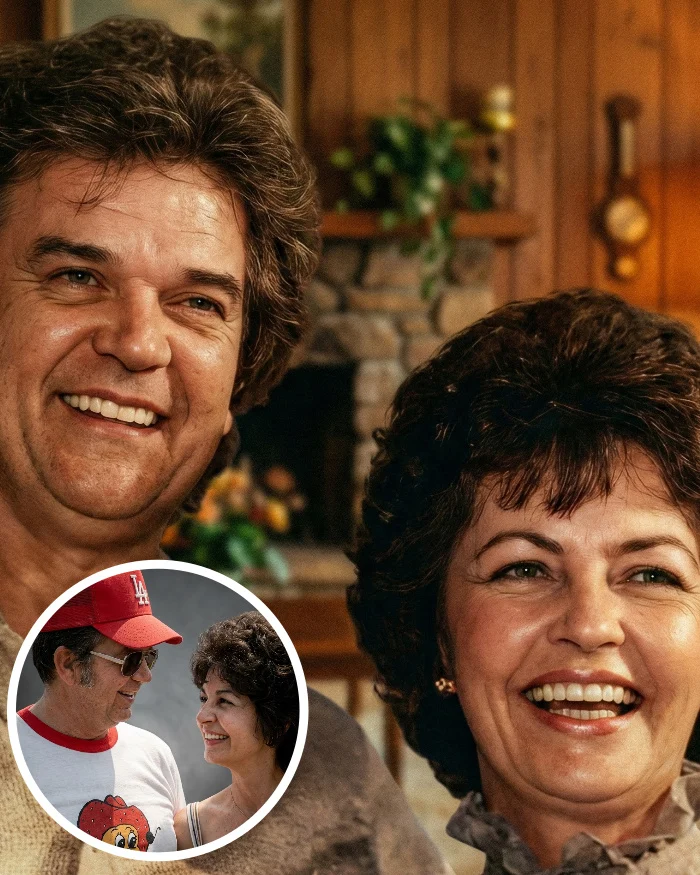
In a cramped Memphis apartment, a young wife stretched a few dollars into a week of meals while her husband chased a sound no one wanted to hear. That wife was Mickey Jenkins. The husband was Harold Jenkins, a military veteran she had married in the mid-1950s, a man with a guitar and a stack of songs that Sun Records had recorded and then quietly shelved. Before the world ever heard the name Conway Twitty, Mickey heard only the scrape of a pen on grocery lists and the steady hum of a dream that refused to die.
By 1956, Harold had returned home with a guitar and a handful of unrecorded ideas. Fresh out of the service, he arrived in Memphis with little more than that guitar and a fierce need to make music pay. Sun Records, the same label that had launched Elvis Presley, Johnny Cash, and Jerry Lee Lewis, signed him and put him in front of a microphone. The sessions produced tapes. The tapes produced silence. Month after month, those early rockabilly recordings sat unreleased on a shelf in Sam Phillips’ studio while radio programmers looked the other way.
The mid-fifties brought quiet desperation. Harold had zero name recognition, no airplay, and almost no income from his contract. Mickey ran their modest household on next to nothing. She shielded his ambition from the heavy weight of financial doubt and gave him a steady foundation while he worked relentlessly to refine his vocals and stage presence.
She believed first when there was nothing to believe in but a guitar and a stack of unreleased tapes.
Session after session tested his patience. When Sun Records failed to release his tracks, Harold made a pivotal choice. He moved on and eventually landed at MGM Records. During that transitional period, he picked a new stage name, Conway Twitty, borrowed from two small towns on a map, Conway, Arkansas, and Twitty, Texas.
Then came 1958. It’s Only Make Believe exploded onto the charts and sold millions of copies worldwide. The unknown Harold Jenkins became Conway Twitty almost overnight. Yet the foundation for that sudden stardom had been poured during a two-year stretch of uncredited discipline and quiet sacrifice. Sam Phillips initially held back those early Sun recordings, later releasing some material after Harold achieved fame. Those early Memphis sessions had still done their work. They sharpened his distinct vocal delivery and helped him move from early rock-and-roll urgency to the deeply expressive country balladry that would define his decades-long career.
The world eventually celebrated a country legend whose signature baritone filled arenas and dominated the airwaves for more than thirty years. He sold tens of millions of records and scored fifty-five Number One hits. Yet the true origin of that legacy was forged in a small, quiet space where there were no crowds, no applause, and no guarantees. There was just a young artist and the wife who believed in him first.